All-Female Species, College
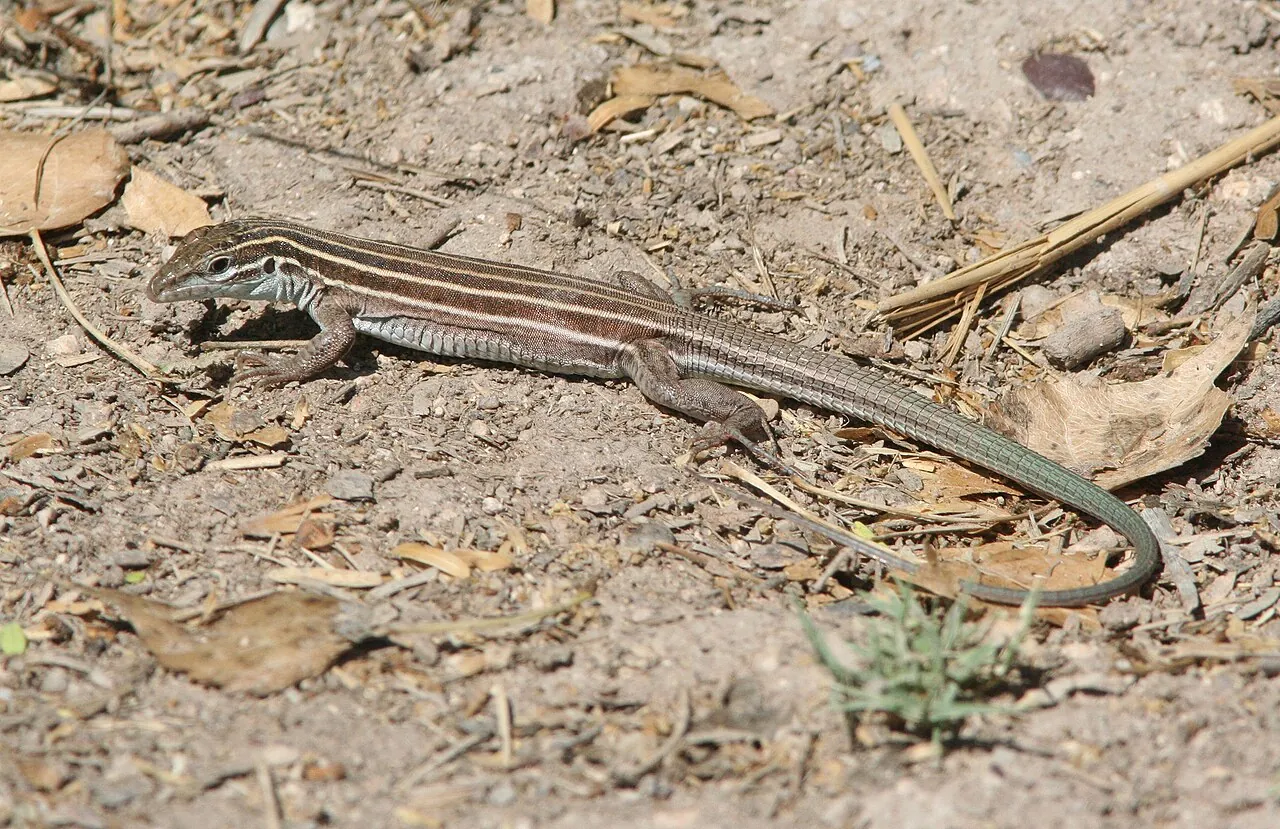
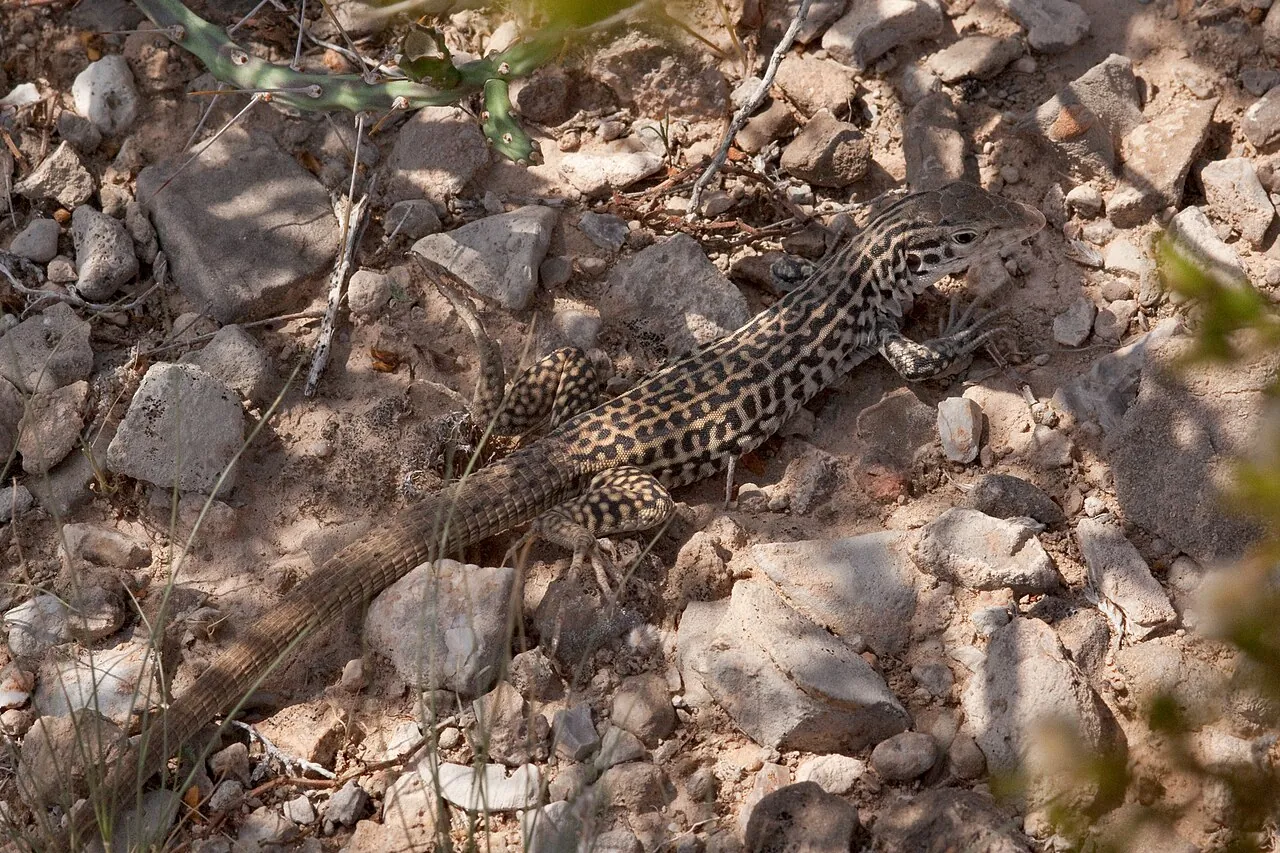
In the paper below, David Crews and colleagues housed each female of an all-female whiptail, Cnemidophorus uniparens, with one partner of the same species. One kind of partner was intact. A second kind had her ovaries removed and doesn’t act out mating. A third kind had her ovaries removed and received progesterone, a hormone that makes her act out male mating behavior.
Before you read, make a guess. Which partner led the most females to ovulate, and about what percent of females ovulated with each kind of partner? Write one sentence on why you think so.
Hint
In the video, Raven says mating-like behavior helps trigger ovulation. Ask which partner acts most like a male.
Read the paper
Crews, Grassman and Lindzey, “Behavioral facilitation of reproduction in sexual and unisexual whiptail lizards,” PNAS, 1986. The paper is free to read as scanned pages.
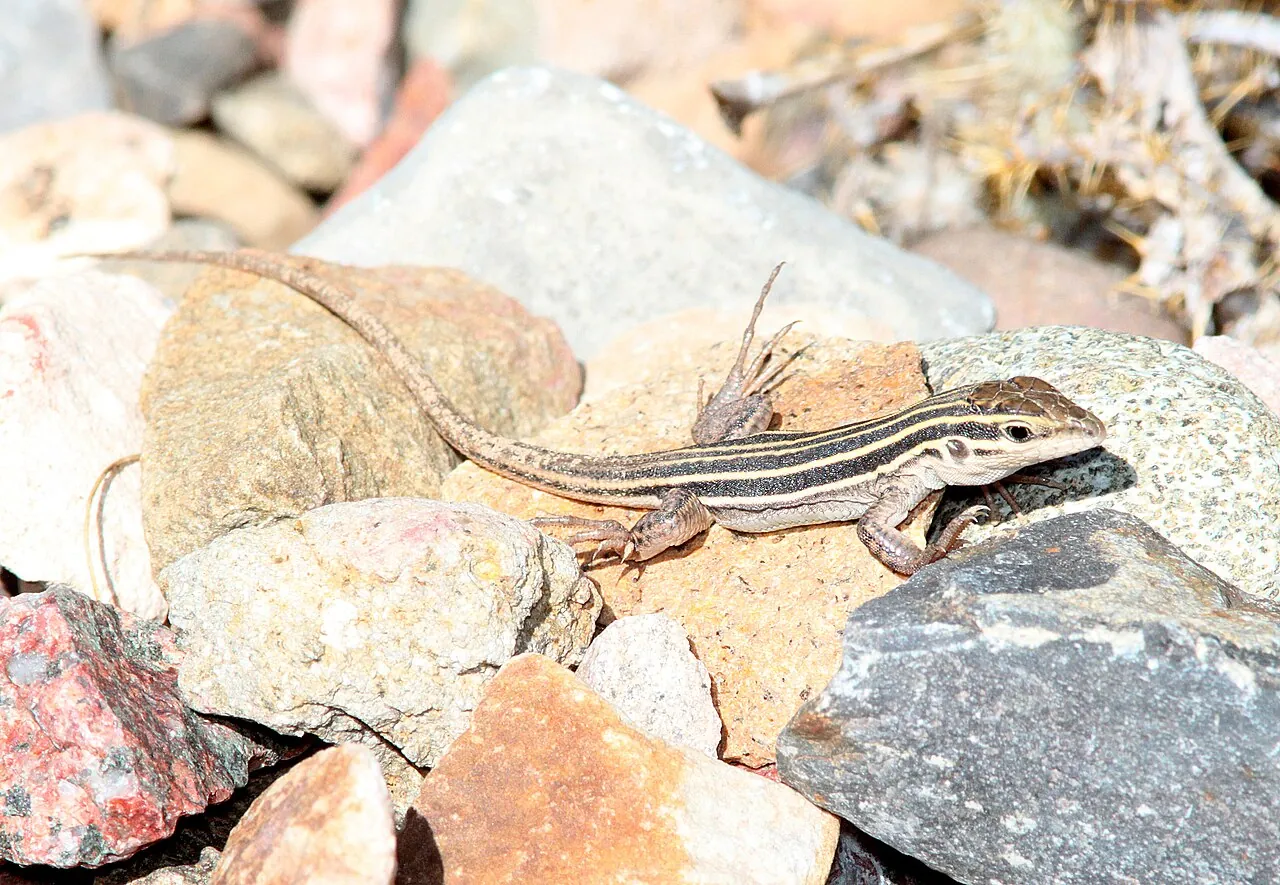
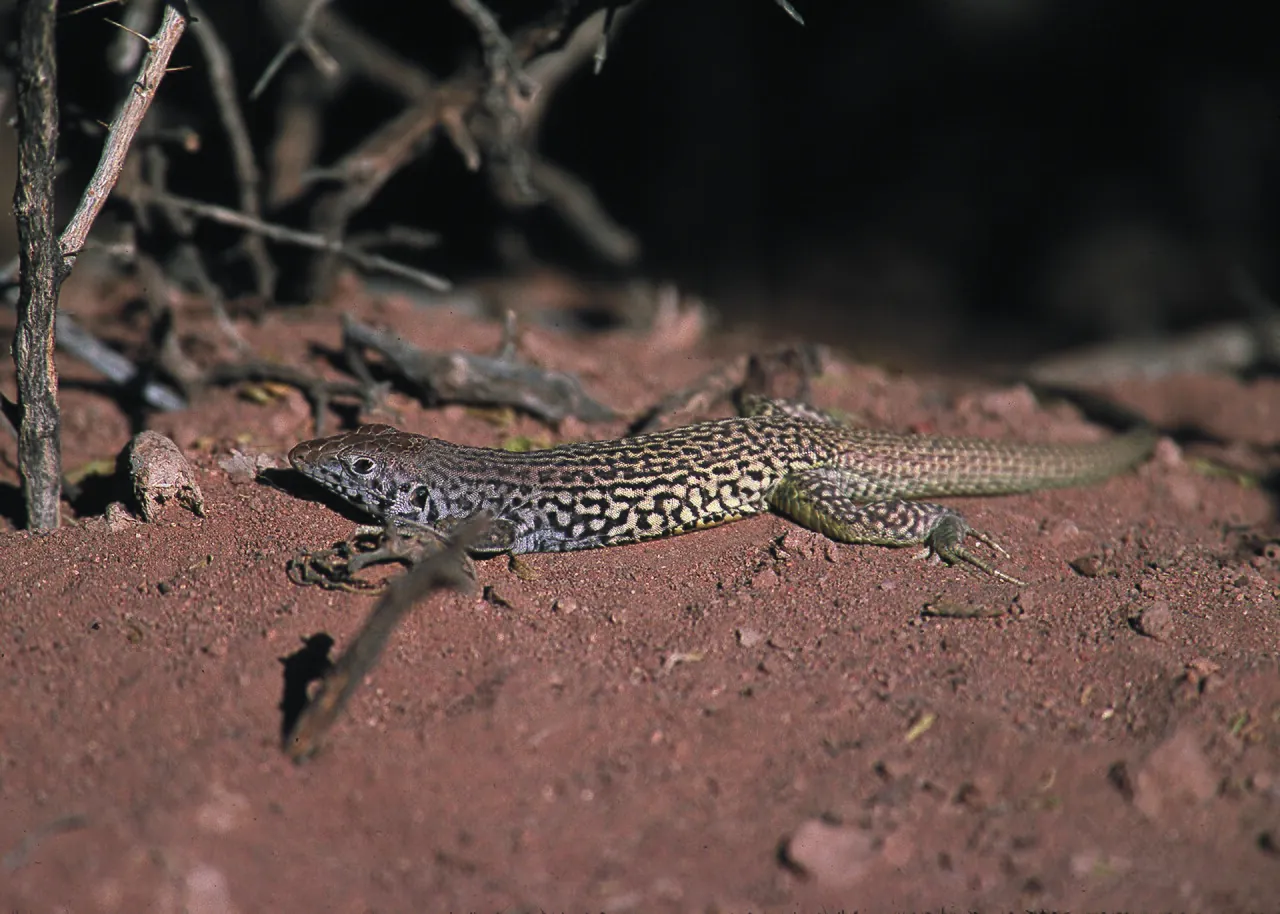
David Crews’s team kept two whiptail species from Arizona in lab chambers that copied the light, temperature and humidity of southeastern Arizona in the breeding season. C. inornatus has males and females. C. uniparens is an all-female species that arose from hybrids, and C. inornatus supplied two-thirds of its triploid genome. Each C. inornatus female lived alone, with other females, with a castrated male, or with a castrated male given androgens, hormones that restore male mating behavior. Each C. uniparens female lived with a partner whose ovaries had been removed and who carried an empty capsule, with an intact partner, or with a partner whose ovaries had been removed and who carried a progesterone capsule. Females without ovaries don’t act out mating, but progesterone reliably triggers male-like mating behavior in them. Twice a week, the team felt each lizard’s belly to track her eggs. Table 1 counts the females that ovulated, releasing eggs from the ovary, during the study.
| Species and treatment group in Table 1 | Ovulating | Not ovulating | Percent ovulating |
|---|---|---|---|
| C. inornatus, alone | 0 | 5 | |
| C. inornatus, with other females | 4 | 8 | |
| C. inornatus, with a castrated male | 3 | 9 | |
| C. inornatus, with a castrated male given androgens | 13 | 1 | |
| C. uniparens, with a partner without ovaries and an empty capsule | 2 | 9 | |
| C. uniparens, with an intact partner | 7 | 5 | |
| C. uniparens, with a partner without ovaries and a progesterone capsule | 6 | 3 |
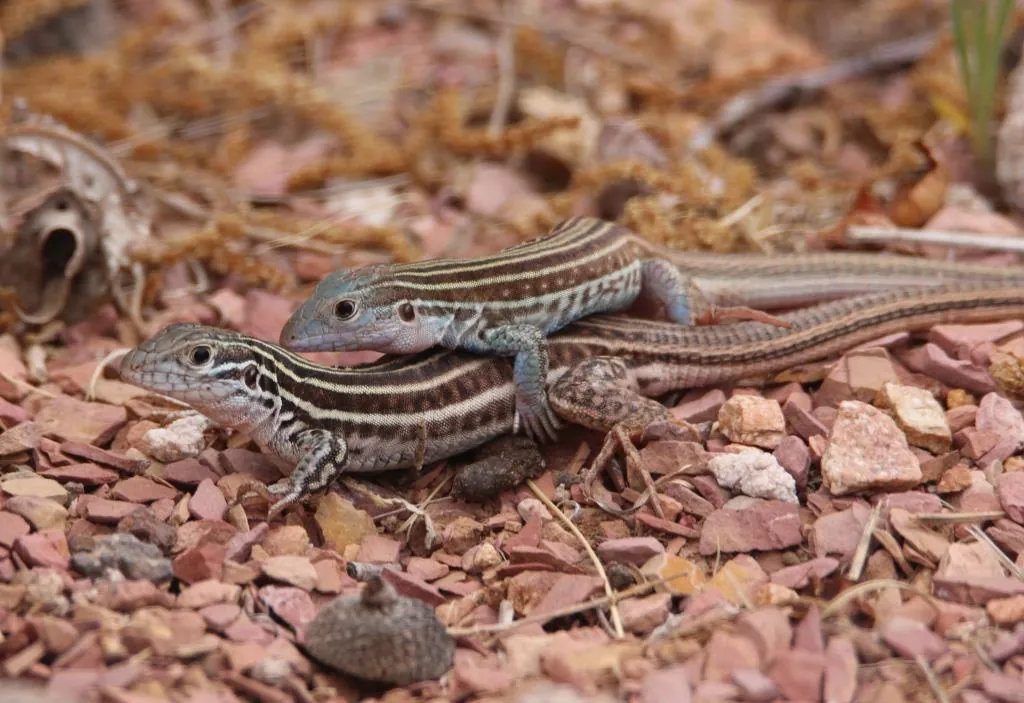
Table 1 of the 1986 paper by Crews and colleagues counts the C. uniparens females that ovulated with each kind of partner.
In Table 1, ____ of C. uniparens females ovulated with a partner without ovaries and an empty capsule.
See the table
| Species and treatment group in Table 1 | Ovulating | Not ovulating | Percent ovulating |
|---|---|---|---|
| C. inornatus, alone | 0 | 5 | |
| C. inornatus, with other females | 4 | 8 | |
| C. inornatus, with a castrated male | 3 | 9 | |
| C. inornatus, with a castrated male given androgens | 13 | 1 | |
| C. uniparens, with a partner without ovaries and an empty capsule | 2 | 9 | |
| C. uniparens, with an intact partner | 7 | 5 | |
| C. uniparens, with a partner without ovaries and a progesterone capsule | 6 | 3 |
In Table 1, ____ of C. uniparens females ovulated with a partner without ovaries and a progesterone capsule.
See the table
| Species and treatment group in Table 1 | Ovulating | Not ovulating | Percent ovulating |
|---|---|---|---|
| C. inornatus, alone | 0 | 5 | |
| C. inornatus, with other females | 4 | 8 | |
| C. inornatus, with a castrated male | 3 | 9 | |
| C. inornatus, with a castrated male given androgens | 13 | 1 | |
| C. uniparens, with a partner without ovaries and an empty capsule | 2 | 9 | |
| C. uniparens, with an intact partner | 7 | 5 | |
| C. uniparens, with a partner without ovaries and a progesterone capsule | 6 | 3 |
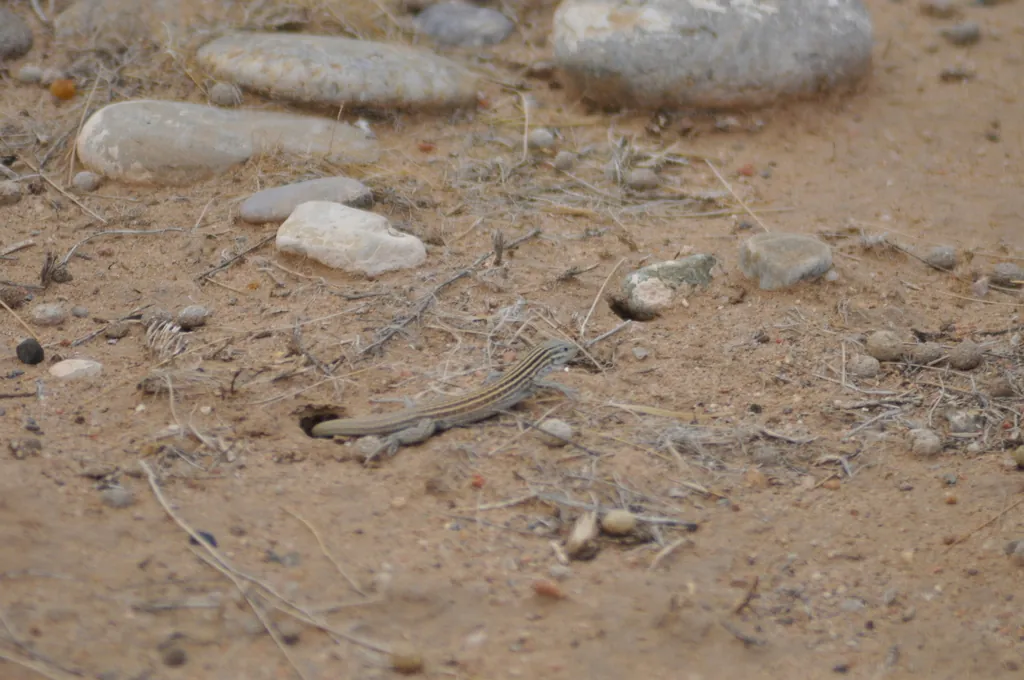
About how many times higher was the percent of C. uniparens females ovulating with the progesterone-treated partner than with the partner given an empty capsule?
See the table
| Species and treatment group in Table 1 | Ovulating | Not ovulating | Percent ovulating |
|---|---|---|---|
| C. inornatus, alone | 0 | 5 | |
| C. inornatus, with other females | 4 | 8 | |
| C. inornatus, with a castrated male | 3 | 9 | |
| C. inornatus, with a castrated male given androgens | 13 | 1 | |
| C. uniparens, with a partner without ovaries and an empty capsule | 2 | 9 | |
| C. uniparens, with an intact partner | 7 | 5 | |
| C. uniparens, with a partner without ovaries and a progesterone capsule | 6 | 3 |
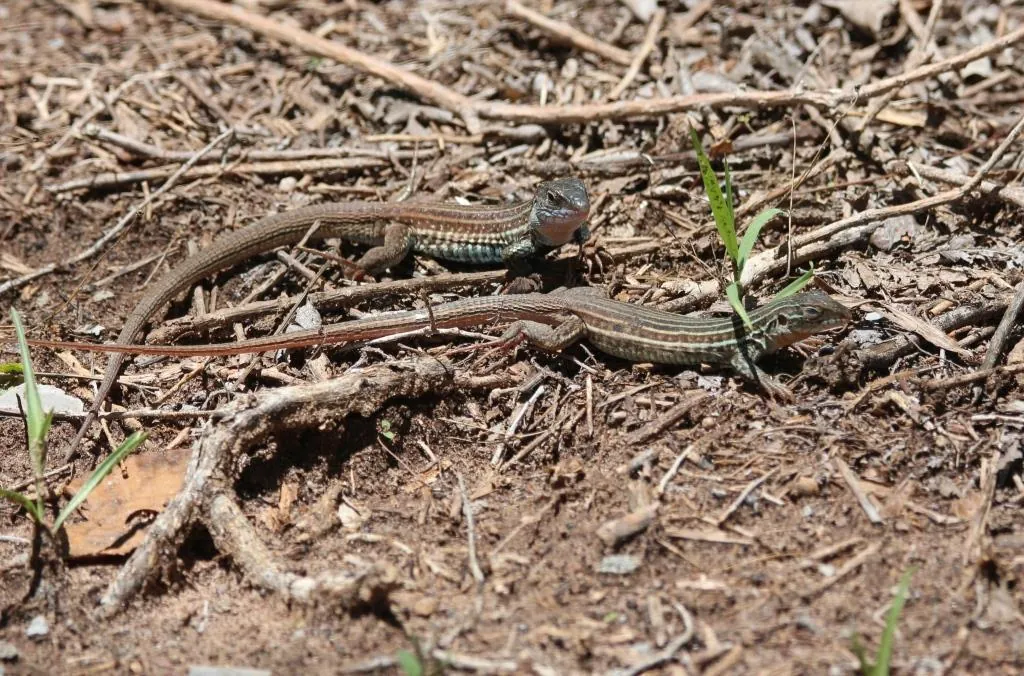
Every C. uniparens partner in the study was a female of the same all-female species. Partners without ovaries got either an empty capsule or a progesterone capsule.
Why did Crews’s team give one group of partners without ovaries an empty capsule?
See the table
| Species and treatment group in Table 1 | Ovulating | Not ovulating | Percent ovulating |
|---|---|---|---|
| C. inornatus, alone | 0 | 5 | |
| C. inornatus, with other females | 4 | 8 | |
| C. inornatus, with a castrated male | 3 | 9 | |
| C. inornatus, with a castrated male given androgens | 13 | 1 | |
| C. uniparens, with a partner without ovaries and an empty capsule | 2 | 9 | |
| C. uniparens, with an intact partner | 7 | 5 | |
| C. uniparens, with a partner without ovaries and a progesterone capsule | 6 | 3 |
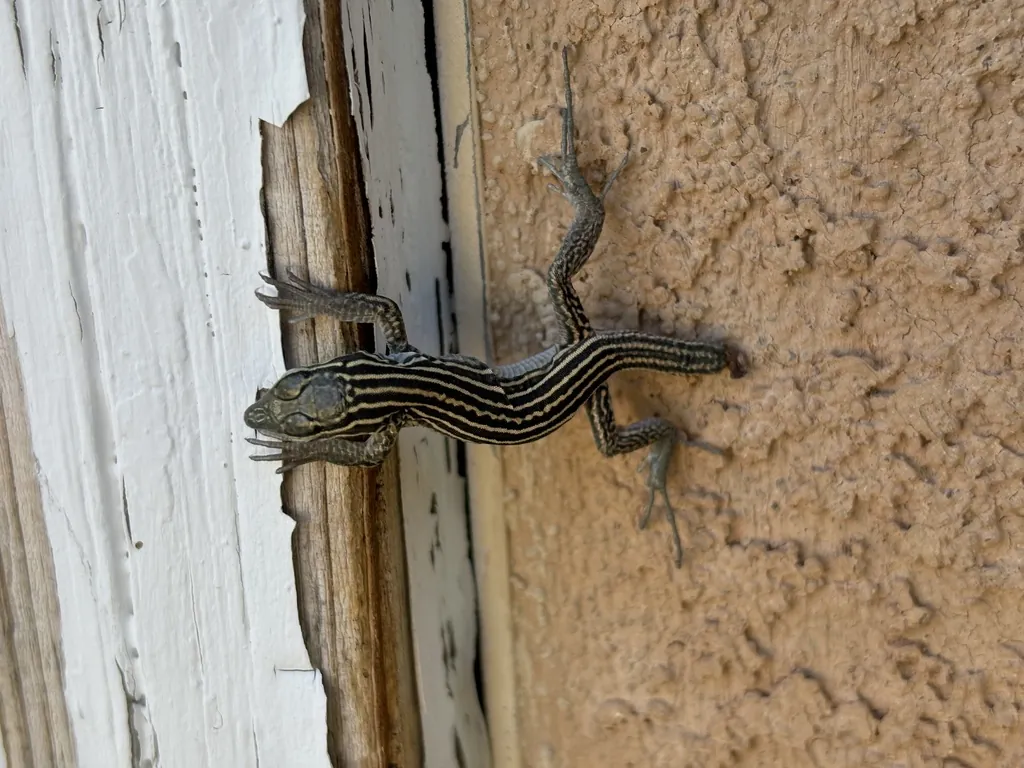
Which other explanation for the higher ovulation with progesterone-treated partners does the design leave open?
See the table
| Species and treatment group in Table 1 | Ovulating | Not ovulating | Percent ovulating |
|---|---|---|---|
| C. inornatus, alone | 0 | 5 | |
| C. inornatus, with other females | 4 | 8 | |
| C. inornatus, with a castrated male | 3 | 9 | |
| C. inornatus, with a castrated male given androgens | 13 | 1 | |
| C. uniparens, with a partner without ovaries and an empty capsule | 2 | 9 | |
| C. uniparens, with an intact partner | 7 | 5 | |
| C. uniparens, with a partner without ovaries and a progesterone capsule | 6 | 3 |
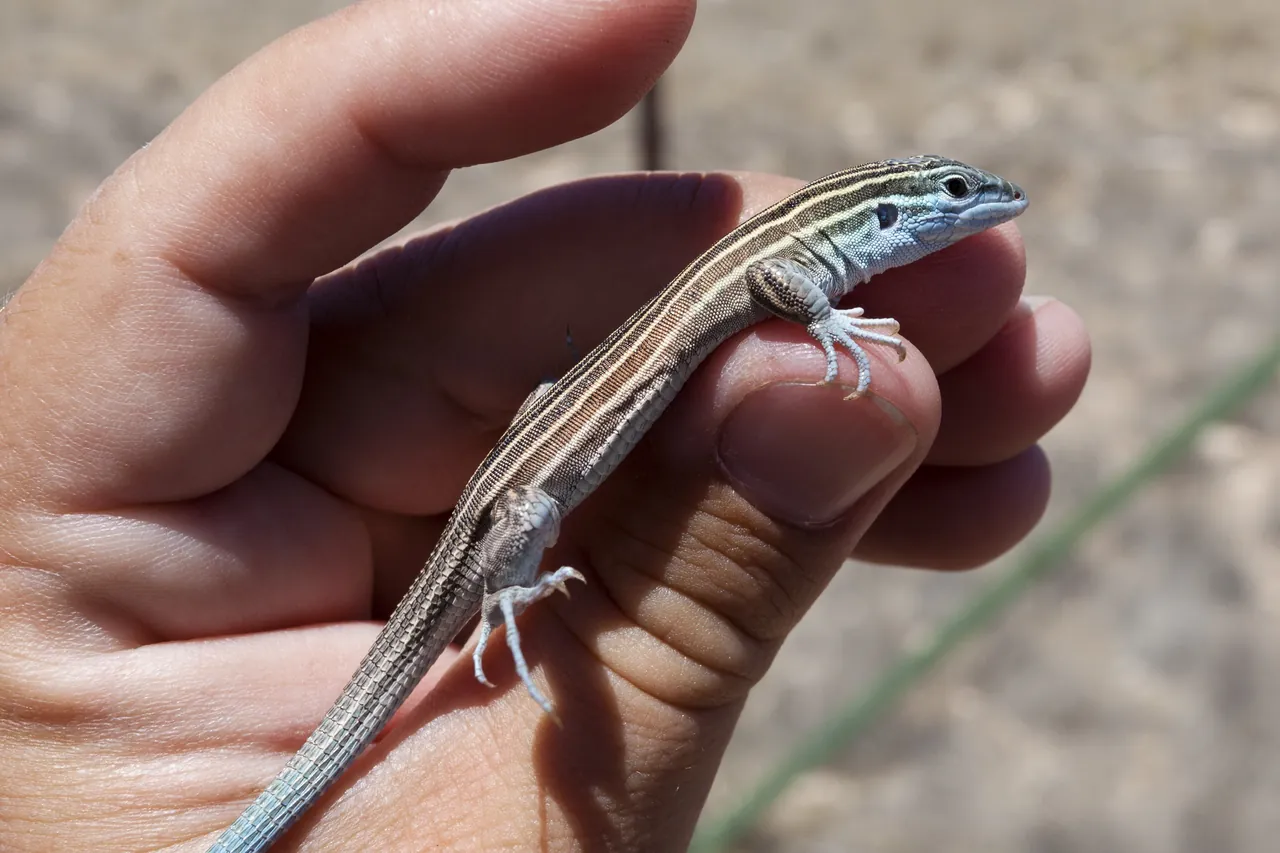
In C. inornatus, the species with males, none of the 5 females kept alone ovulated, and 13 of 14 females housed with an androgen-treated male did.
What raised the percent of females ovulating in both species in Table 1?
See the table
| Species and treatment group in Table 1 | Ovulating | Not ovulating | Percent ovulating |
|---|---|---|---|
| C. inornatus, alone | 0 | 5 | |
| C. inornatus, with other females | 4 | 8 | |
| C. inornatus, with a castrated male | 3 | 9 | |
| C. inornatus, with a castrated male given androgens | 13 | 1 | |
| C. uniparens, with a partner without ovaries and an empty capsule | 2 | 9 | |
| C. uniparens, with an intact partner | 7 | 5 | |
| C. uniparens, with a partner without ovaries and a progesterone capsule | 6 | 3 |
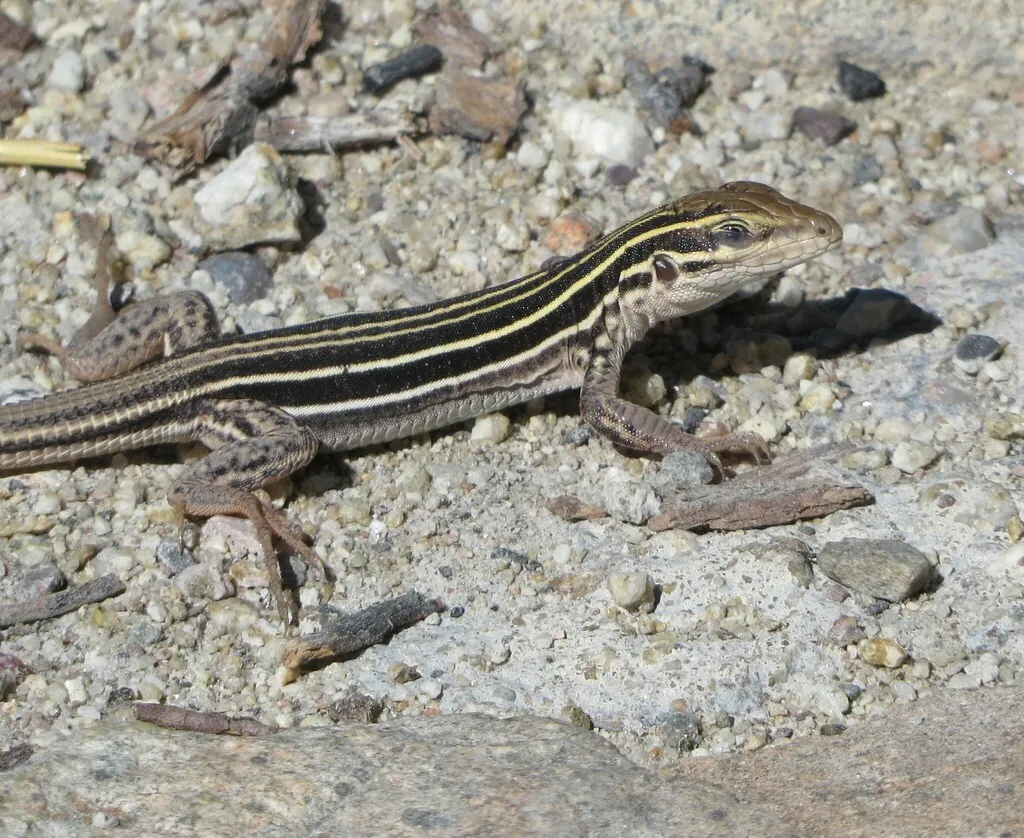
Why do the Table 1 results suggest that C. uniparens kept a trait from its sexual ancestor?
See the table
| Species and treatment group in Table 1 | Ovulating | Not ovulating | Percent ovulating |
|---|---|---|---|
| C. inornatus, alone | 0 | 5 | |
| C. inornatus, with other females | 4 | 8 | |
| C. inornatus, with a castrated male | 3 | 9 | |
| C. inornatus, with a castrated male given androgens | 13 | 1 | |
| C. uniparens, with a partner without ovaries and an empty capsule | 2 | 9 | |
| C. uniparens, with an intact partner | 7 | 5 | |
| C. uniparens, with a partner without ovaries and a progesterone capsule | 6 | 3 |
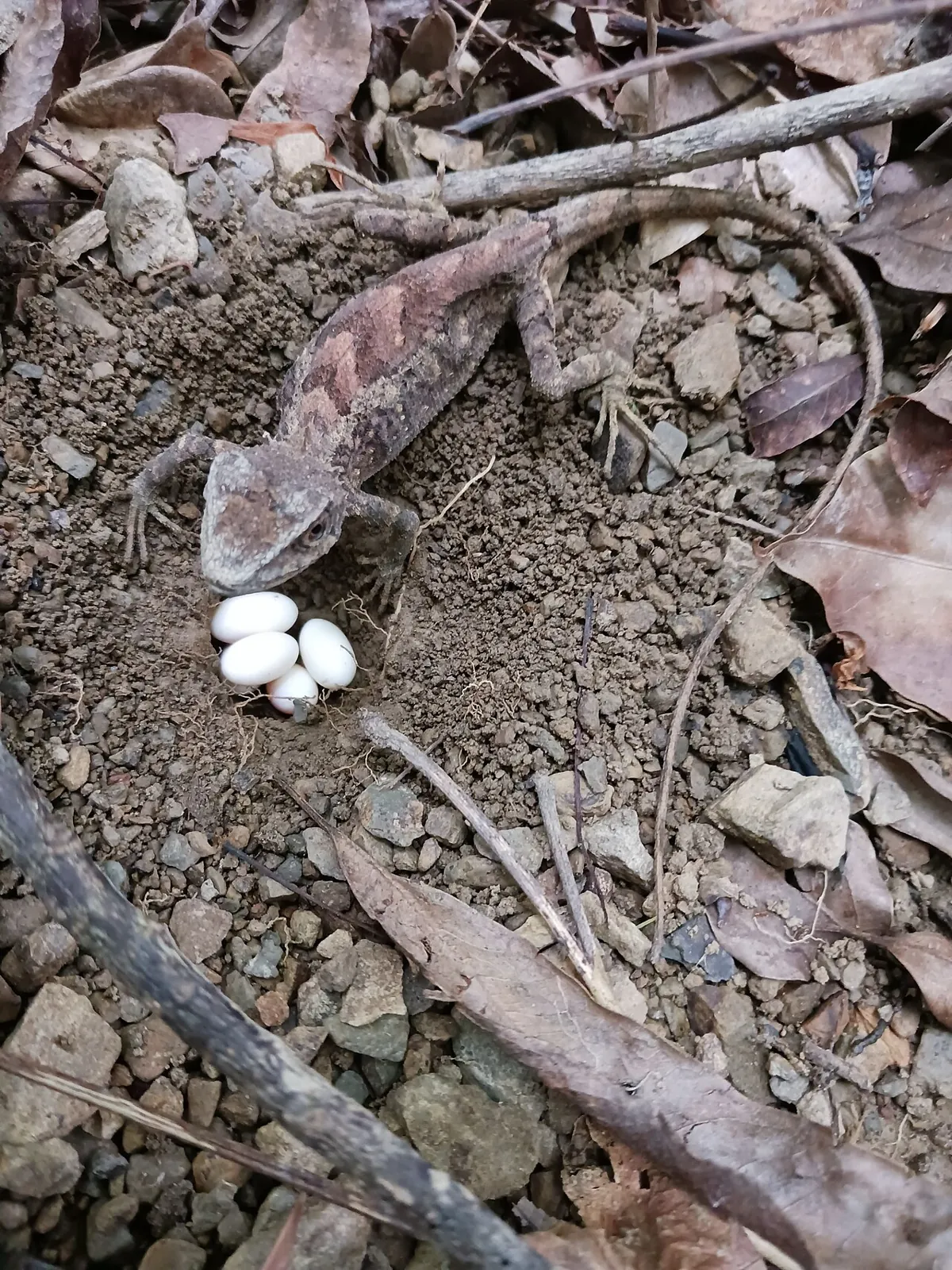
The surge in progesterone after ovulation triggers male-like behavior in C. uniparens.
In an intact pair of C. uniparens, which female acts male?
See the table
| Species and treatment group in Table 1 | Ovulating | Not ovulating | Percent ovulating |
|---|---|---|---|
| C. inornatus, alone | 0 | 5 | |
| C. inornatus, with other females | 4 | 8 | |
| C. inornatus, with a castrated male | 3 | 9 | |
| C. inornatus, with a castrated male given androgens | 13 | 1 | |
| C. uniparens, with a partner without ovaries and an empty capsule | 2 | 9 | |
| C. uniparens, with an intact partner | 7 | 5 | |
| C. uniparens, with a partner without ovaries and a progesterone capsule | 6 | 3 |
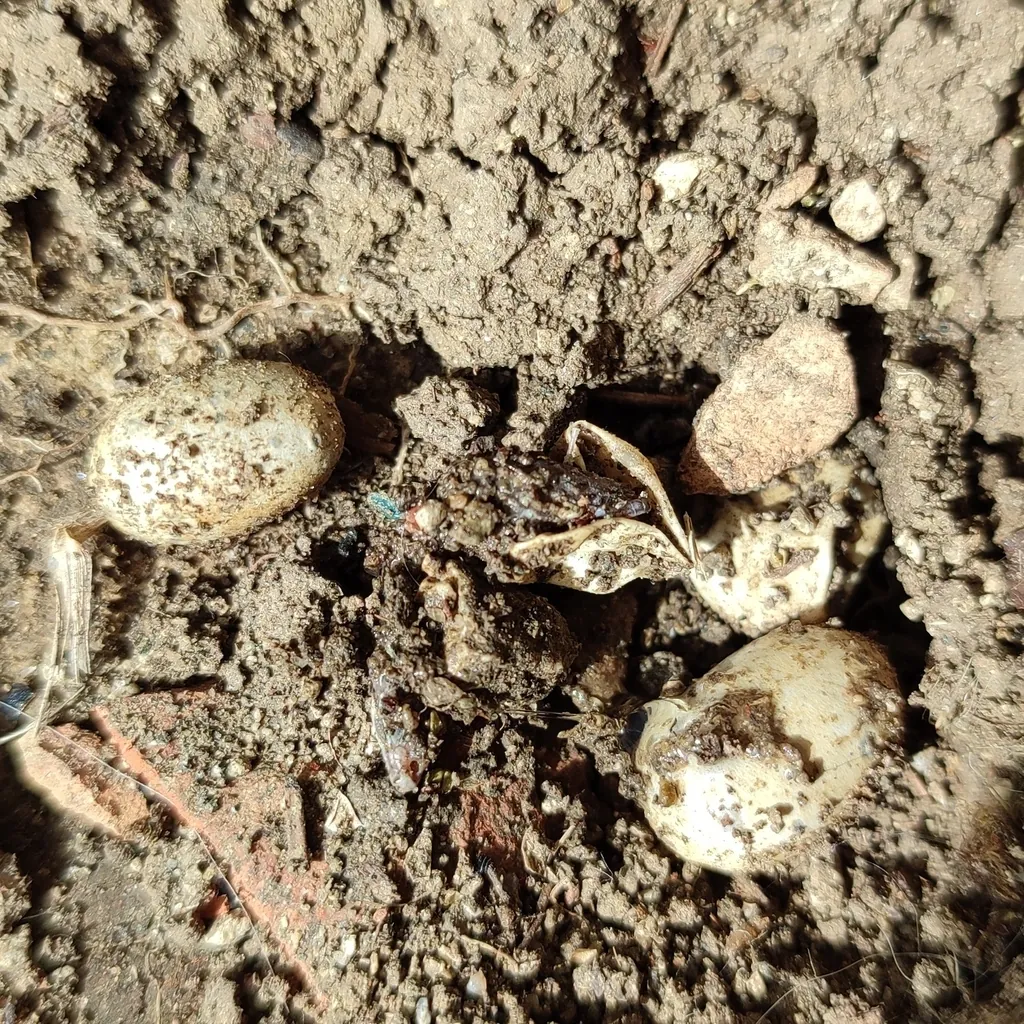
Why would natural selection keep mating-like behavior in C. uniparens?
See the table
| Species and treatment group in Table 1 | Ovulating | Not ovulating | Percent ovulating |
|---|---|---|---|
| C. inornatus, alone | 0 | 5 | |
| C. inornatus, with other females | 4 | 8 | |
| C. inornatus, with a castrated male | 3 | 9 | |
| C. inornatus, with a castrated male given androgens | 13 | 1 | |
| C. uniparens, with a partner without ovaries and an empty capsule | 2 | 9 | |
| C. uniparens, with an intact partner | 7 | 5 | |
| C. uniparens, with a partner without ovaries and a progesterone capsule | 6 | 3 |
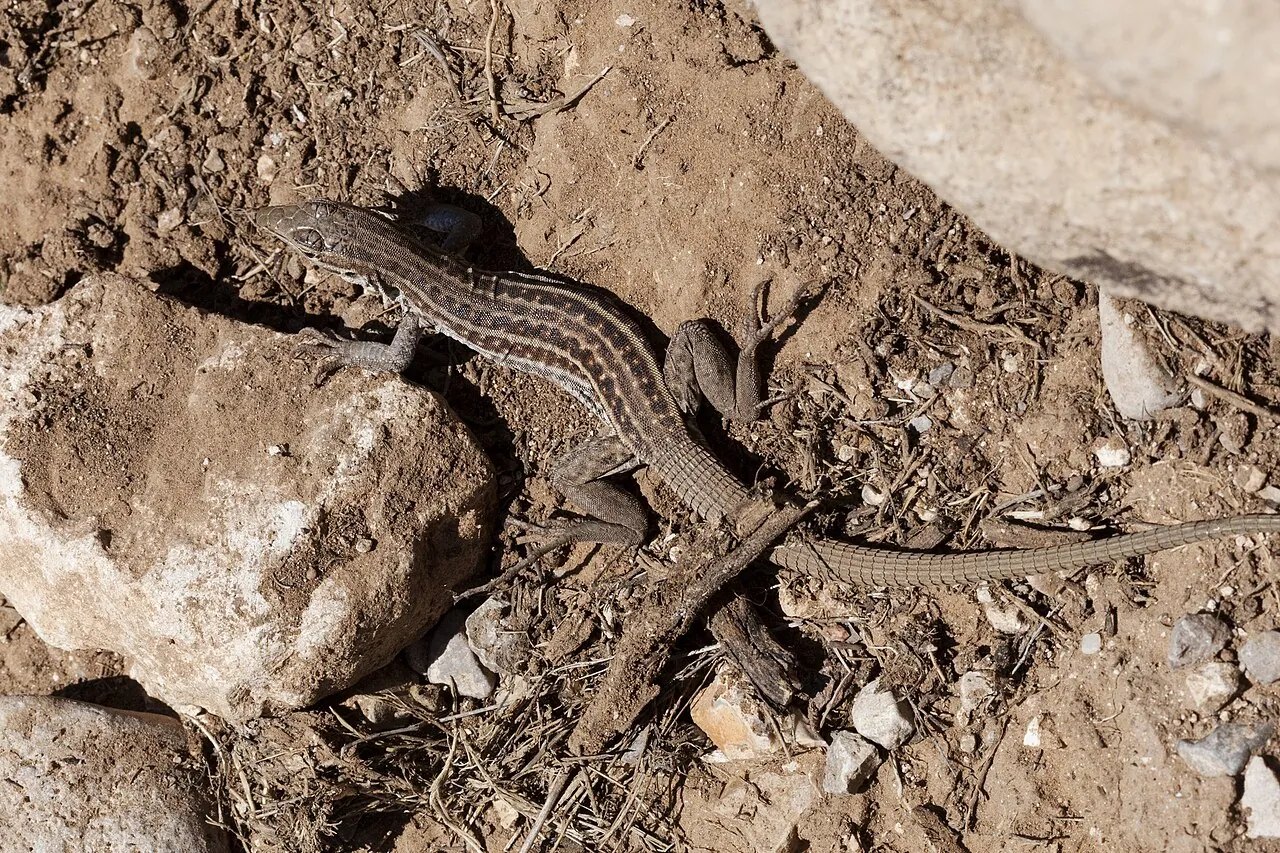
Table 1 counts whiptail females that ovulated with different partners.
Which summary fits Table 1 of the 1986 paper by Crews and colleagues?
Which question about whiptails can’t Table 1 answer?
Lesson complete
Today’s word
unisexual
yoo-nih-SEK-shoo-ul
Having only one sex. Every unisexual animal with a backbone that scientists have found is all female.
Look at these again
You got every question right the first time.
Sources
- Aracely Lutes, Peter Baumann and colleagues, Stowers Institute, Nature, 2010
- A. A. Newton, P. Baumann and colleagues, Development, 2016
- David Crews, Mark Grassman and Jonathan Lindzey, University of Texas at Austin, PNAS, 1986
- Yuan Lu, Wesley Warren, Manfred Schartl and colleagues, Genome Research, 2021
- Review by Kathrin Lampert and Manfred Schartl, BMC Biology, 2010
- Florida Museum of Natural History, Florida snake ID guide
- Toronto Zoo, Desert grassland whiptail page
- The Reptile Database, Aspidoscelis uniparens entry
- Vision and Change core concepts and competencies, as summarized in Brownell and others, CBE Life Sciences Education, 2014
- Word origins from Dictionary.com: unisexual, uni-, unison, gynogenesis, gyno-, kleptomania