Coffee and Your Brain, College
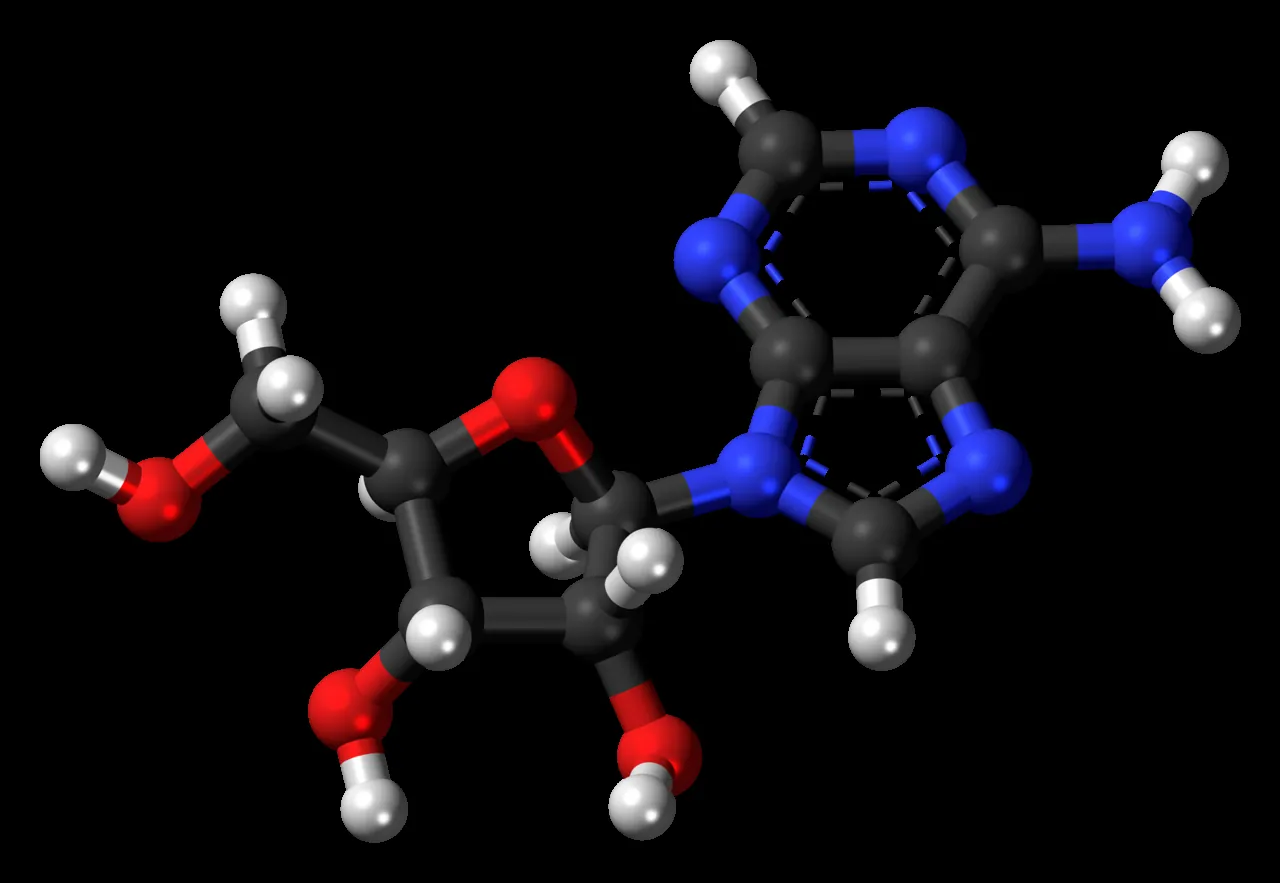
Your word of the day is
uh-DEN-uh-seen
A molecule found in all living cells. In the brain, adenosine builds up while you’re awake and helps signal that you’re tired.
The study below gave adults 400 mg of caffeine 6 hours before bed and measured their sleep with a headband monitor. Make your guess before you read the paper, and give your reason in one sentence.
How many minutes of sleep do you think 400 mg of caffeine, taken 6 hours before bed, cost compared with a placebo night?
Hint
In adults, half of a caffeine dose leaves the body every 3 to 7 hours. How much of the dose would still be in the body at bedtime?
Read the paper
Drake, Roehrs, Shambroom and Roth, “Caffeine effects on sleep taken 0, 3, or 6 hours before going to bed,” Journal of Clinical Sleep Medicine, 2013. The paper is free to read.
Twelve healthy adults, ages 19 to 48, who regularly use caffeine slept at home for four test nights. On each test day they swallowed three pills, at 6, 3 and 0 hours before their usual bedtime. On three of the nights, one pill held 400 mg of caffeine and the other two were placebos. On the fourth night, all three pills were placebos. Neither the participants nor the researchers knew which pill held caffeine. Each morning, participants recorded their sleep in a diary (Table 2 of the paper), and a headband monitor that records brain waves measured their sleep each night (Table 3). The table below gives the mean total sleep time from both tables.
| Condition | Diary total sleep, Table 2 (hours) | Monitor total sleep, Table 3 (hours) | Monitor sleep lost compared with placebo (minutes) |
|---|---|---|---|
| Placebo | 7.82 | 7.68 | 0 |
| Caffeine at bedtime | 6.92 | 6.60 | |
| Caffeine 3 hours before bed | 6.77 | 6.54 | |
| Caffeine 6 hours before bed | 7.13 | 6.50 |
Fill in the last column of the table. Subtract each caffeine row from placebo, then multiply by 60. In Table 3, all three caffeine nights differed from placebo (p < 0.05).
In Table 3 of the Drake paper, caffeine taken at bedtime (6.60 hours of sleep) cost ____ of sleep compared with placebo (7.68 hours).
See the table
| Condition | Diary total sleep, Table 2 (hours) | Monitor total sleep, Table 3 (hours) | Monitor sleep lost compared with placebo (minutes) |
|---|---|---|---|
| Placebo | 7.82 | 7.68 | 0 |
| Caffeine at bedtime | 6.92 | 6.60 | |
| Caffeine 3 hours before bed | 6.77 | 6.54 | |
| Caffeine 6 hours before bed | 7.13 | 6.50 |

In Table 3 of the Drake paper, caffeine taken 3 hours before bed (6.54 hours of sleep) cost ____ of sleep compared with placebo (7.68 hours).
See the table
| Condition | Diary total sleep, Table 2 (hours) | Monitor total sleep, Table 3 (hours) | Monitor sleep lost compared with placebo (minutes) |
|---|---|---|---|
| Placebo | 7.82 | 7.68 | 0 |
| Caffeine at bedtime | 6.92 | 6.60 | |
| Caffeine 3 hours before bed | 6.77 | 6.54 | |
| Caffeine 6 hours before bed | 7.13 | 6.50 |

In Table 3 of the Drake paper, caffeine taken 6 hours before bed (6.50 hours of sleep) cost ____ of sleep compared with placebo (7.68 hours).
See the table
| Condition | Diary total sleep, Table 2 (hours) | Monitor total sleep, Table 3 (hours) | Monitor sleep lost compared with placebo (minutes) |
|---|---|---|---|
| Placebo | 7.82 | 7.68 | 0 |
| Caffeine at bedtime | 6.92 | 6.60 | |
| Caffeine 3 hours before bed | 6.77 | 6.54 | |
| Caffeine 6 hours before bed | 7.13 | 6.50 |
In Table 3 of the Drake paper, did taking caffeine earlier in the evening shrink the sleep loss?
See the table
| Condition | Diary total sleep, Table 2 (hours) | Monitor total sleep, Table 3 (hours) | Monitor sleep lost compared with placebo (minutes) |
|---|---|---|---|
| Placebo | 7.82 | 7.68 | 0 |
| Caffeine at bedtime | 6.92 | 6.60 | |
| Caffeine 3 hours before bed | 6.77 | 6.54 | |
| Caffeine 6 hours before bed | 7.13 | 6.50 |

At 6 hours, the diaries showed 41 minutes of lost sleep (p = 0.08), and the monitor showed about 71 minutes.
Why might the sleep diaries and the headband monitor disagree for caffeine taken 6 hours before bed?
See the table
| Condition | Diary total sleep, Table 2 (hours) | Monitor total sleep, Table 3 (hours) | Monitor sleep lost compared with placebo (minutes) |
|---|---|---|---|
| Placebo | 7.82 | 7.68 | 0 |
| Caffeine at bedtime | 6.92 | 6.60 | |
| Caffeine 3 hours before bed | 6.77 | 6.54 | |
| Caffeine 6 hours before bed | 7.13 | 6.50 |
Which features of the Drake study design make the monitor result more convincing?
See the table
| Condition | Diary total sleep, Table 2 (hours) | Monitor total sleep, Table 3 (hours) | Monitor sleep lost compared with placebo (minutes) |
|---|---|---|---|
| Placebo | 7.82 | 7.68 | 0 |
| Caffeine at bedtime | 6.92 | 6.60 | |
| Caffeine 3 hours before bed | 6.77 | 6.54 | |
| Caffeine 6 hours before bed | 7.13 | 6.50 |
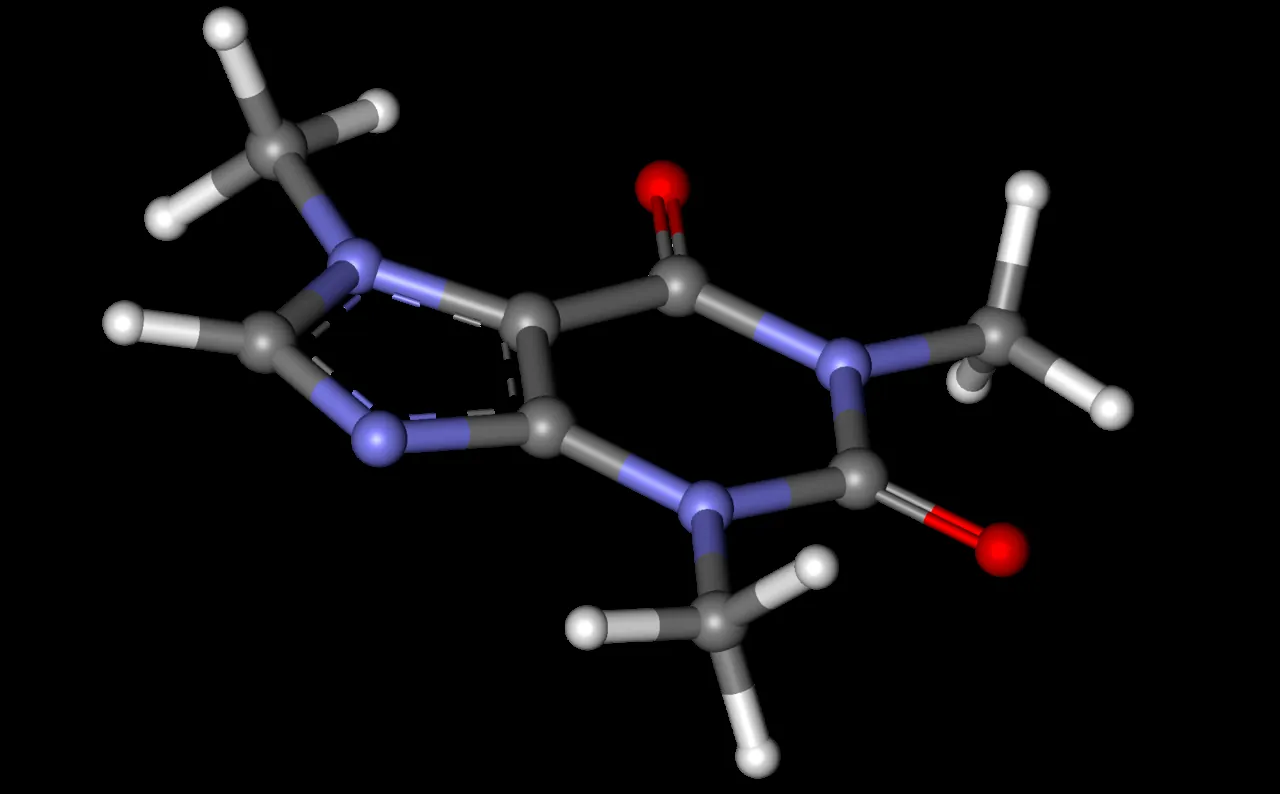
Caffeine is a purine alkaloid, and adenosine contains adenine, a purine base. Caffeine binds A1 and A2A adenosine receptors with roughly equal affinity without activating the receptors. In adults, caffeine’s half-life runs from 3 to 7 hours.
With a 5-hour half-life, about ____ of a 400 mg caffeine dose remains 6 hours later, at bedtime in the Drake study.
See the table
| Condition | Diary total sleep, Table 2 (hours) | Monitor total sleep, Table 3 (hours) | Monitor sleep lost compared with placebo (minutes) |
|---|---|---|---|
| Placebo | 7.82 | 7.68 | 0 |
| Caffeine at bedtime | 6.92 | 6.60 | |
| Caffeine 3 hours before bed | 6.77 | 6.54 | |
| Caffeine 6 hours before bed | 7.13 | 6.50 |
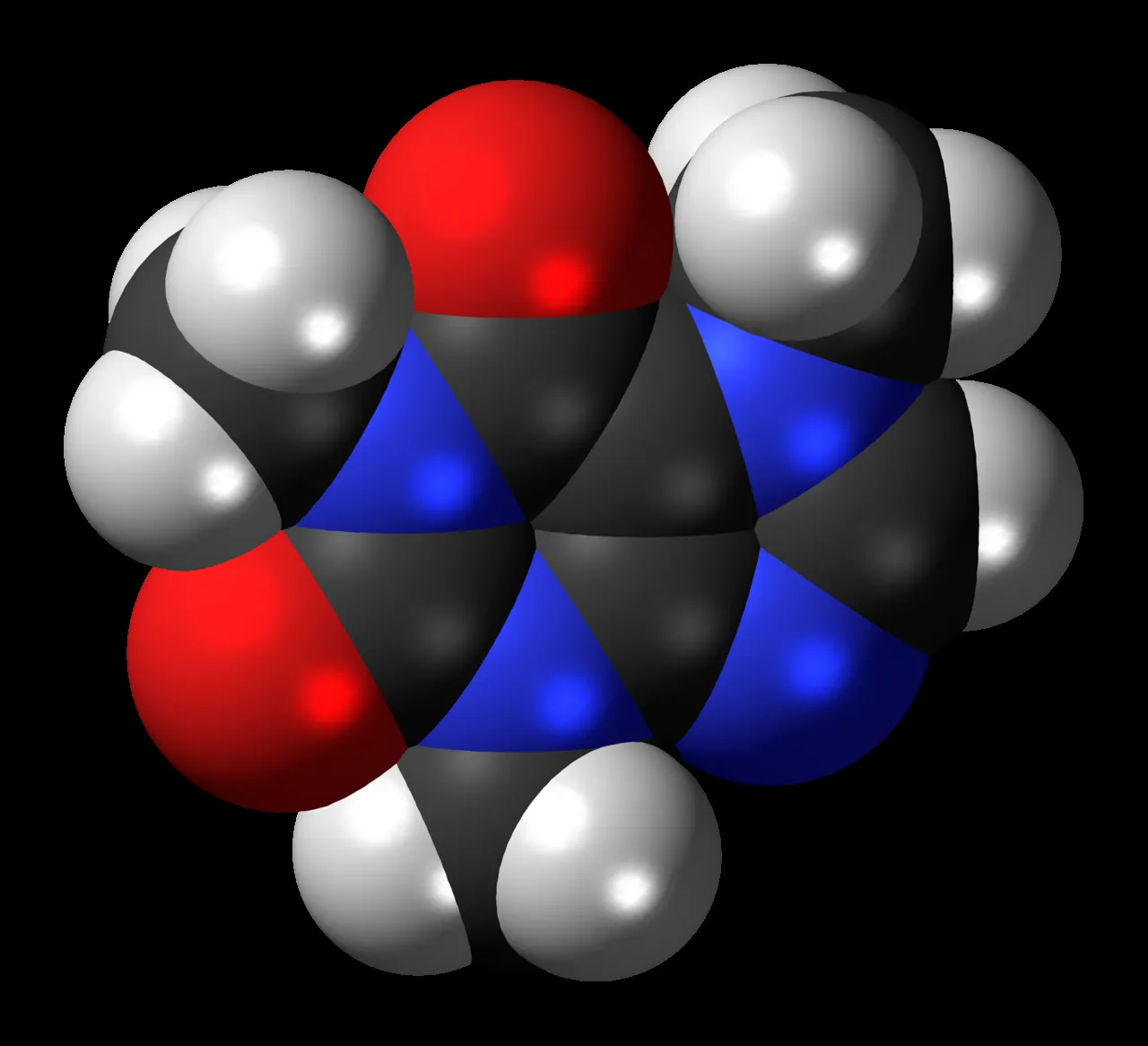
Based on caffeine’s structure, why did about 174 mg of caffeine at bedtime still shorten sleep?
See the table
| Condition | Diary total sleep, Table 2 (hours) | Monitor total sleep, Table 3 (hours) | Monitor sleep lost compared with placebo (minutes) |
|---|---|---|---|
| Placebo | 7.82 | 7.68 | 0 |
| Caffeine at bedtime | 6.92 | 6.60 | |
| Caffeine 3 hours before bed | 6.77 | 6.54 | |
| Caffeine 6 hours before bed | 7.13 | 6.50 |
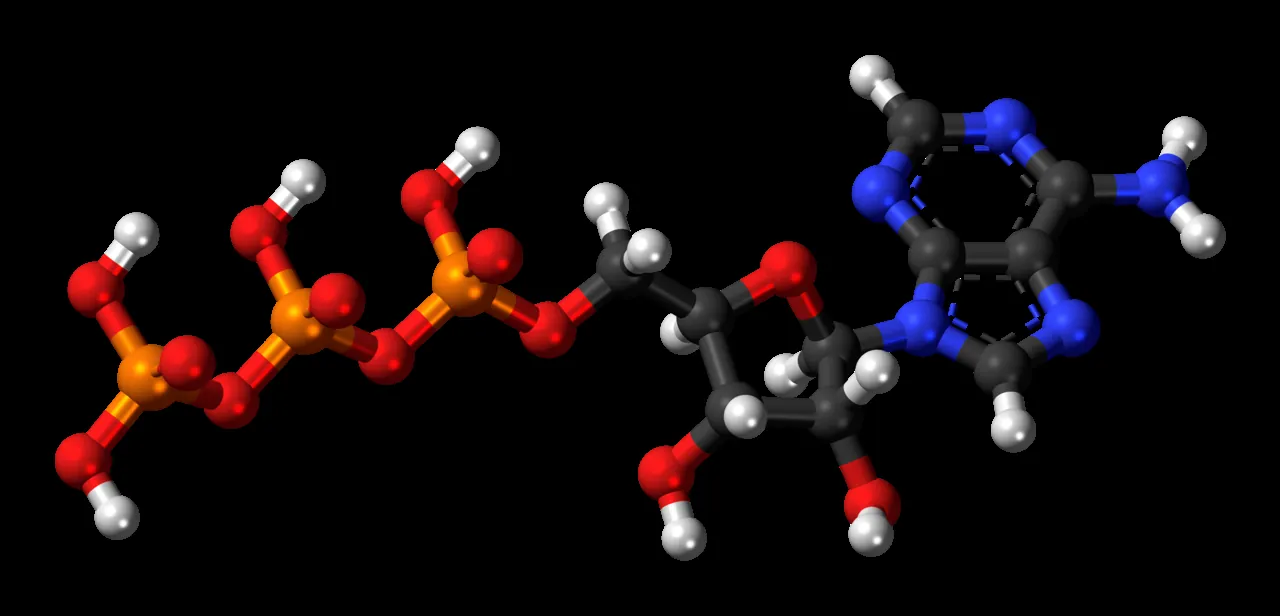
Adenosine forms when brain cells break down ATP, the molecule that carries energy in cells.
Why does caffeine change how tired a person feels without adding energy to cells?
See the table
| Condition | Diary total sleep, Table 2 (hours) | Monitor total sleep, Table 3 (hours) | Monitor sleep lost compared with placebo (minutes) |
|---|---|---|---|
| Placebo | 7.82 | 7.68 | 0 |
| Caffeine at bedtime | 6.92 | 6.60 | |
| Caffeine 3 hours before bed | 6.77 | 6.54 | |
| Caffeine 6 hours before bed | 7.13 | 6.50 |
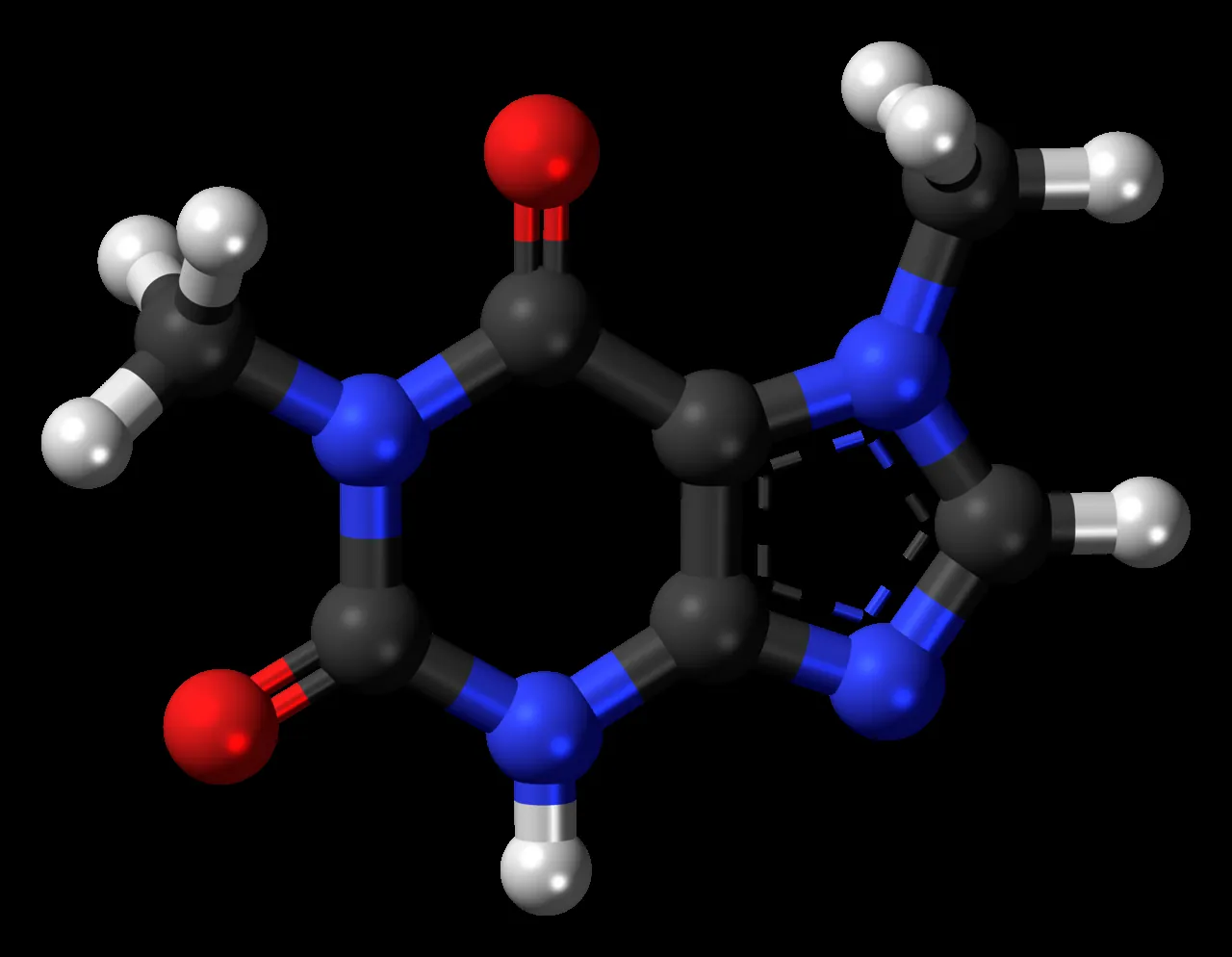
The liver breaks caffeine down mainly with the enzyme CYP1A2, and the main breakdown product is paraxanthine.
How could paraxanthine, caffeine’s main breakdown product, change how long caffeine’s effect lasts?
See the table
| Condition | Diary total sleep, Table 2 (hours) | Monitor total sleep, Table 3 (hours) | Monitor sleep lost compared with placebo (minutes) |
|---|---|---|---|
| Placebo | 7.82 | 7.68 | 0 |
| Caffeine at bedtime | 6.92 | 6.60 | |
| Caffeine 3 hours before bed | 6.77 | 6.54 | |
| Caffeine 6 hours before bed | 7.13 | 6.50 |

Table 3 of the Drake paper reports the sleep the headband monitor measured on each night.
Which summary fits Table 3 of the Drake paper for caffeine taken 6 hours before bed?