Coffee and Your Brain, High school
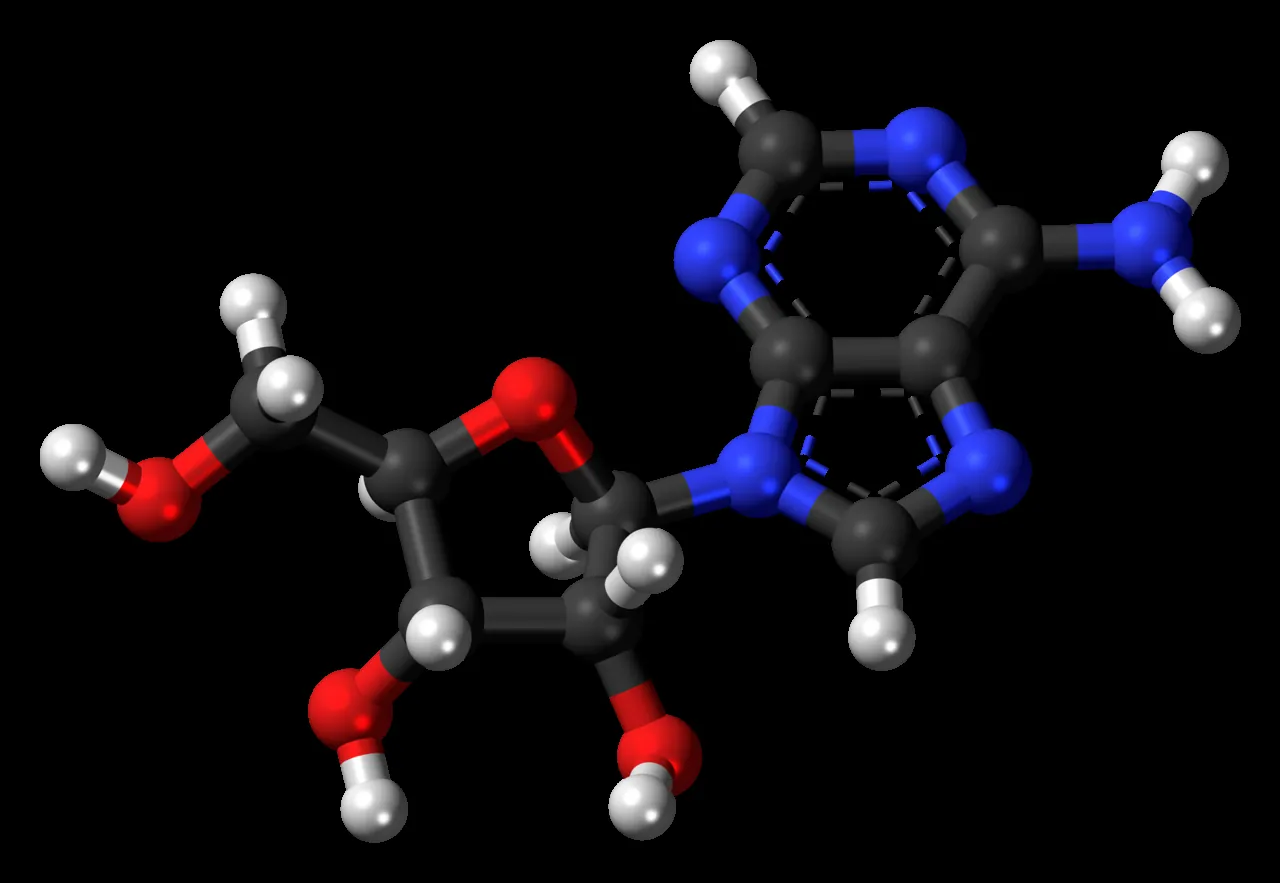
Your word of the day is
uh-DEN-uh-seen
A molecule found in all living cells. In the brain, adenosine builds up while you’re awake and helps signal that you’re tired.

An antagonist binds a receptor and blocks the receptor’s signal without turning the receptor on.
Caffeine gives brain cells no energy. Why does blocking adenosine receptors still make a person feel more alert?

Caffeine blocks two kinds of adenosine receptors, A1 and A2A, about equally. In one set of experiments, caffeine still kept mice awake when the mice had no working A1 receptors. Caffeine did not disrupt sleep in mice with no working A2A receptors.
Which receptor do the mouse experiments point to for caffeine’s wake-up effect?

Caffeine is absorbed in the small intestine and carried by the blood.
Which body systems carry caffeine from the mouth to the brain and the heart?
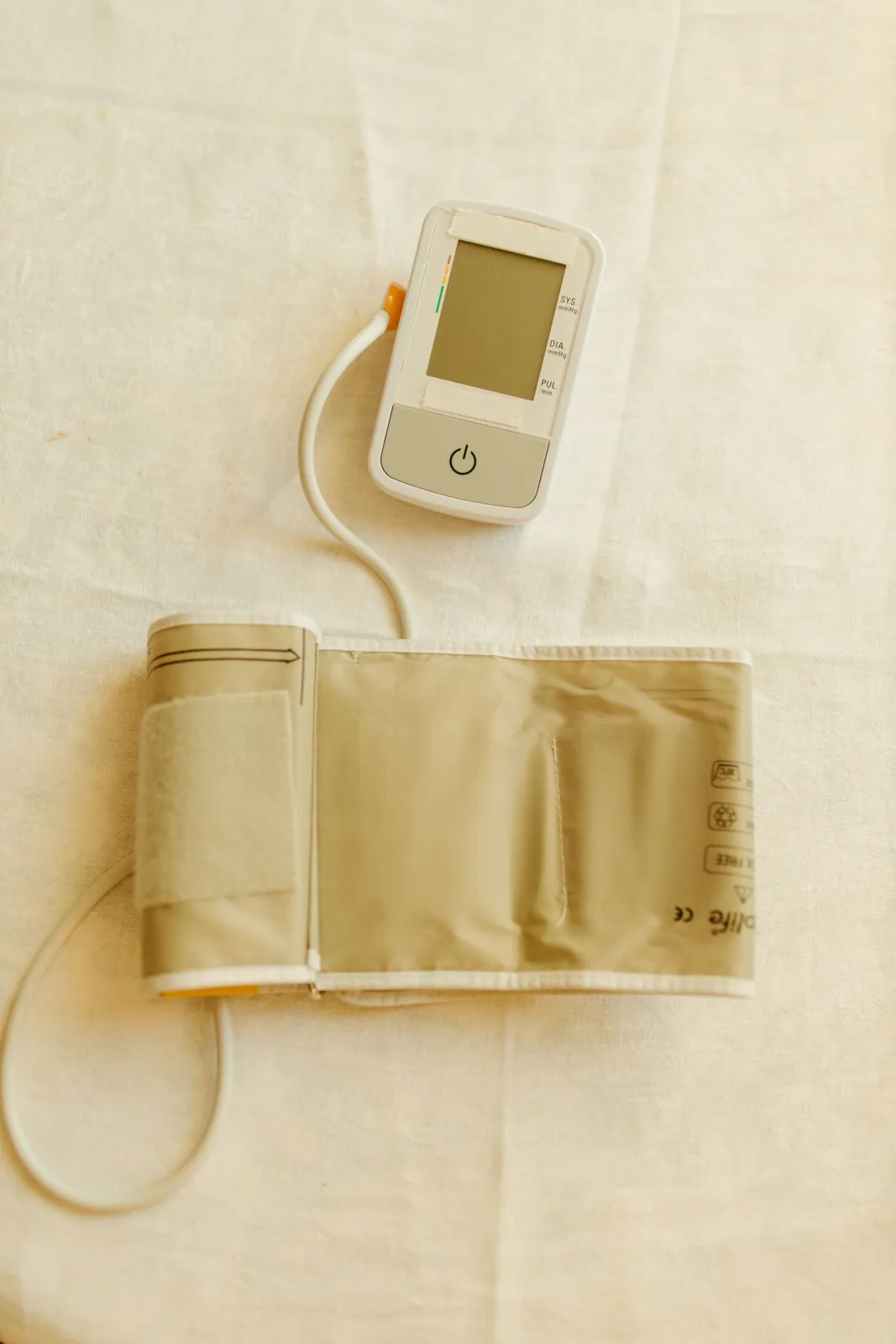
In a 1978 study, 250 mg of caffeine raised adrenaline in the blood by 207% and raised blood pressure within an hour.
Which body systems respond when caffeine raises adrenaline and blood pressure?

In rats and mice, daily caffeine increased the number of adenosine receptors in the brain.
How could extra adenosine receptors change what a daily coffee drinker feels when caffeine wears off?

Claim, evidence, reasoning
In rats and cats, adenosine outside brain cells rose during waking and fell during sleep.
Which claim about adenosine and the balance of sleep and waking has the best support?

Claim, evidence, reasoning
Which evidence backs the claim that adenosine works as a negative feedback signal?
Claim, evidence, reasoning
Which reasoning connects the adenosine measurements to negative feedback?

In a 2013 study, adults took 400 mg of caffeine 6 hours before bed. Use a 5-hour half-life.
About how much of the 400 mg dose was still in the body at bedtime?
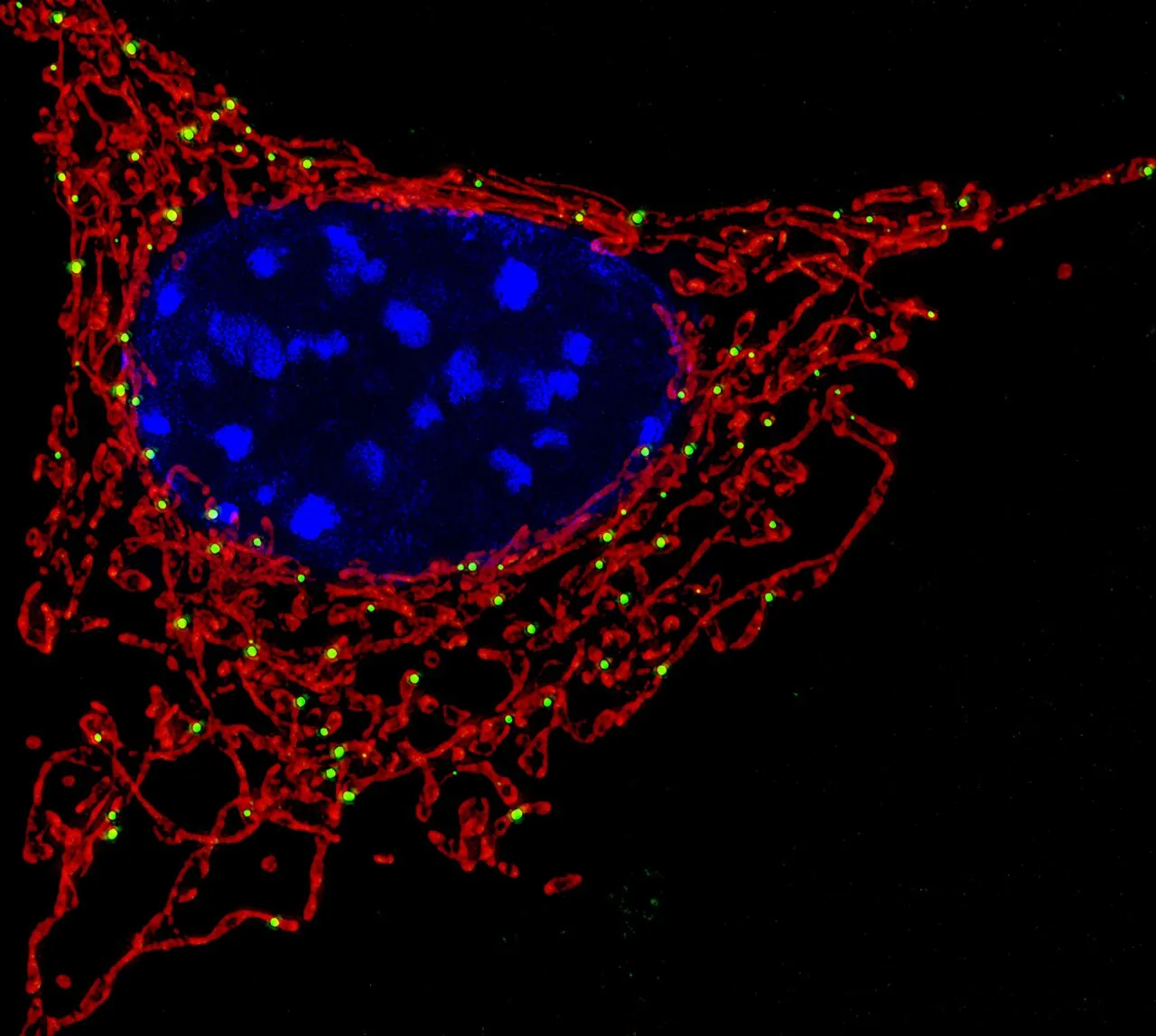
Cellular respiration breaks down food and oxygen and forms ATP, and brain cells make adenosine when brain cells use up ATP.
Why can’t caffeine give cells energy the way food does?

In the video, Raven says coffee is not giving you energy.
What does caffeine do in the brain instead of giving energy?

Why does the tired feeling come back after caffeine clears?
Lesson complete
Today’s word
adenosine
uh-DEN-uh-seen
A molecule made of adenine joined to the sugar ribose. In the brain, adenosine builds up during waking and signals the need for sleep.
Look at these again
You got every question right the first time.
Sources
- Christopher Drake, Timothy Roehrs, John Shambroom and Thomas Roth, Henry Ford Hospital Sleep Disorders & Research Center in Detroit, Journal of Clinical Sleep Medicine, 2013
- Review by Carolin Reichert (University Psychiatric Clinics Basel), Tom Deboer (Leiden University Medical Center) and Hans-Peter Landolt (University of Zürich), Journal of Sleep Research, 2022
- Review by Jennifer Temple (University at Buffalo) with colleagues at Aix Marseille University and Wayne State University, Frontiers in Psychiatry, 2017
- D. Robertson, J. A. Oates and colleagues, New England Journal of Medicine, 1978
- J. P. DiMarco and the Adenosine for PSVT Study Group, led from the University of Virginia, Annals of Internal Medicine, 1990
- J. A. Nathanson, Science, 1984
- ChEBI records in PubChem, Caffeine and adenosine
- Vision and Change core concepts and competencies, as summarized in Brownell and others, CBE Life Sciences Education, 2014
- Emergency use of adenosine, Gebril and Hawes, Emergency Medicine Journal, 2012
- Word origins from Dictionary.com: adenosine, adenine, adeno-, ribose, arabinose, gum arabic, -ine, caffeine, coffee, adenoid, receptor, antagonist, antagonize
- Spanish and French spellings from Wiktionary
- Instagram original of the video, not linked because Instagram needs a login
- Transcript from the posted video on YouTube