Coffee and Your Brain, Middle school
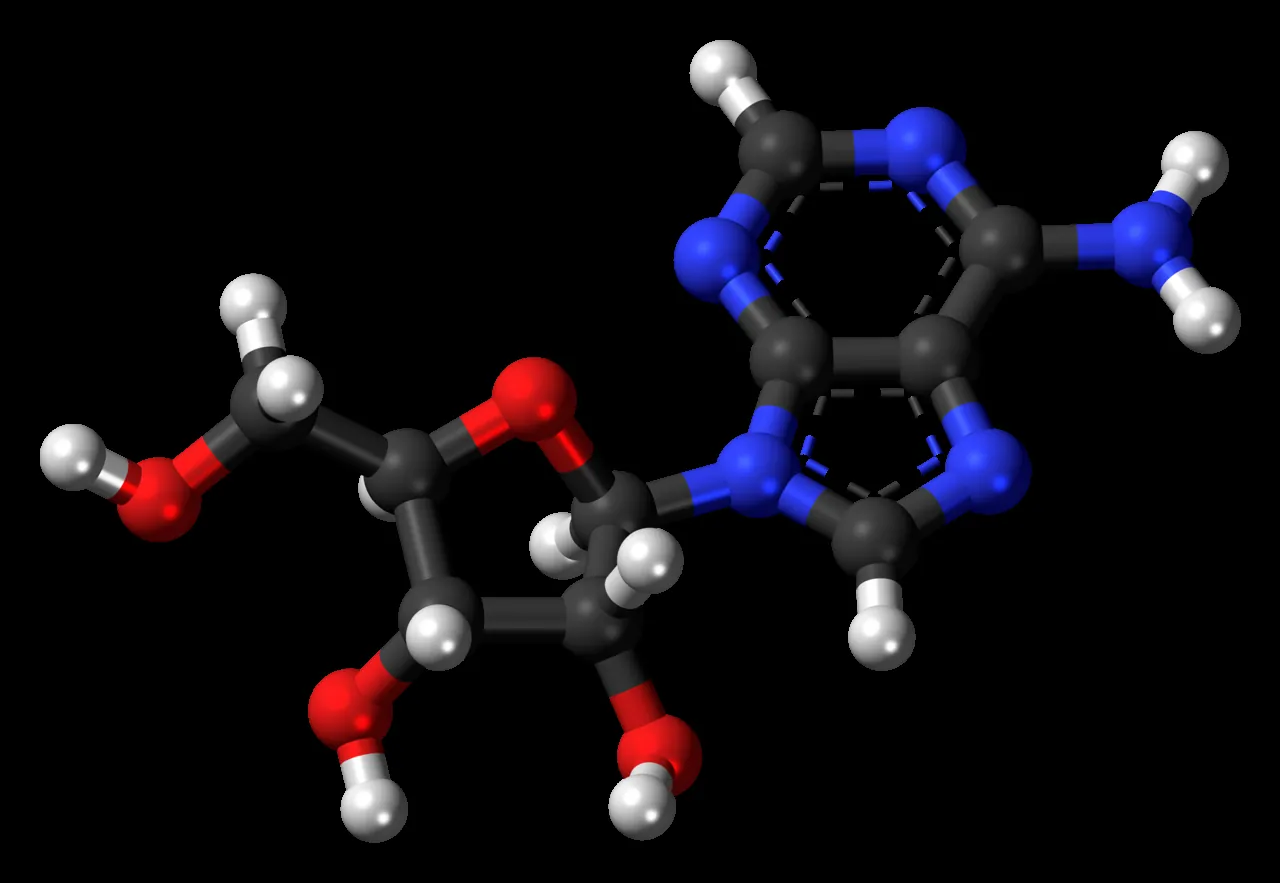
Your word of the day is
uh-DEN-uh-seen
A molecule found in all living cells. In the brain, adenosine builds up while you’re awake and helps signal that you’re tired.

Adenosine builds up in your brain while you are awake.
As adenosine builds up, what message does it send the brain?
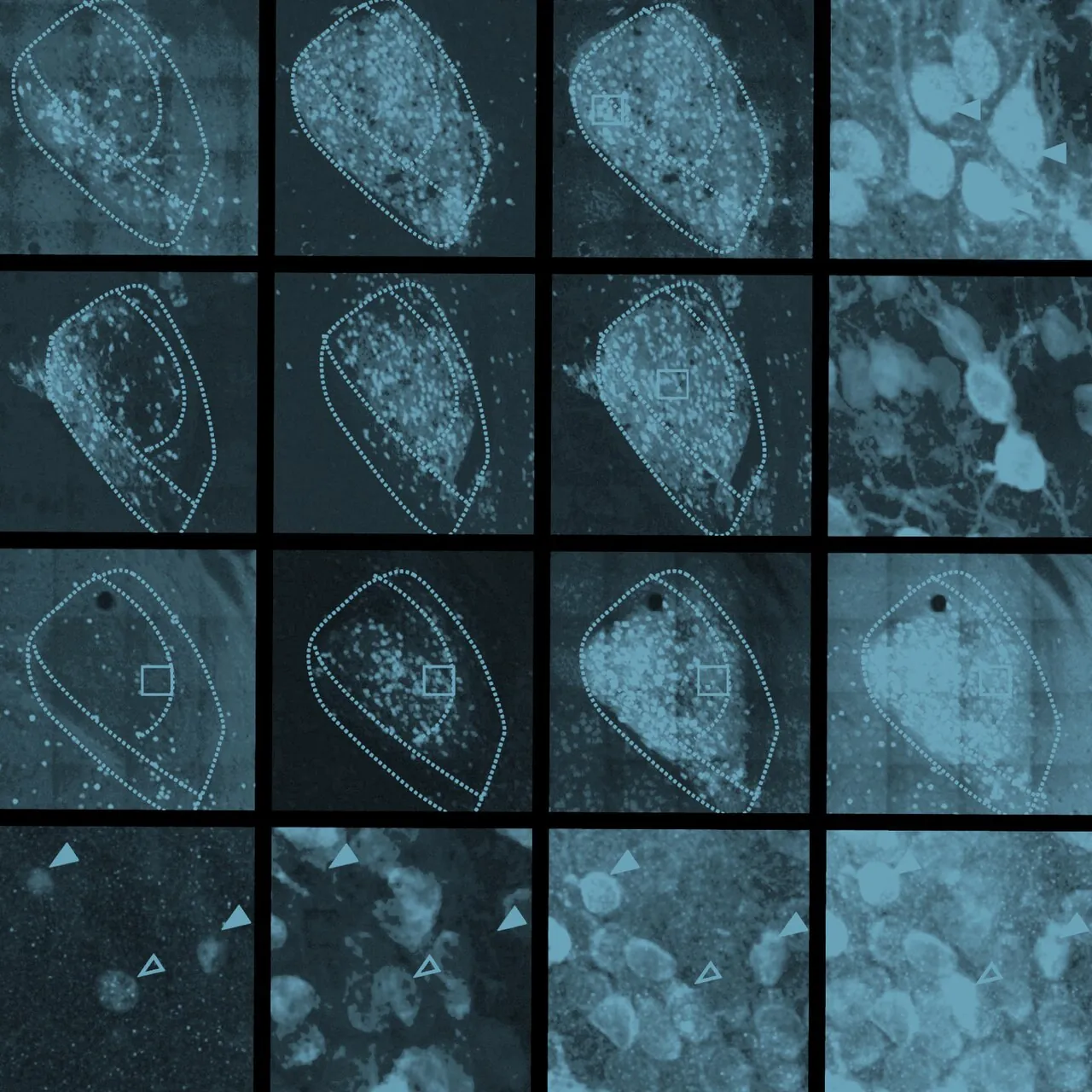
Adenosine sends its message by fitting into receptors on brain cells. In the video, Raven says caffeine is shaped enough like adenosine to sit in the same receptors.
What happens to the tired message when caffeine takes adenosine’s seat?

Adenosine keeps building up while caffeine sits in the receptors.
What happens when caffeine leaves adenosine’s receptors?
When you drink coffee, caffeine moves from your small intestine into your blood.
The small intestine, where caffeine enters the blood, belongs to the ____ system.
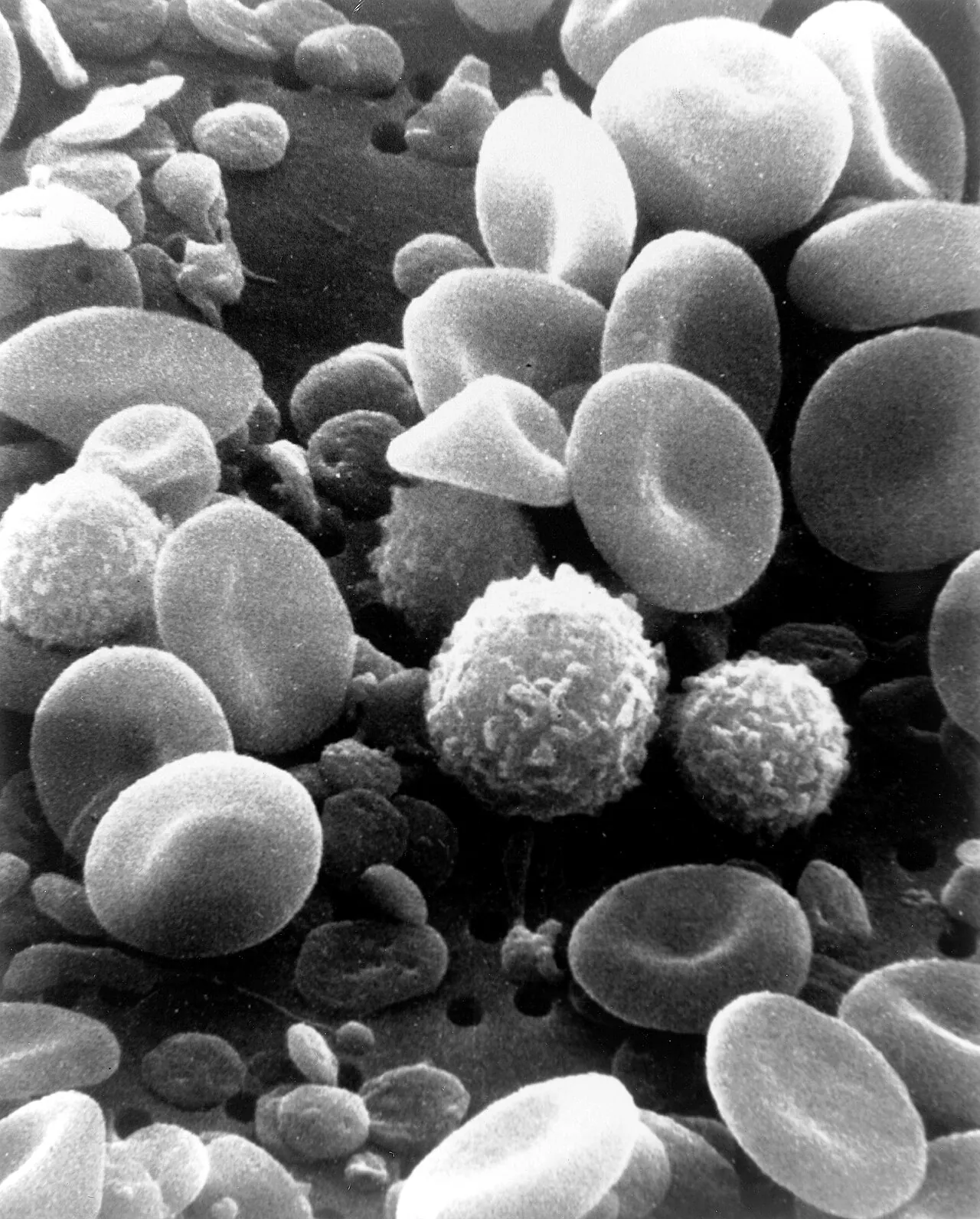
Your blood carries caffeine to your brain and your heart.
Blood carries caffeine around the body in the ____ system.

In the video, Raven says coffee is not giving you energy.
What does the caffeine in coffee do in your brain instead of giving you energy?
Lesson complete
Today’s word
adenosine
uh-DEN-uh-seen
A molecule found in all living cells. In the brain, adenosine builds up while you’re awake and helps signal that you’re tired.
Look at these again
You got every question right the first time.
Sources
- Christopher Drake, Timothy Roehrs, John Shambroom and Thomas Roth, Henry Ford Hospital Sleep Disorders & Research Center in Detroit, Journal of Clinical Sleep Medicine, 2013
- Review by Carolin Reichert (University Psychiatric Clinics Basel), Tom Deboer (Leiden University Medical Center) and Hans-Peter Landolt (University of Zürich), Journal of Sleep Research, 2022
- Review by Jennifer Temple (University at Buffalo) with colleagues at Aix Marseille University and Wayne State University, Frontiers in Psychiatry, 2017
- D. Robertson, J. A. Oates and colleagues, New England Journal of Medicine, 1978
- J. P. DiMarco and the Adenosine for PSVT Study Group, led from the University of Virginia, Annals of Internal Medicine, 1990
- J. A. Nathanson, Science, 1984
- ChEBI records in PubChem, Caffeine and adenosine
- Vision and Change core concepts and competencies, as summarized in Brownell and others, CBE Life Sciences Education, 2014
- Emergency use of adenosine, Gebril and Hawes, Emergency Medicine Journal, 2012
- Word origins from Dictionary.com: adenosine, adenine, adeno-, ribose, arabinose, gum arabic, -ine, caffeine, coffee, adenoid, receptor, antagonist, antagonize
- Spanish and French spellings from Wiktionary
- Instagram original of the video, not linked because Instagram needs a login
- Transcript from the posted video on YouTube