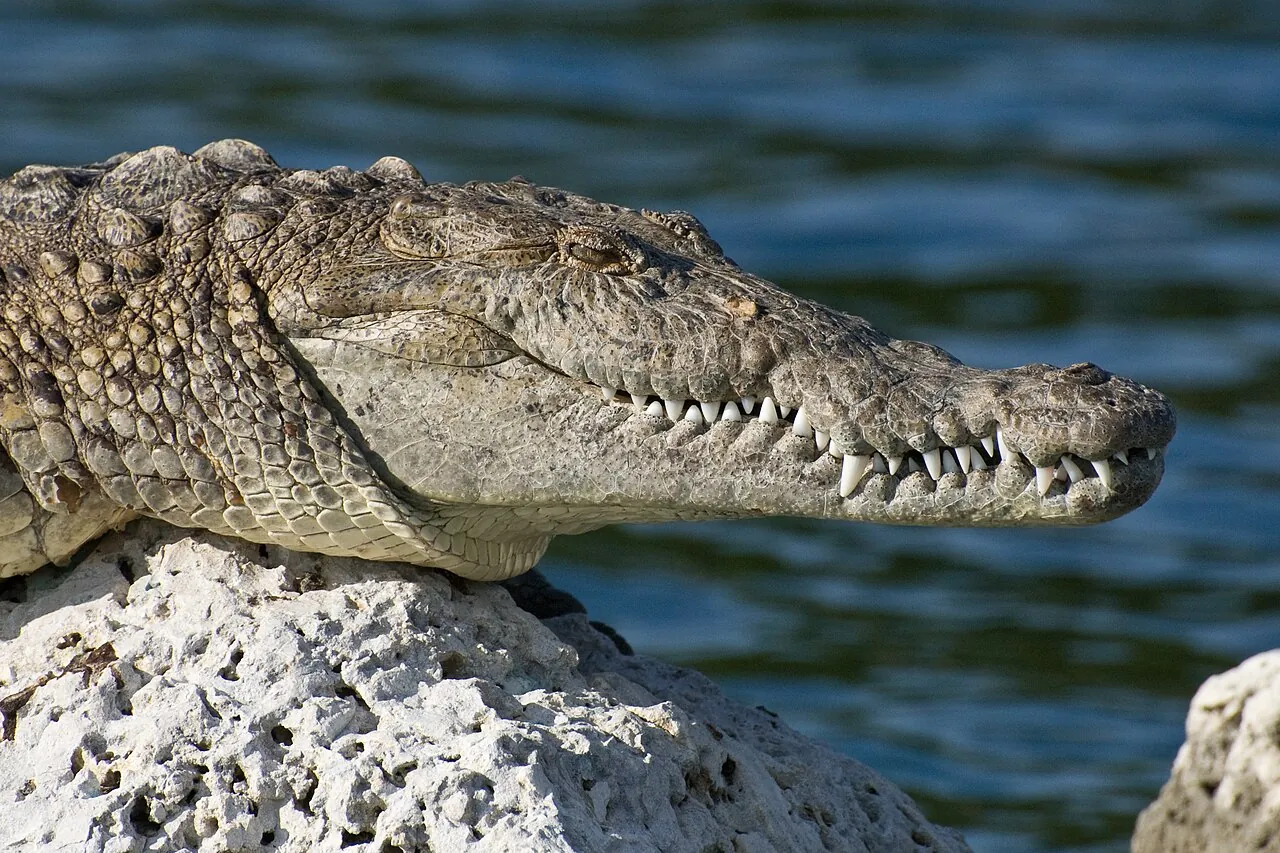
Coquita the Crocodile, College
Your word of the day is
par-theh-no-JEN-uh-sis
An egg develops into a baby without sperm fertilizing the egg.
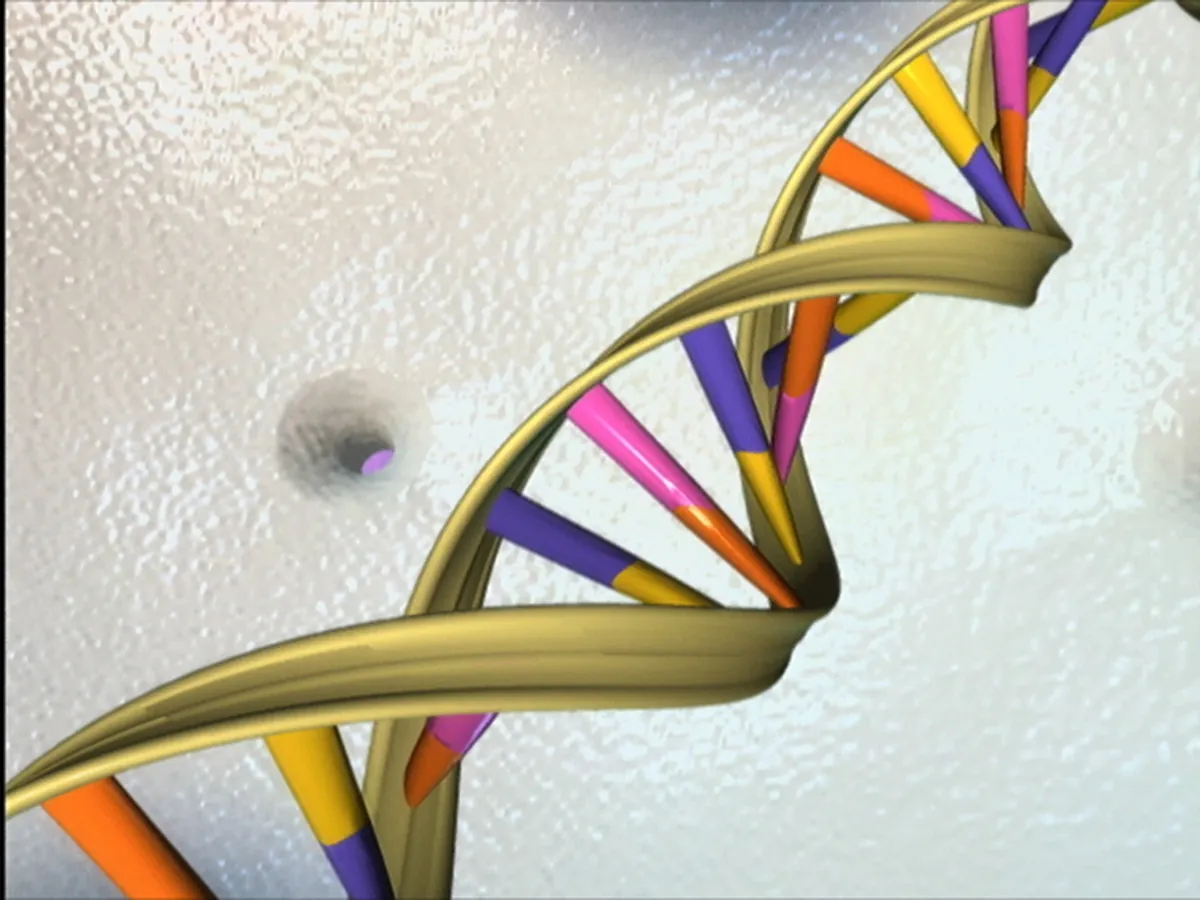
A heterozygous site is a spot where Coquita carried two different versions of a DNA letter. A clone would keep 100% of those sites mixed.
Before you read the paper, make a guess. What percent of Coquita’s heterozygous sites stayed heterozygous in her baby? Write one sentence on why you think so.
Hint
In video 2, Raven says that at every spot where Coquita carried one working copy and one broken copy, her baby got two of the same.
Read the paper
Booth and others, “Discovery of facultative parthenogenesis in a new world crocodile,” Biology Letters, 2023. The paper is free to read.
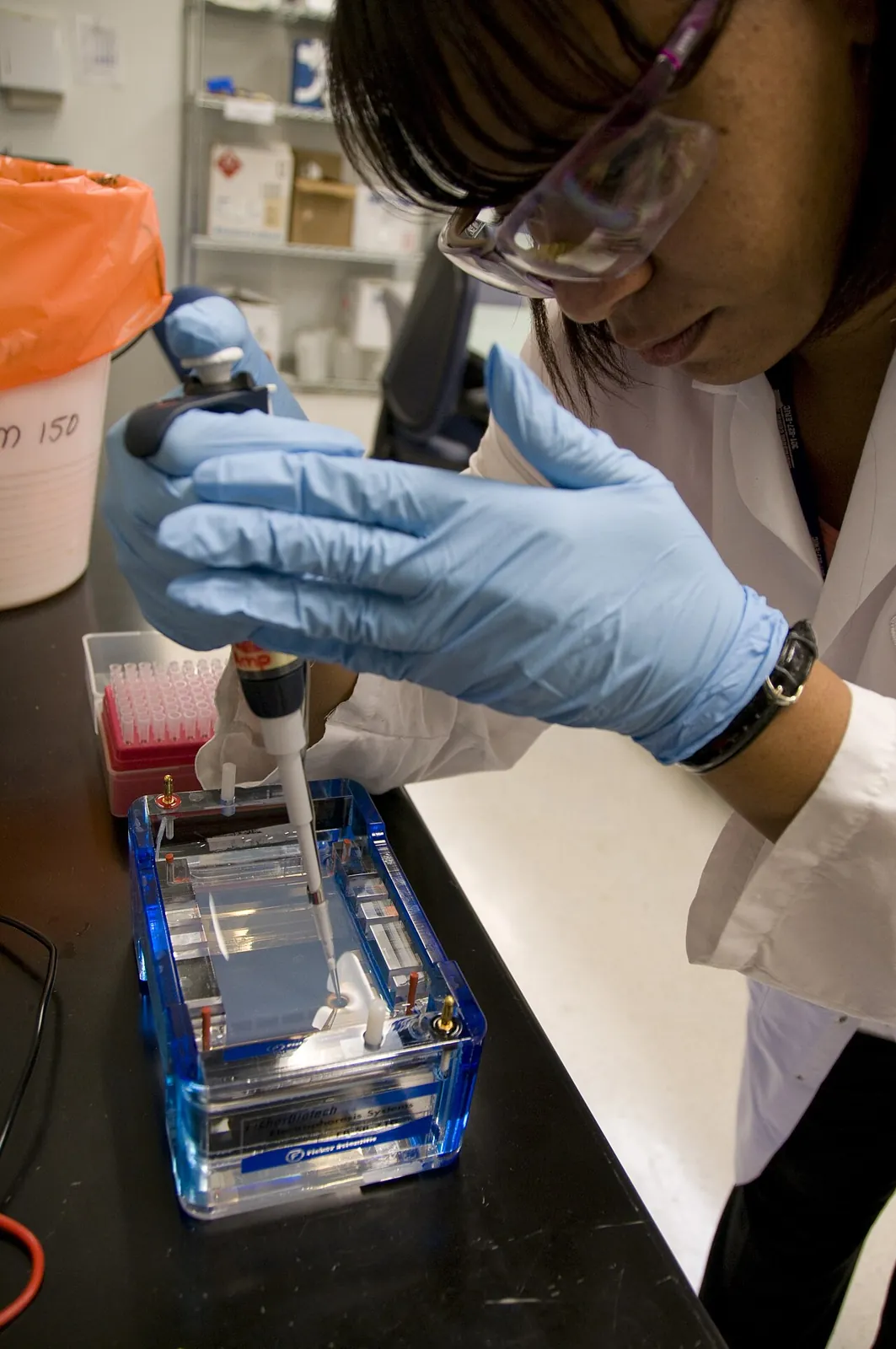
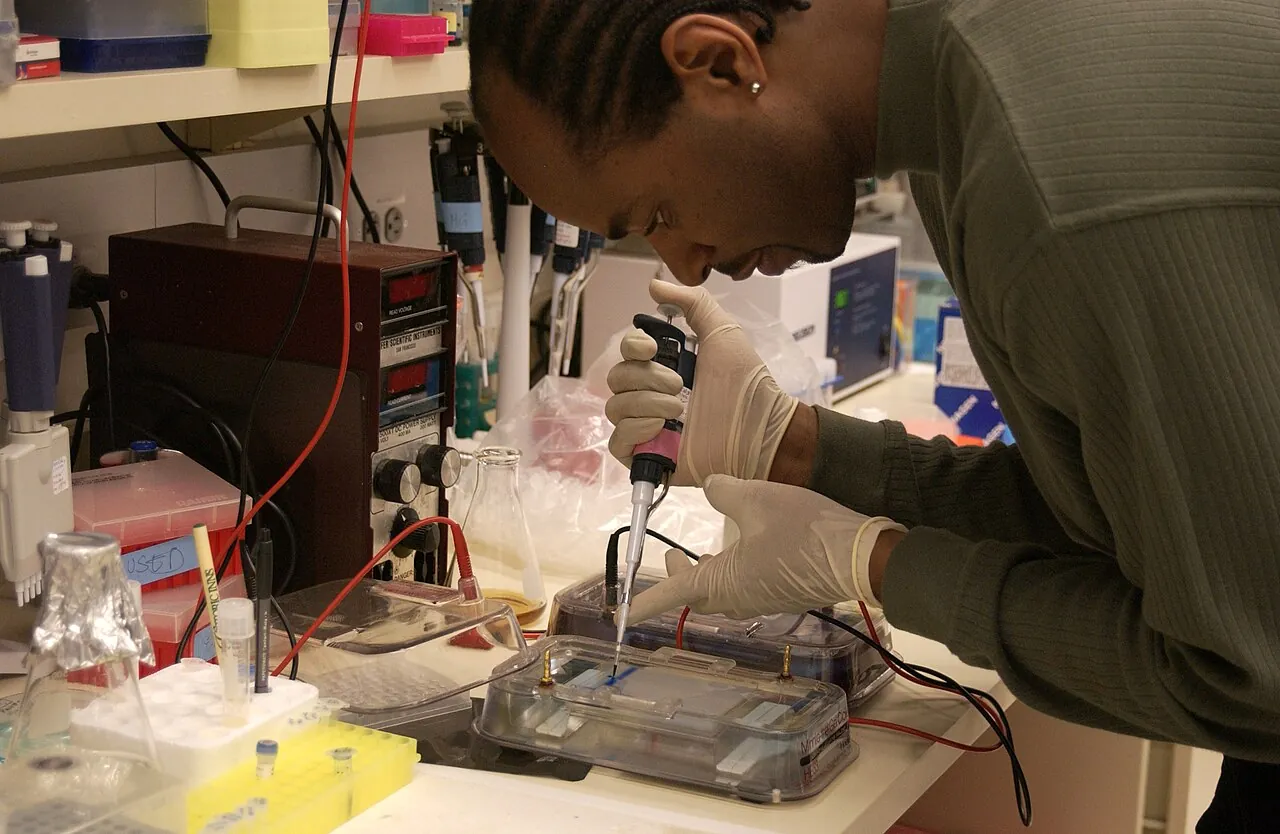
Warren Booth’s team sequenced the genomes of Coquita and her baby. Table 1 of their paper counts the spots where Coquita carried two different versions of a DNA letter (her heterozygous sites) and how many of those spots stayed mixed in her baby. Each dataset uses sites spaced at least 10,000, 25,000 or 50,000 DNA letters apart.
| Dataset spacing | Coquita’s mixed sites | Still mixed in the baby | Percent still mixed |
|---|---|---|---|
| 10,000 letters | 5,015 | 152 | |
| 25,000 letters | 2,023 | 76 | |
| 50,000 letters | 1,026 | 34 |
Table 1 of the paper gives three datasets, with sites spaced 10,000, 25,000 or 50,000 DNA letters apart.
In the 10,000-letter dataset, 152 of Coquita’s 5,015 mixed sites stayed mixed in her baby. What percent stayed mixed? ____
See the table
| Dataset spacing | Coquita’s mixed sites | Still mixed in the baby | Percent still mixed |
|---|---|---|---|
| 10,000 letters | 5,015 | 152 | |
| 25,000 letters | 2,023 | 76 | |
| 50,000 letters | 1,026 | 34 |
In the 50,000-letter dataset, 34 of Coquita’s 1,026 mixed sites stayed mixed in her baby. What percent stayed mixed? ____
See the table
| Dataset spacing | Coquita’s mixed sites | Still mixed in the baby | Percent still mixed |
|---|---|---|---|
| 10,000 letters | 5,015 | 152 | |
| 25,000 letters | 2,023 | 76 | |
| 50,000 letters | 1,026 | 34 |
Why would the Coquita research team run the same test with sites spaced 10,000, 25,000 and 50,000 DNA letters apart?
See the table
| Dataset spacing | Coquita’s mixed sites | Still mixed in the baby | Percent still mixed |
|---|---|---|---|
| 10,000 letters | 5,015 | 152 | |
| 25,000 letters | 2,023 | 76 | |
| 50,000 letters | 1,026 | 34 |
If Coquita’s egg had fused with the first polar body (central fusion), the baby would keep more than 33% of its mother’s mixed sites. If it fused with the second polar body (terminal fusion), it would keep less.
Which mechanism do the Table 1 data support?
See the table
| Dataset spacing | Coquita’s mixed sites | Still mixed in the baby | Percent still mixed |
|---|---|---|---|
| 10,000 letters | 5,015 | 152 | |
| 25,000 letters | 2,023 | 76 | |
| 50,000 letters | 1,026 | 34 |
Figure 2 of the paper maps the reptile lineages with documented facultative parthenogenesis and connects them to birds.
Which origin of facultative parthenogenesis do the authors of the Coquita paper favor?
See the table
| Dataset spacing | Coquita’s mixed sites | Still mixed in the baby | Percent still mixed |
|---|---|---|---|
| 10,000 letters | 5,015 | 152 | |
| 25,000 letters | 2,023 | 76 | |
| 50,000 letters | 1,026 | 34 |
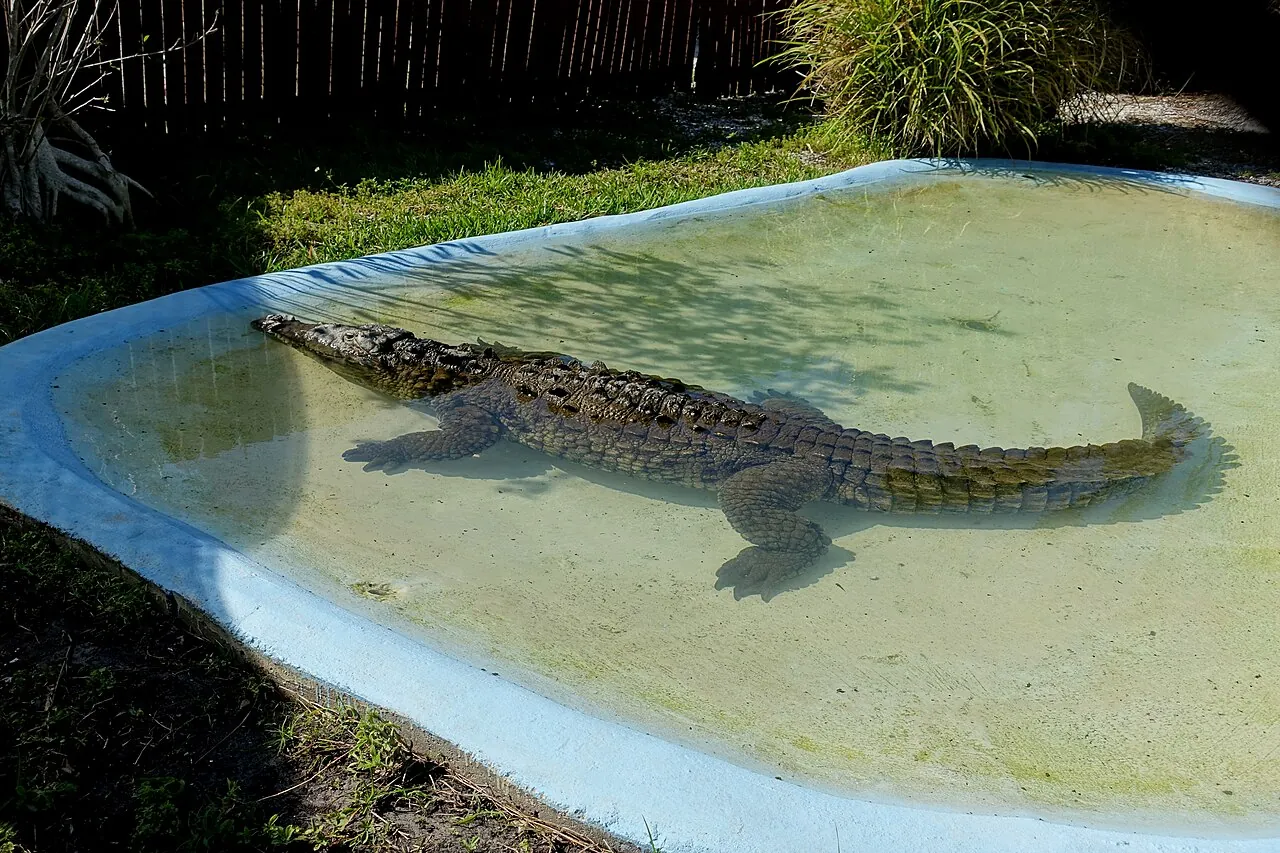
Which finding would best support a single shared origin of facultative parthenogenesis over separate origins?
See the table
| Dataset spacing | Coquita’s mixed sites | Still mixed in the baby | Percent still mixed |
|---|---|---|---|
| 10,000 letters | 5,015 | 152 | |
| 25,000 letters | 2,023 | 76 | |
| 50,000 letters | 1,026 | 34 |
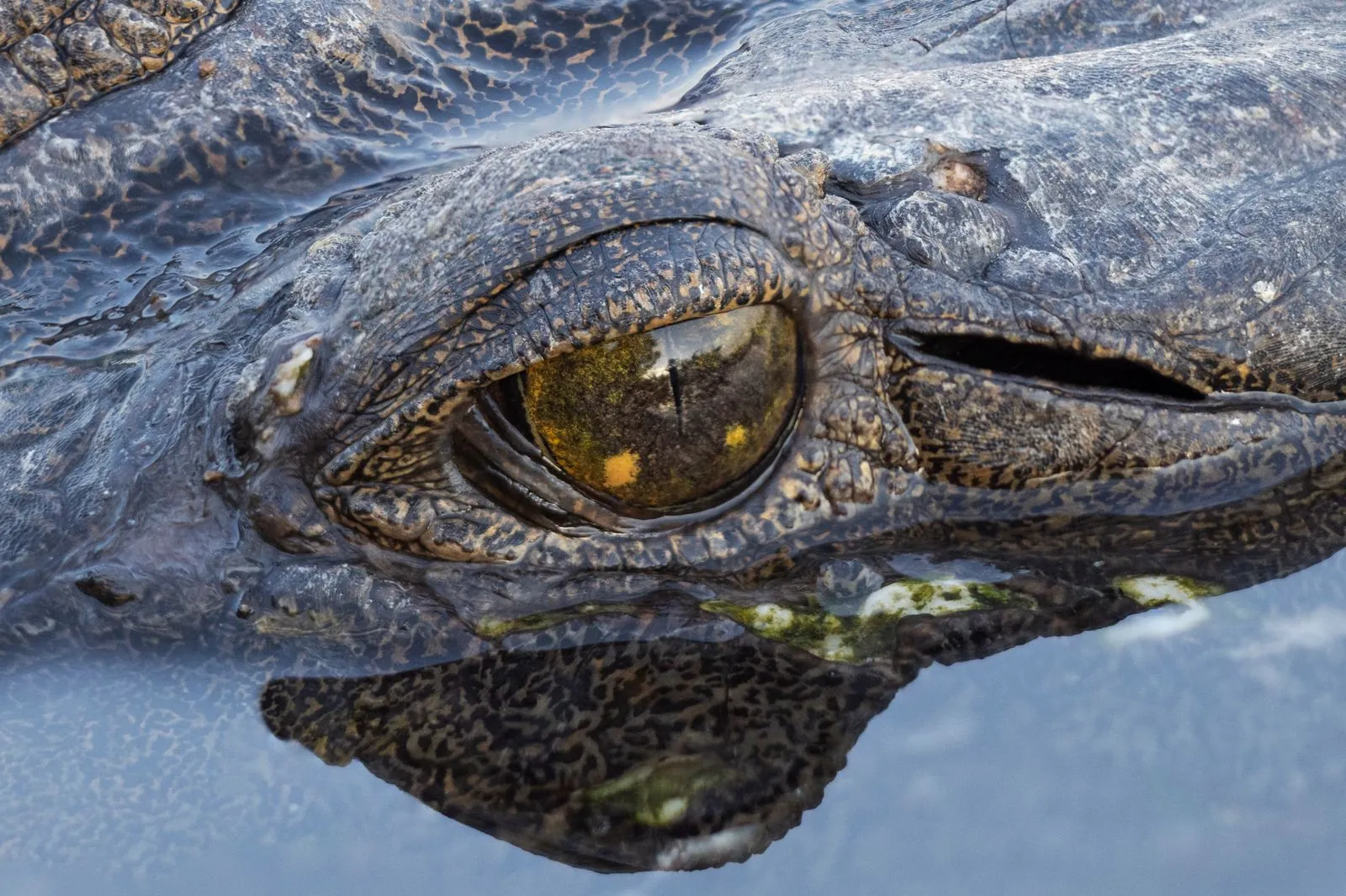
The authors suggest zoos test eggs from isolated females instead of throwing them away.
What should a zoo caring for a vulnerable species do with eggs from females kept alone?
See the table
| Dataset spacing | Coquita’s mixed sites | Still mixed in the baby | Percent still mixed |
|---|---|---|---|
| 10,000 letters | 5,015 | 152 | |
| 25,000 letters | 2,023 | 76 | |
| 50,000 letters | 1,026 | 34 |
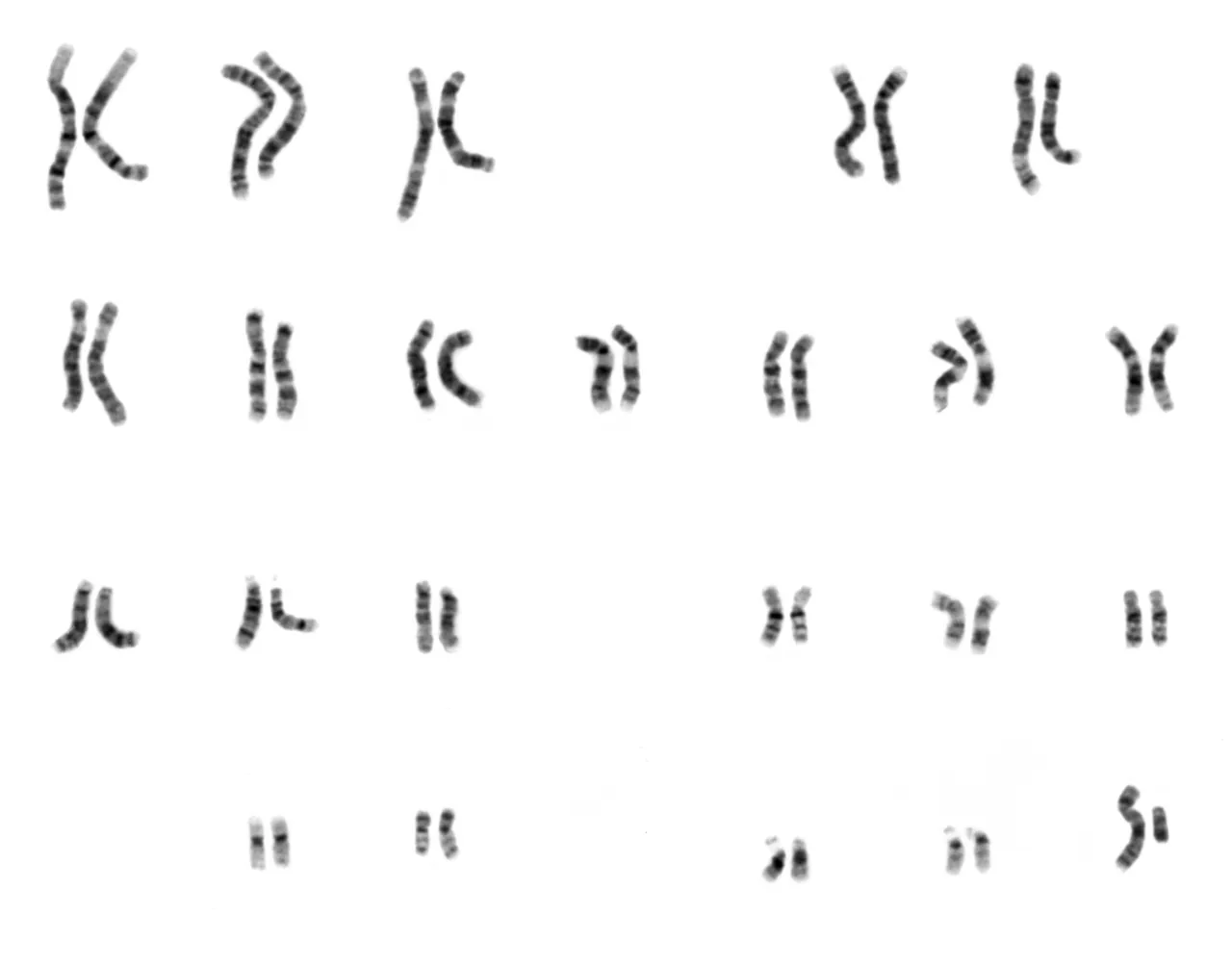
Lesson complete
Today’s word
parthenogenesis
par-theh-no-JEN-uh-sis
An egg develops into an embryo without fertilization.
Look at these again
You got every question right the first time.
Sources
- Booth and others, Biology Letters, 2023
- Card and others, Scientific Reports, 2021 (king cobra)
- Vision and Change core concepts and competencies, as summarized in Brownell and others, CBE Life Sciences Education, 2014
- Word origins from Dictionary.com: parthenogenesis, homozygous, gene, hydrogen
- Mark Cartwright, “Parthenon,” World History Encyclopedia
- Spanish and French spellings from Wiktionary