← Exit
  1. Predict
  2. Watch
  3. Word of the day
  4. Questions
  5. Claim it
  6. Going further
  7. Exit ticket

Coquita the Crocodile, High school
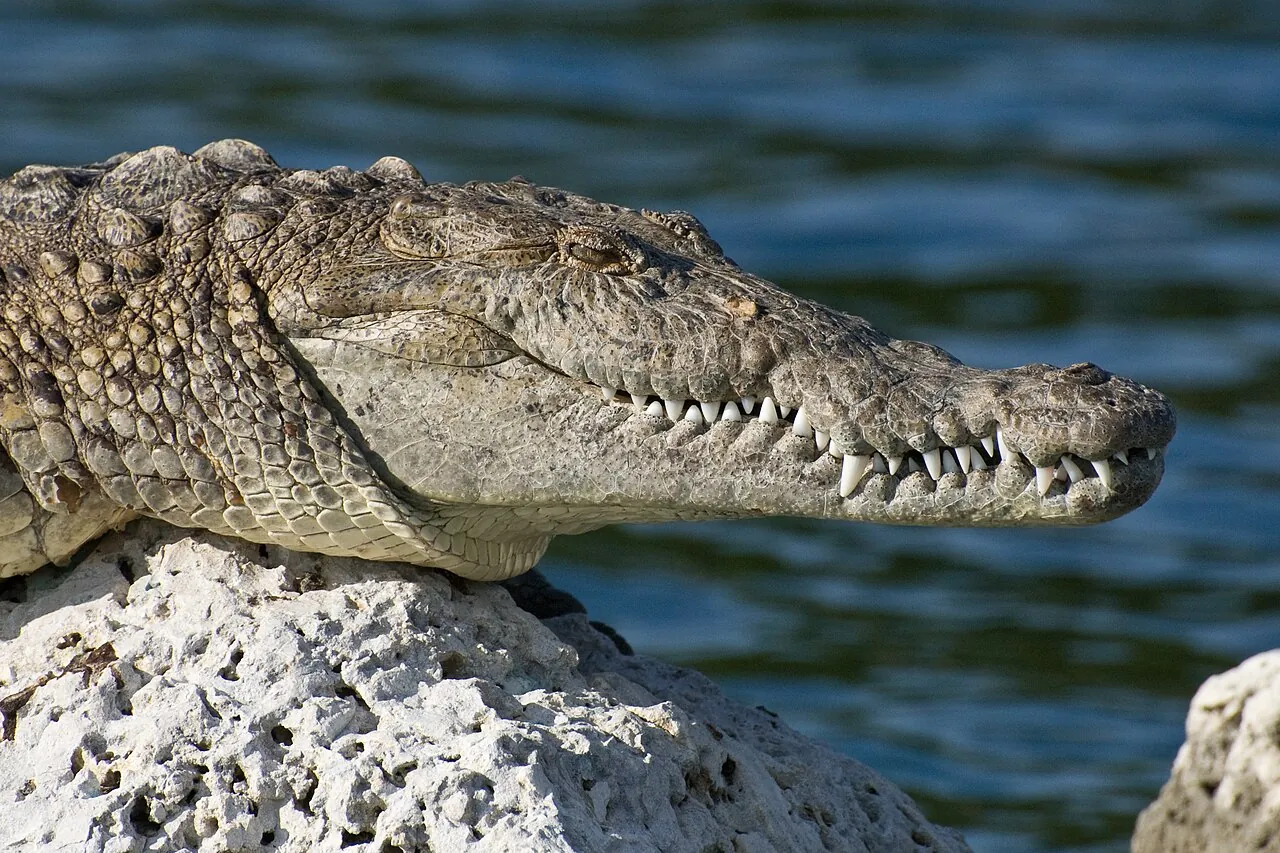
A wild American crocodile resting on a riverbank

Coquita the crocodile lived alone at a reptile park in Costa Rica for 16 years. She never met a male. Then she laid 14 eggs.

Could one of those eggs have a baby inside?

Video 1. Virgin birth in a crocodile

Coquita is an American crocodile who lived alone at a reptile park in Costa Rica for 16 years. In 2018 she laid 14 eggs, and one held a fully formed baby with no father’s DNA. Scientists call this parthenogenesis.

Video 2. Coquita’s virgin birth is not a clone

Coquita’s baby got all of its DNA from her, but the baby was not a clone. Her egg ended up with two matching copies of almost every gene instead of one copy from each parent. Where Coquita carried one working copy and one broken copy of a gene, her baby got two of the same.

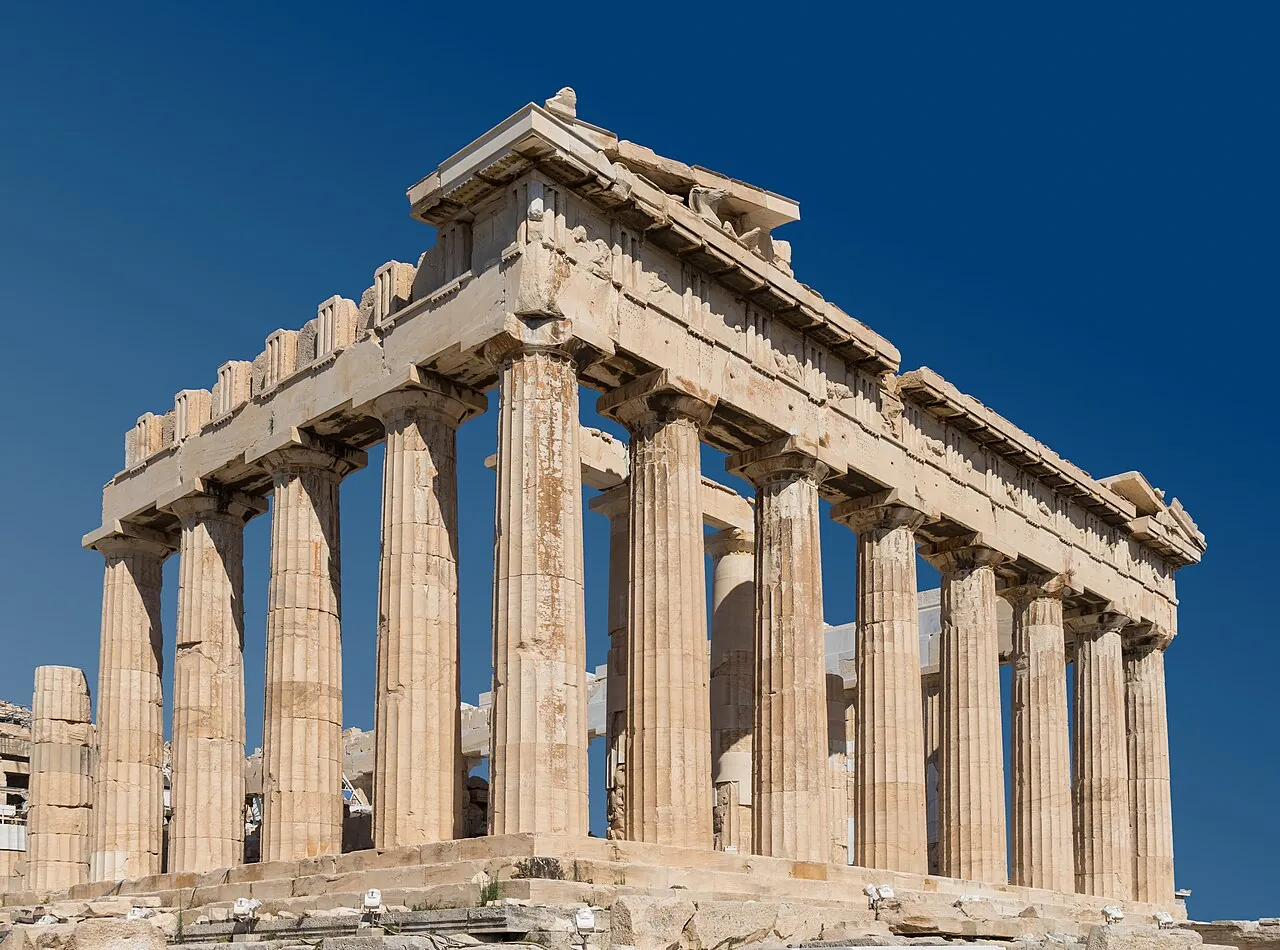
The Parthenon in Athens
The Parthenon in Athens took its name from Athena Parthenos, “Athena the Virgin.”

Your word of the day is

par-theh-no-JEN-uh-sis

partheno-maiden, virginfrom Greek parthénos
-genesisorigin, birthfrom Greek génesis

An egg develops into a baby without sperm fertilizing the egg.
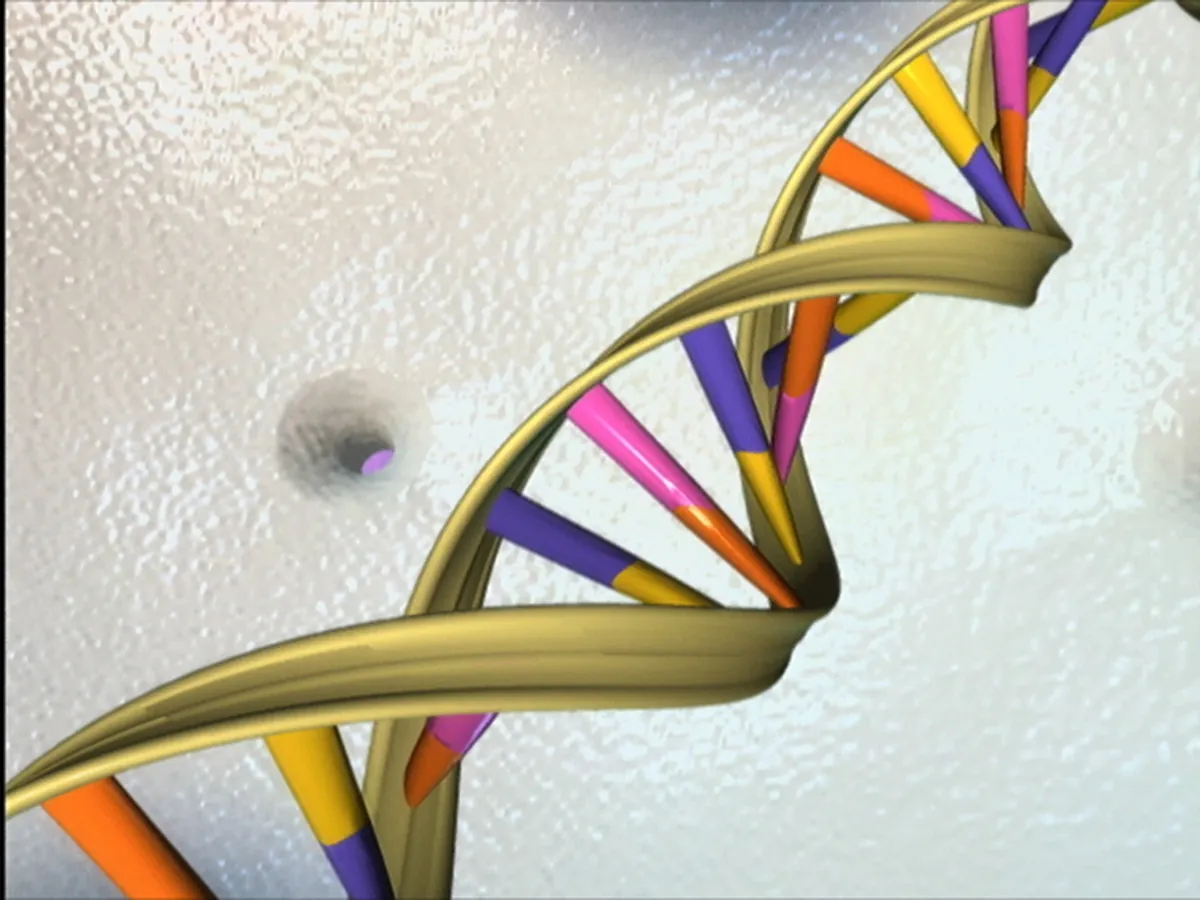
A drawing of a DNA double helix

Coquita’s baby matched her at more than 99.9% of the spots where she carried two identical copies of a gene.

Why isn’t Coquita’s baby a clone of Coquita?
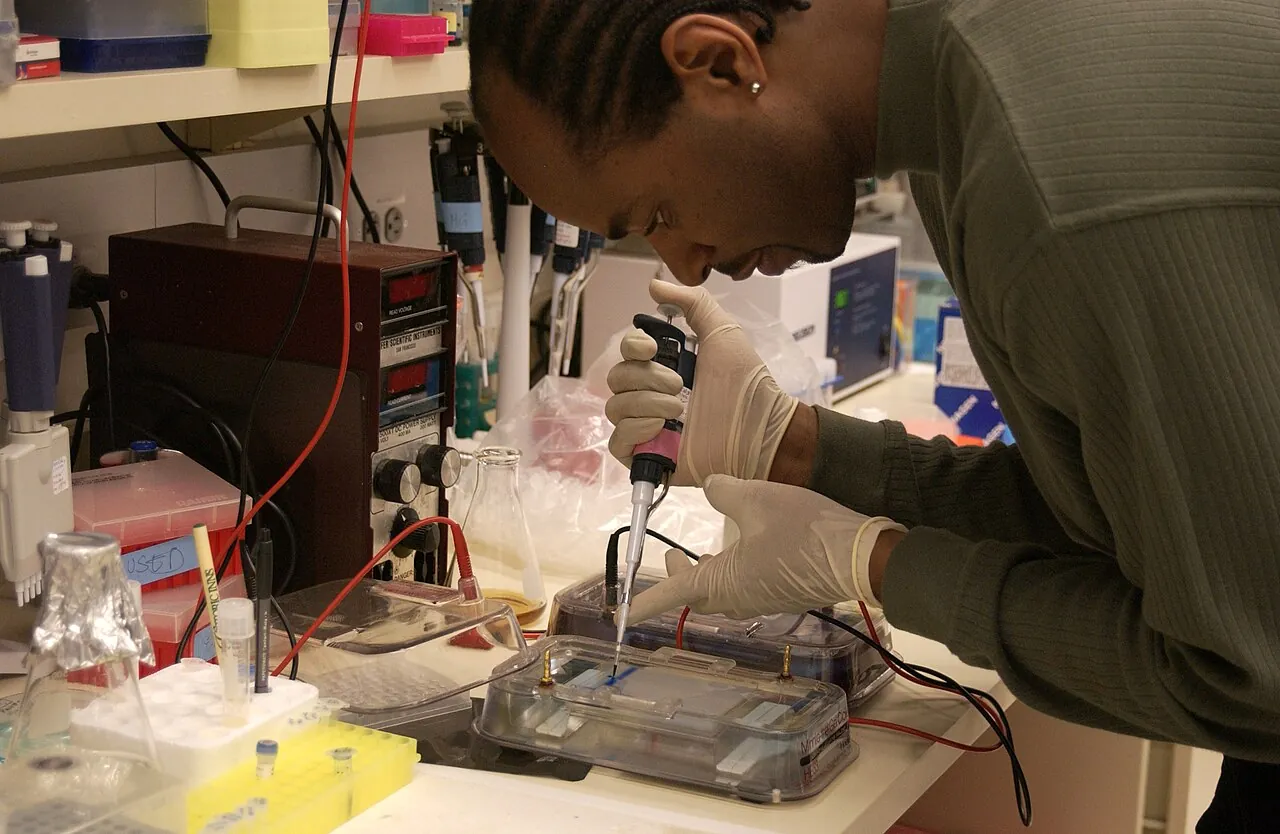
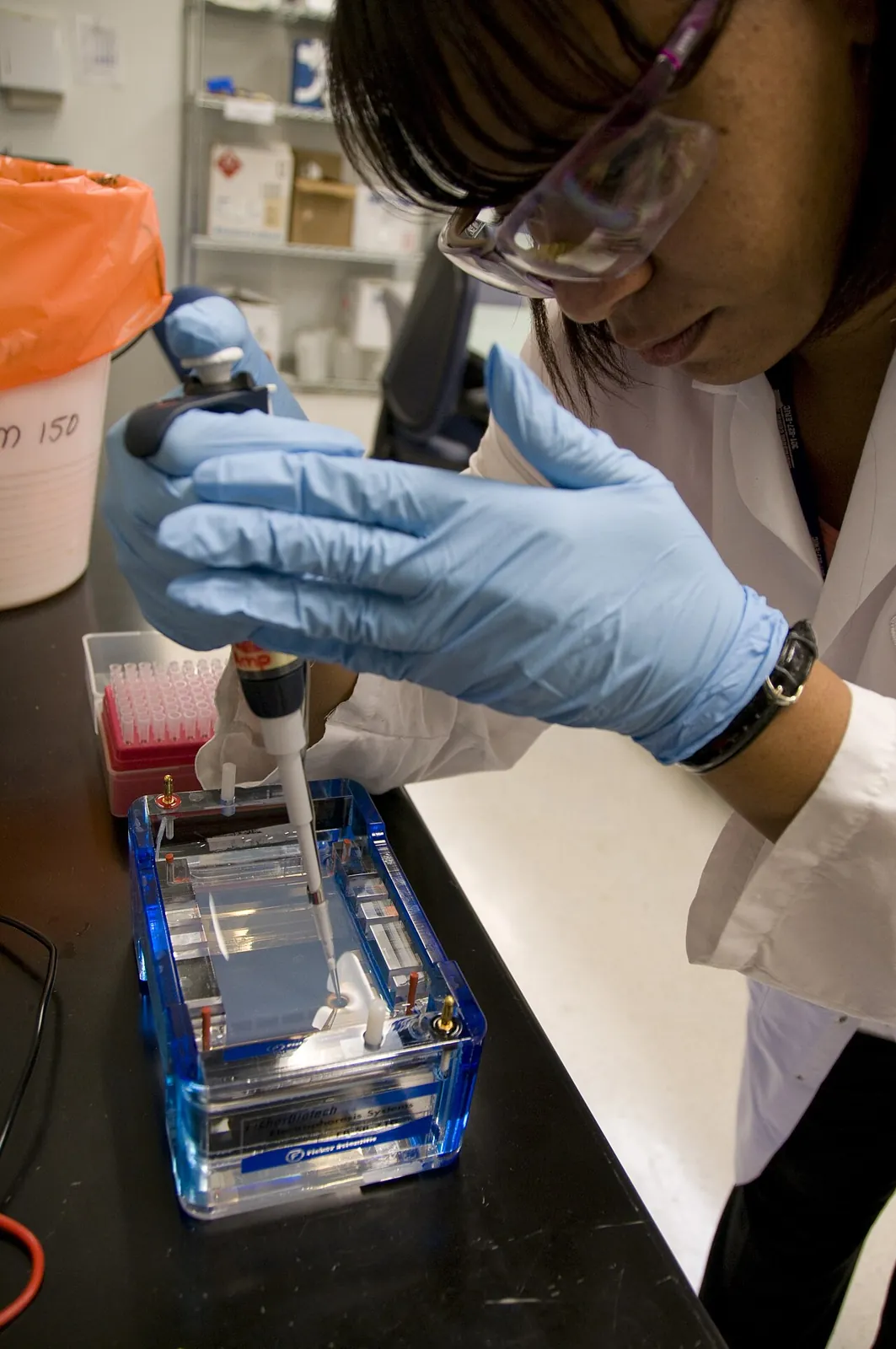
A scientist loading DNA samples into a gel to test them

Many female reptiles can store sperm for years.

Which fact about Coquita’s life at the park argues against stored sperm?
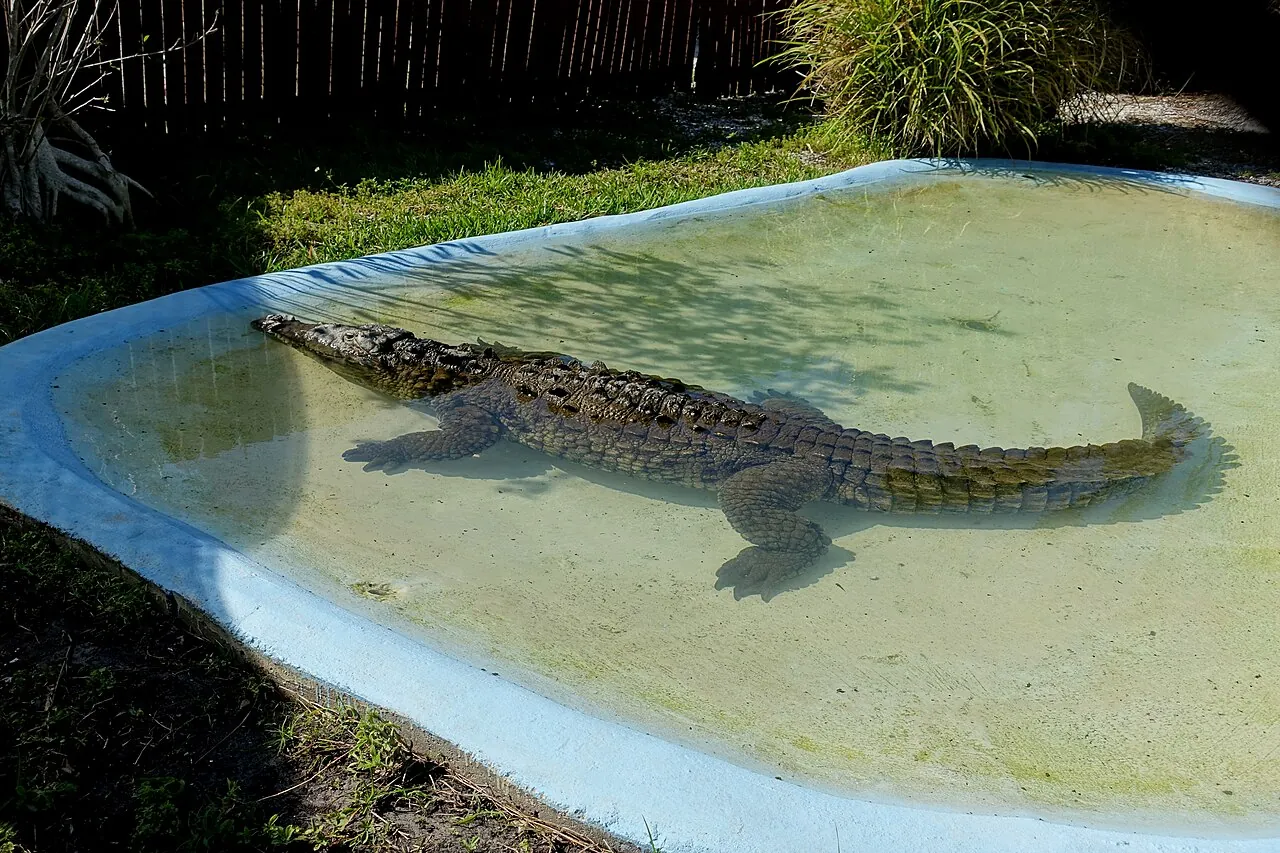
An American crocodile at a reptile park

What did scientists find in the DNA of Coquita’s baby that rules out stored sperm?
A crocodile lying still on rocks by the water

Coquita’s baby is homozygous at almost every gene, meaning both copies of each gene match.

What can happen to Coquita’s baby at a gene where Coquita carries one working copy and one broken copy?

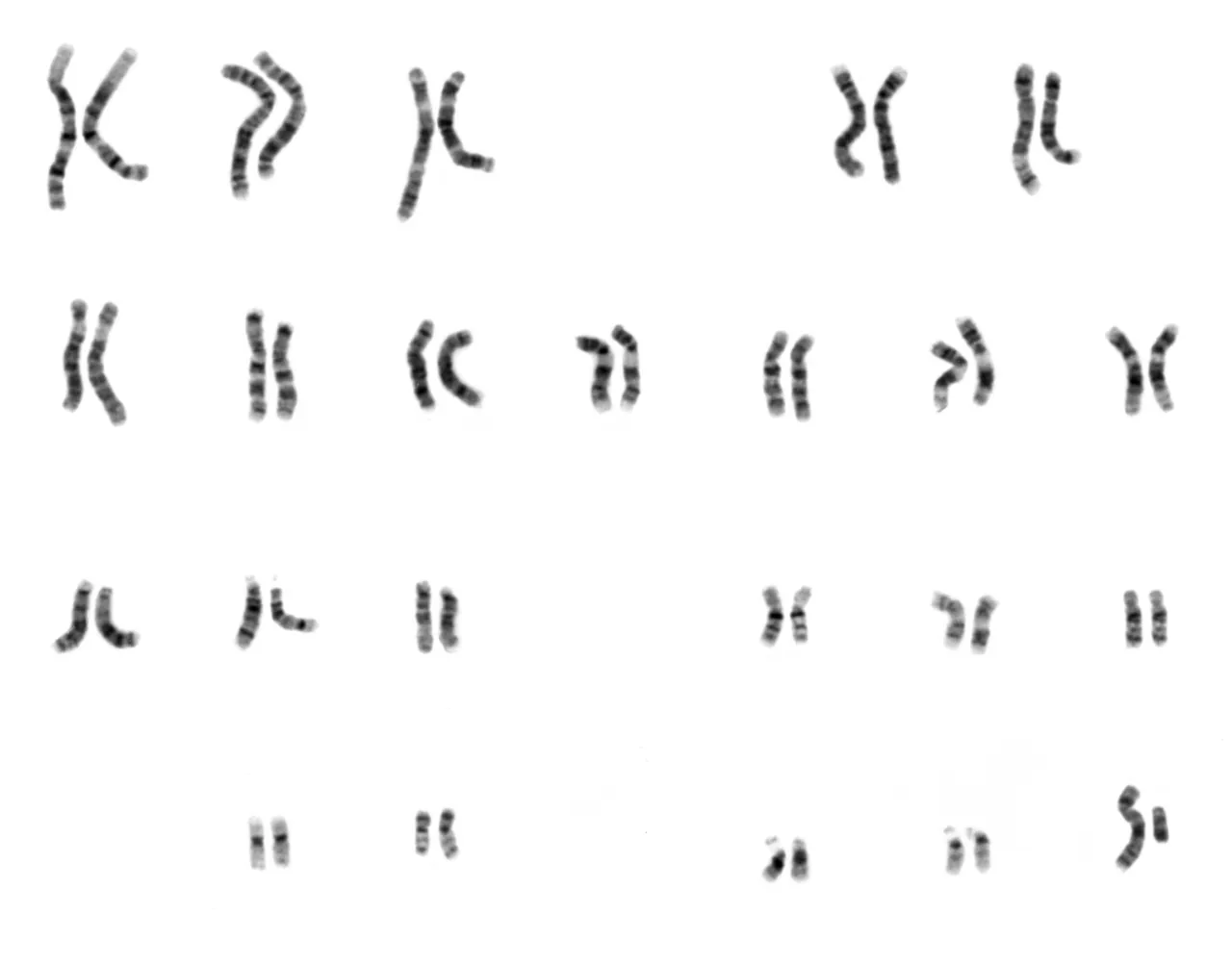
A chart of all the chromosomes in one human cell

The scientists who studied Coquita say zoos should check eggs from females kept alone instead of throwing them away.

Why would checking eggs from lone females help a vulnerable species like the American crocodile?
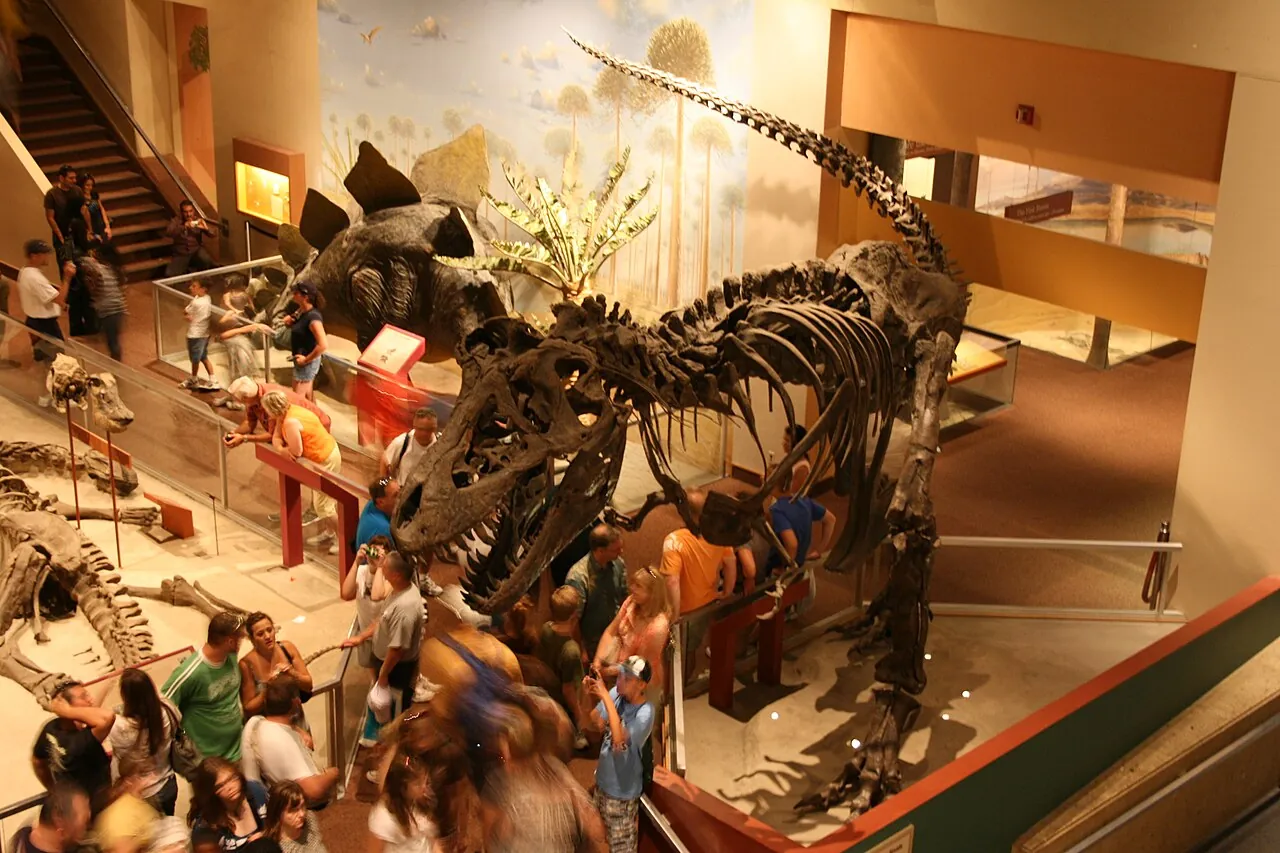
A Tyrannosaurus rex skeleton at the Smithsonian

Claim, evidence, reasoning

Coquita’s baby still kept about 3% of Coquita’s mixed pairs.

Which claim best explains where the leftover mixed pairs in Coquita’s baby came from?
A close-up of a crocodile in the water

Claim, evidence, reasoning

Which evidence best backs the claim that crossing over left mixed pairs in Coquita’s baby?

Close-up of an American crocodile’s snout and teeth

Claim, evidence, reasoning

Which reasoning connects crossing over to the leftover mixed pairs in Coquita’s baby?
A scientist preparing DNA samples for testing

Crocodiles and birds, the two living branches of the archosaurs, can both reproduce without a mate.

Why do crocodiles and birds hint that Tyrannosaurus could have reproduced without a mate?
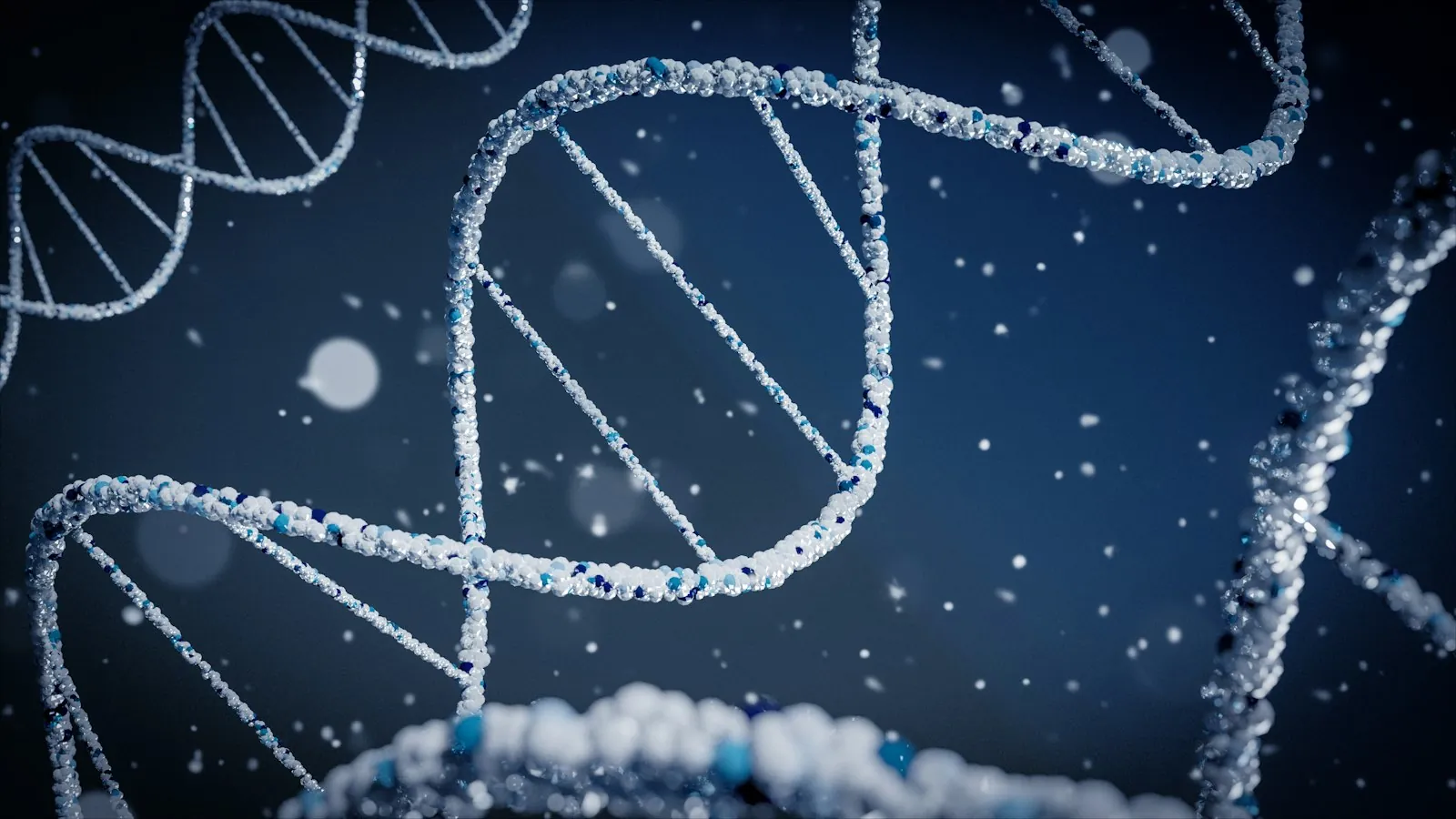
A model of a DNA double helix

Which new evidence would best help test whether Tyrannosaurus could reproduce without a mate?
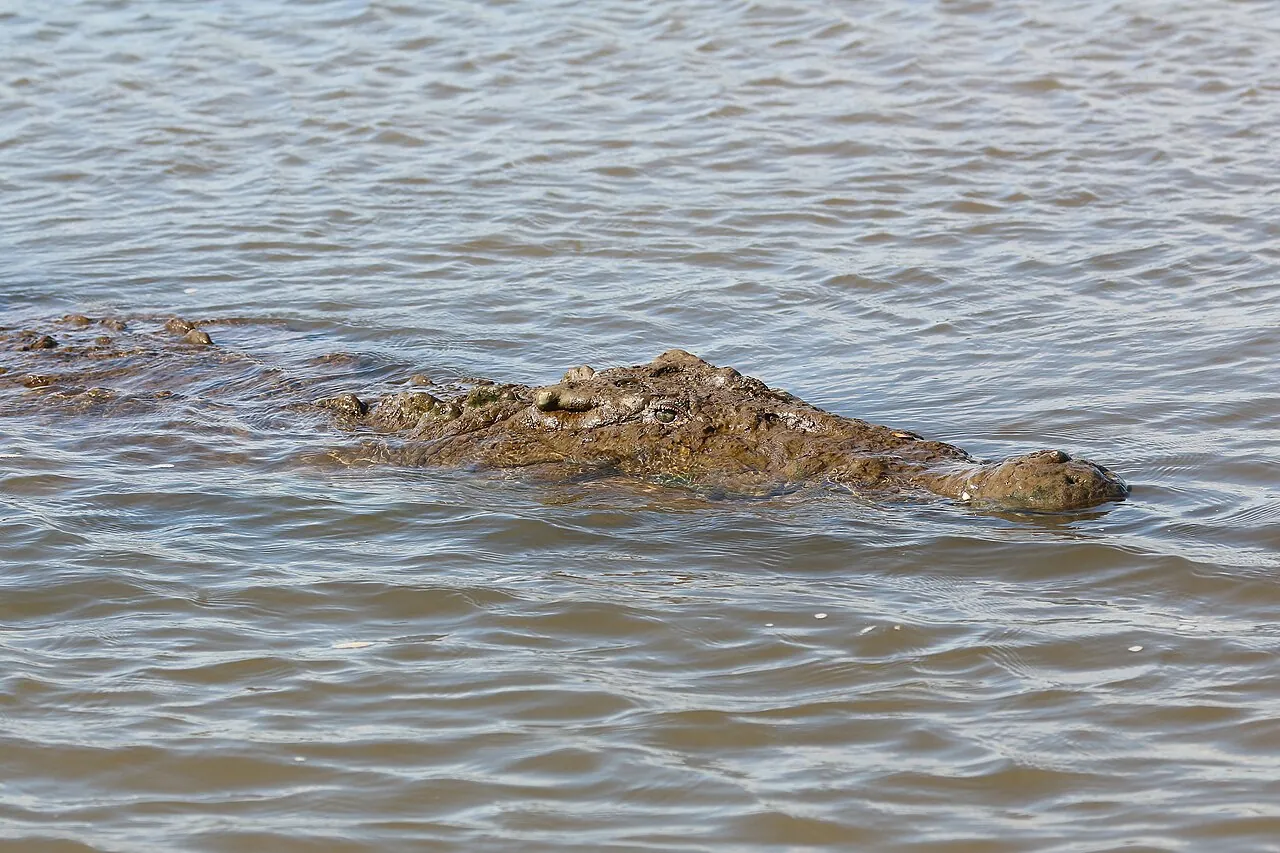
A wild American crocodile in a river in Costa Rica

Coquita’s baby had one parent, and the scientists still say the baby isn’t a clone.

Using the words homozygous and heterozygous, how is Coquita’s baby different from a clone?

A crocodile resting beside a pond

Lesson complete

Today’s word

parthenogenesis

par-theh-no-JEN-uh-sis

An egg develops into a baby without sperm fertilizing the egg.

Up nextunisexualSome species are all female and they still make babies
Sources
  1. Booth and others, Biology Letters, 2023
  2. Card and others, Scientific Reports, 2021 (king cobra)
  3. Vision and Change core concepts and competencies, as summarized in Brownell and others, CBE Life Sciences Education, 2014
  4. Word origins from Dictionary.com: parthenogenesis, homozygous, gene, hydrogen
  5. Mark Cartwright, “Parthenon,” World History Encyclopedia
  6. Spanish and French spellings from Wiktionary