Coquita the Crocodile, Middle school
Your word of the day is
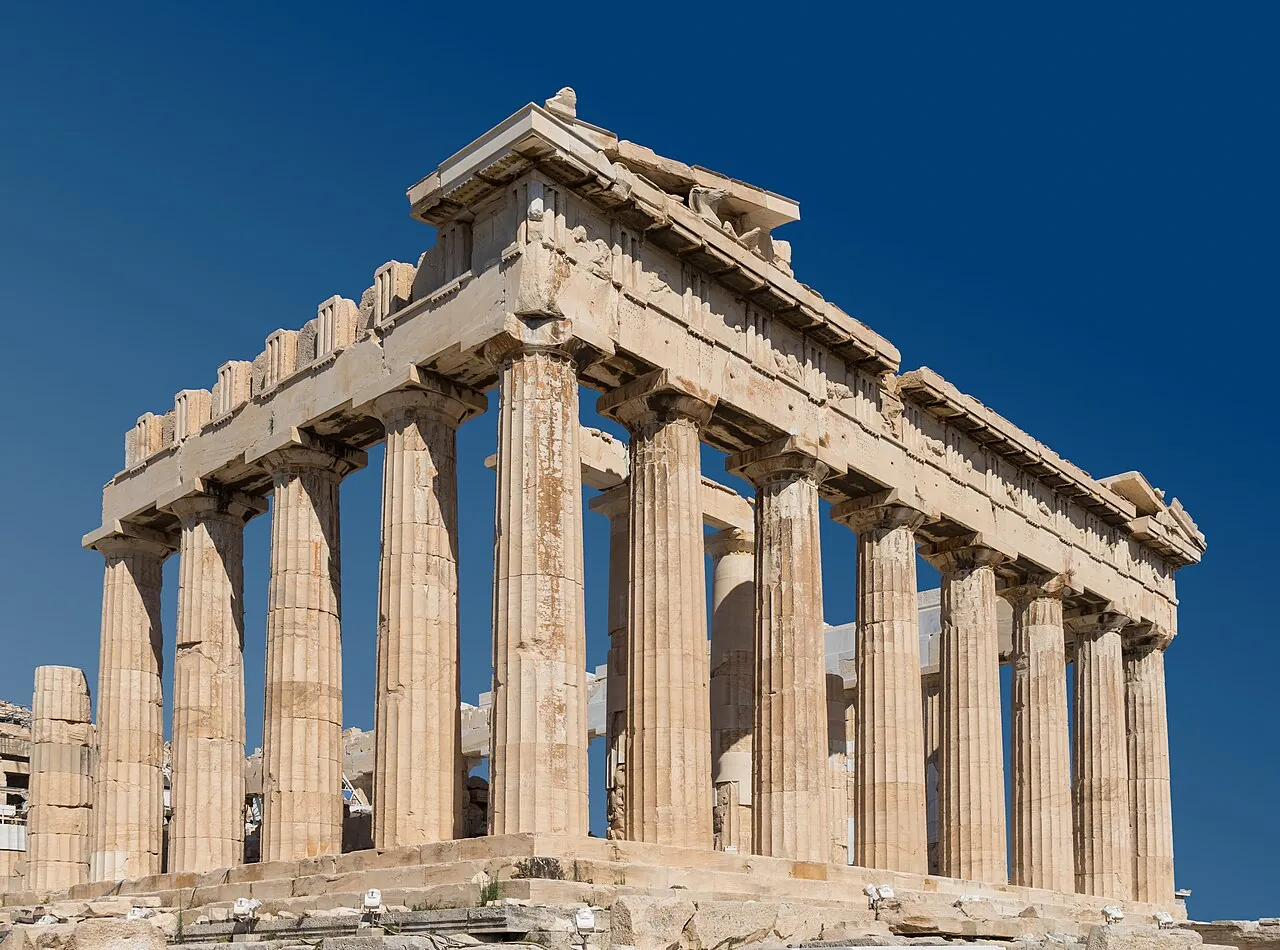
par-theh-no-JEN-uh-sis
partheno-maiden, virginfrom Greek parthénos
-genesisorigin, birthfrom Greek génesis
An egg develops into a baby without sperm fertilizing the egg.
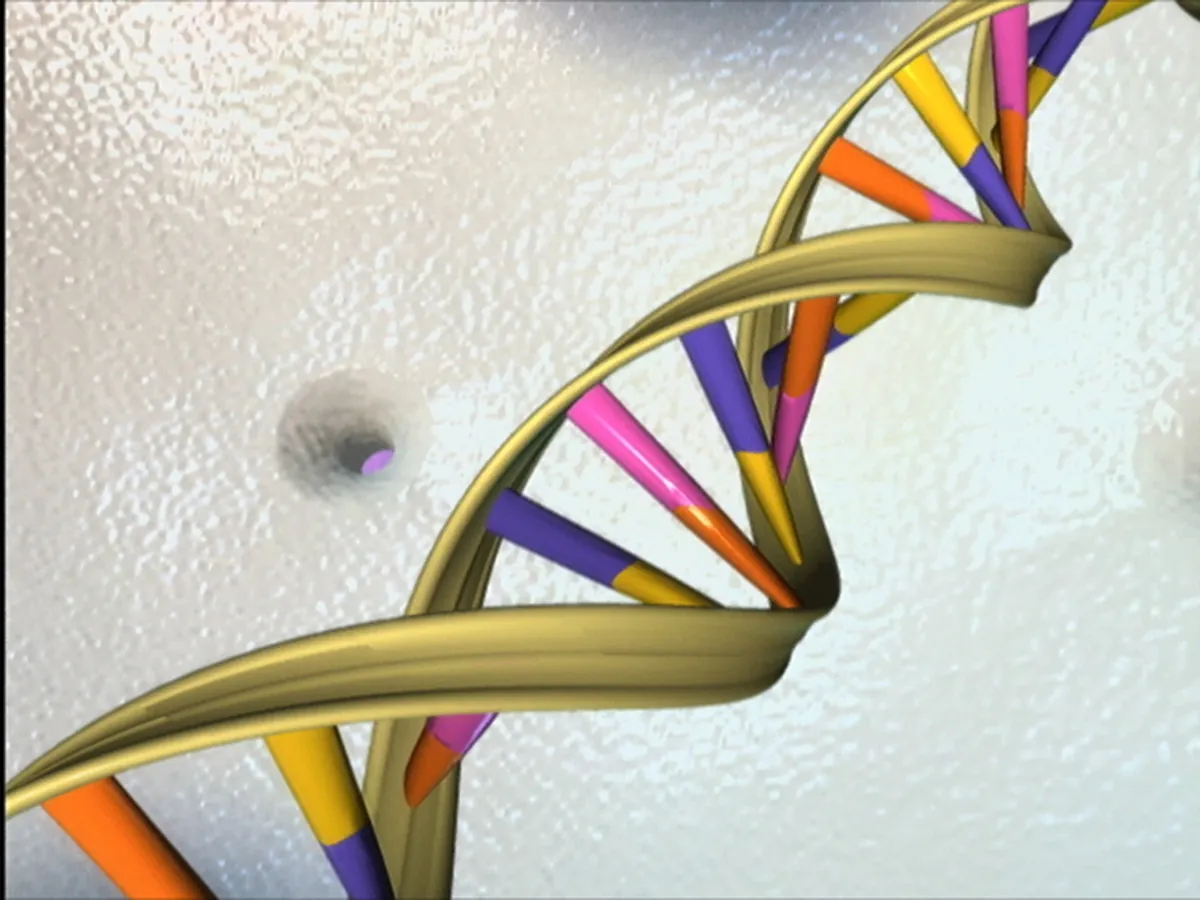
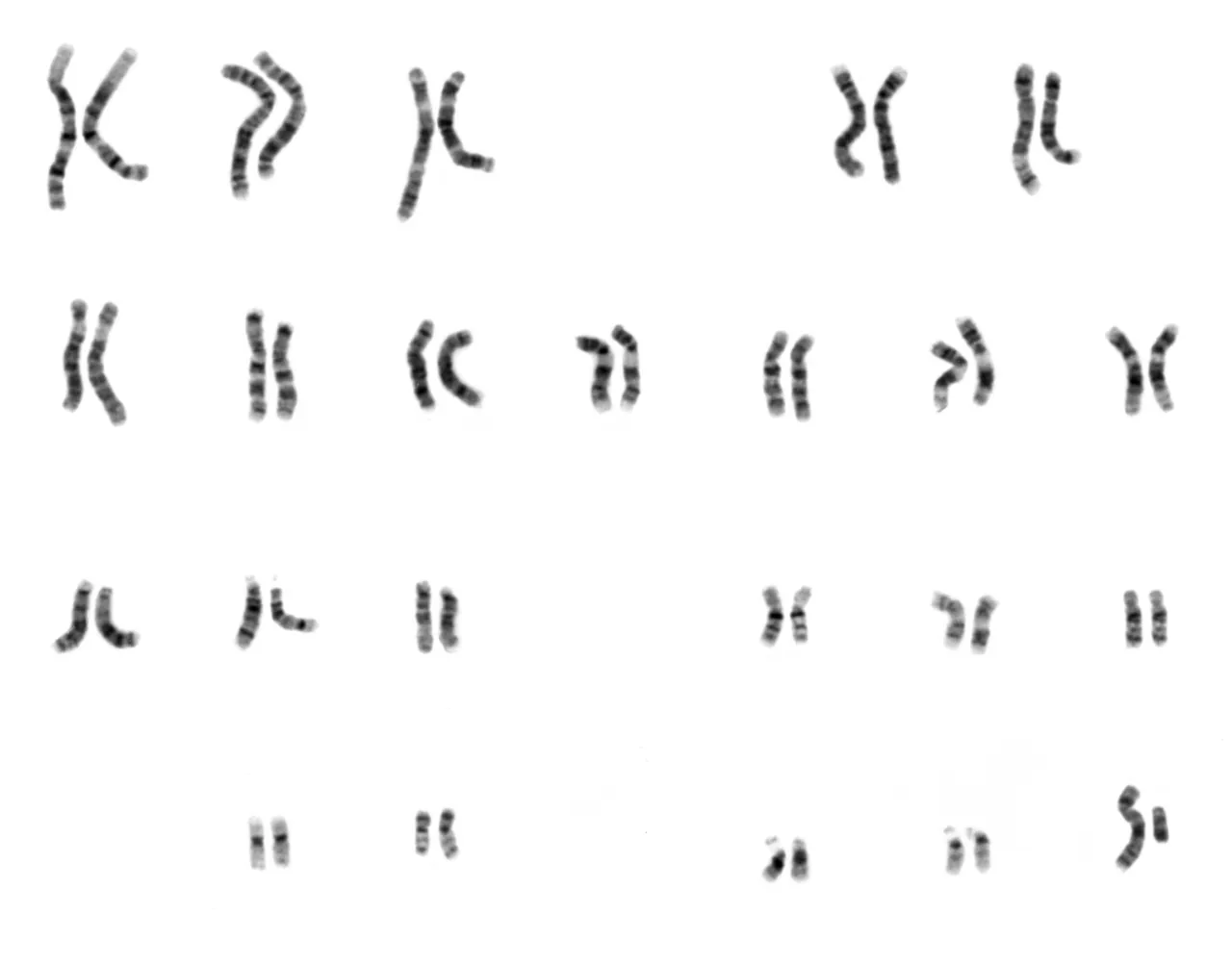
Most babies get half their DNA from mom and half from dad. Coquita’s baby got all of its DNA from Coquita.
How was the DNA in Coquita’s baby different from your DNA?
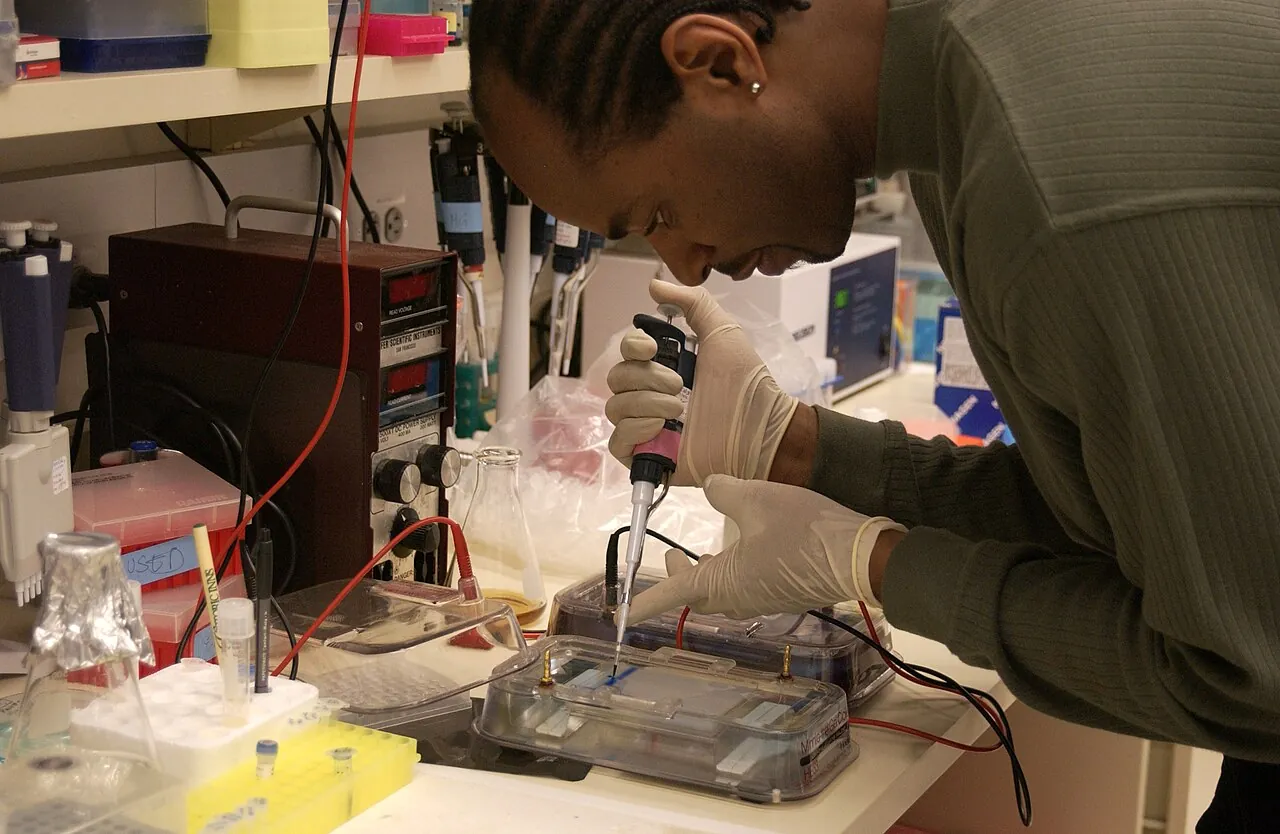
Some female reptiles can store sperm inside their bodies for years.
How could scientists prove Coquita’s baby didn’t come from old, stored sperm?
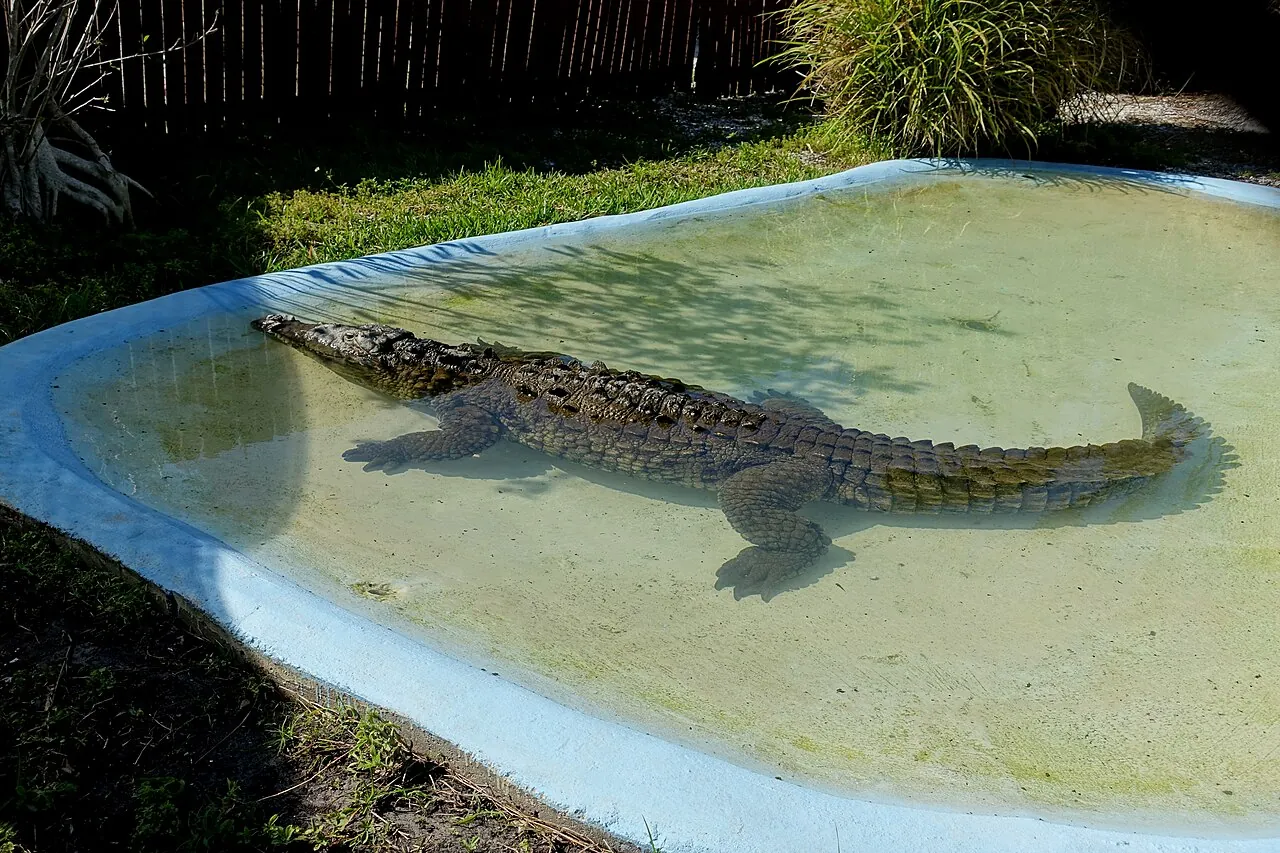
Coquita’s baby was fully formed, but it didn’t survive to hatch.
What did scientists still learn from Coquita’s baby?
Lesson complete
Today’s word
parthenogenesis
par-theh-no-JEN-uh-sis
A baby grows from an egg that was never fertilized, meaning no sperm ever joined the egg.
Look at these again
You got every question right the first time.
Sources
- Booth and others, Biology Letters, 2023
- Card and others, Scientific Reports, 2021 (king cobra)
- Vision and Change core concepts and competencies, as summarized in Brownell and others, CBE Life Sciences Education, 2014
- Word origins from Dictionary.com: parthenogenesis, homozygous, gene, hydrogen
- Mark Cartwright, “Parthenon,” World History Encyclopedia
- Spanish and French spellings from Wiktionary