How Scientists Count Farts, Middle school
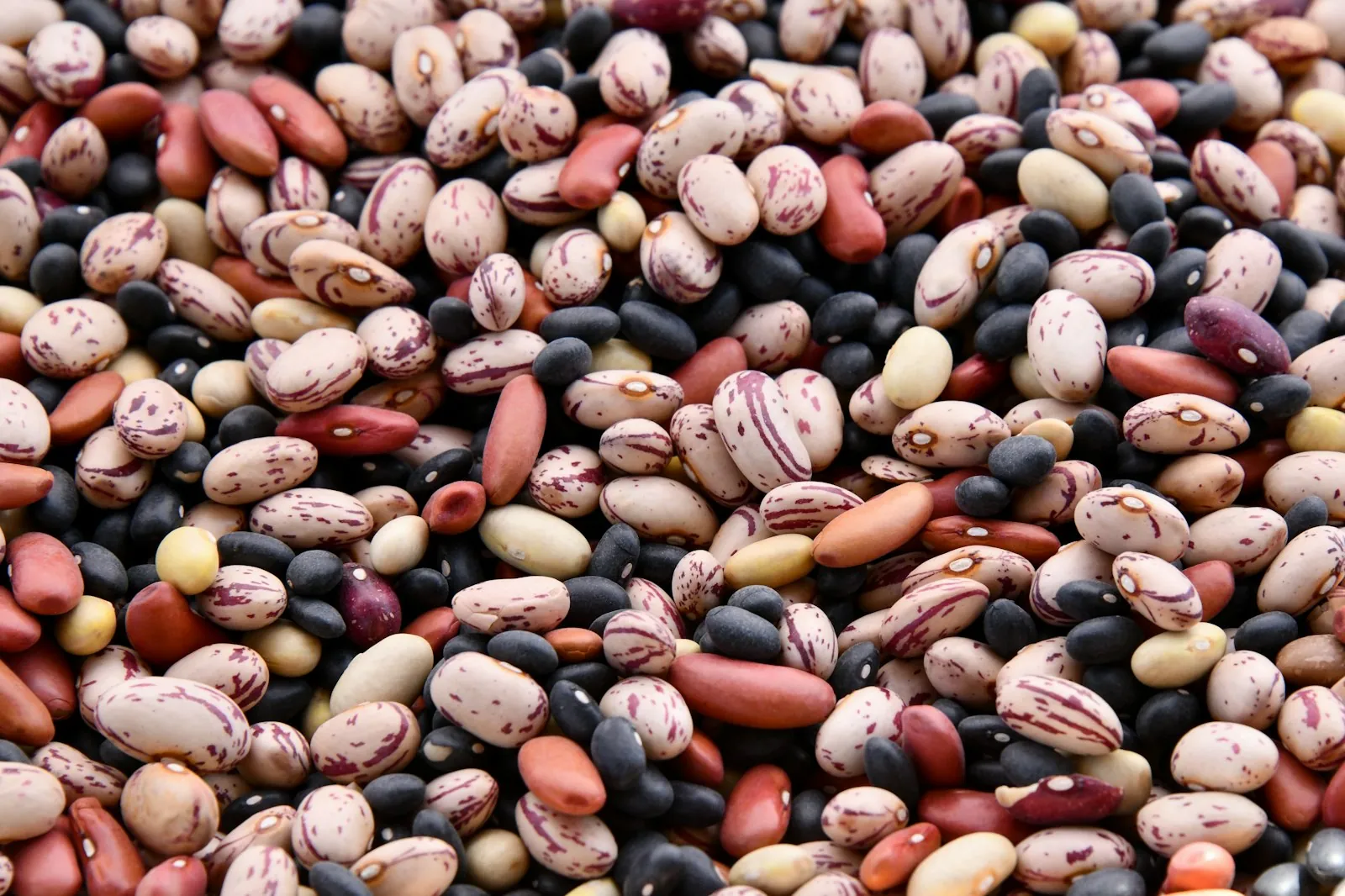
A fart is gas that leaves your body through your bottom. For many years, doctors said healthy people fart about 10 to 14 times a day.
Do you think healthy people fart more than 14 times a day?

Your word of the day is
FLAY-tus
Gas made in the intestines and passed out of the body. Flatus is the science word for the gas in a fart.

A sensor clipped to underwear counted an average of 32 farts a day.
Why would people counting their own farts come up with fewer than a sensor clipped to underwear?
The Smart Underwear sensor Raven wore in the video detects hydrogen, a gas found in farts.
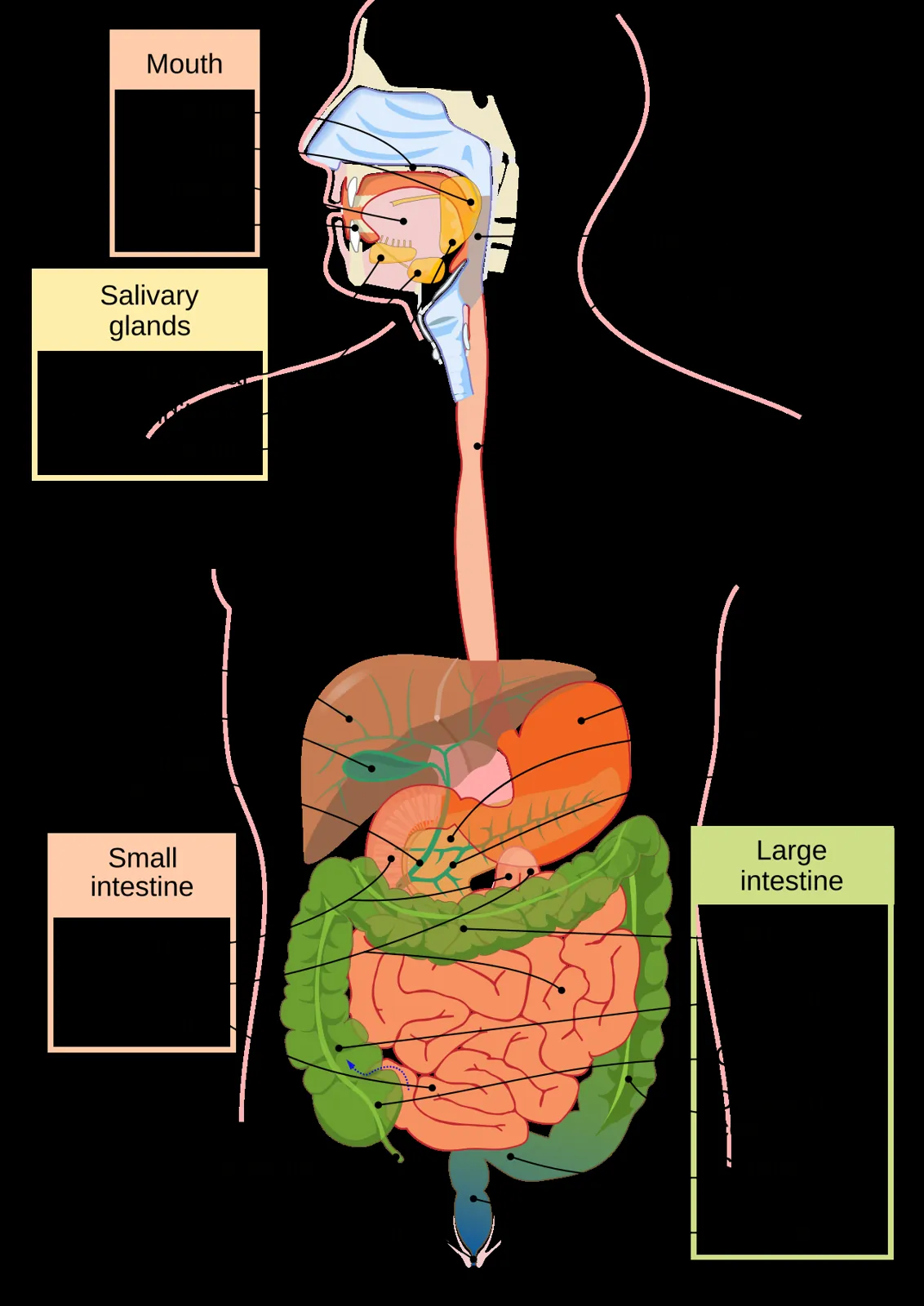
Where does the hydrogen gas in a fart come from?

In the Smart Underwear study, the lowest count for one day was 4 farts. The highest count for one day was 59 farts.
Why do scientists count farts in lots of people before they say what’s normal?

In the video, Raven asks, “What counts as a fart?” Scientists decide what counts before they start counting.
Why do scientists need to agree on what counts as one fart before they compare their numbers?

Scientists can ask people to keep track of their own farts, or scientists can measure farts with a sensor.
Which gives scientists a better fart count, keeping track yourself or measuring with a sensor?

Why does a sensor give a better count of farts than keeping track yourself?
Lesson complete
Today’s word
flatus
FLAY-tus
The science word for the gas in a fart.
Look at these again
You got every question right the first time.
Sources
- Santiago Botasini, Brantley Hall and colleagues, University of Maryland, Biosensors and Bioelectronics: X, 2025
- Brantley Hall’s lab, University of Maryland, ClinicalTrials.gov, NCT07134543
- Michael Levitt, Digestive Diseases and Sciences, 1979
- J. K. Furne and Michael Levitt, Digestive Diseases and Sciences, 1996
- J. Tomlin, C. Lowis and N. W. Read, Royal Hallamshire Hospital, Sheffield, UK, Gut, 1991
- Emily Brindal and Danielle Baird, CSIRO, Australia, JAMA Network Open, 2026
- I. Rowland, G. Gibson, A. Heinken, K. Scott, J. Swann, I. Thiele and K. Tuohy, European Journal of Nutrition, 2018
- N. W. Smith, P. R. Shorten, E. H. Altermann, N. C. Roy and W. C. McNabb, Gut Microbes, 2019
- University of Maryland, “UMD Scientists Create ‘Smart Underwear’ to Measure Human Flatulence”, February 11, 2026
- Human Flatus Atlas, the study’s enrollment site
- Vision and Change core concepts and competencies, as summarized in Brownell and others, CBE Life Sciences Education, 2014
- Word origins from Dictionary.com: flatus, inflate, inflation, conflate, flatulent, microbiome, micro-, bio-, biome, -ome, microbe
- Spanish and Italian words from Wiktionary: inflar, fiato
- Video quotes from YouTube’s auto-generated captions