Blood XX, Skin XY, Middle school
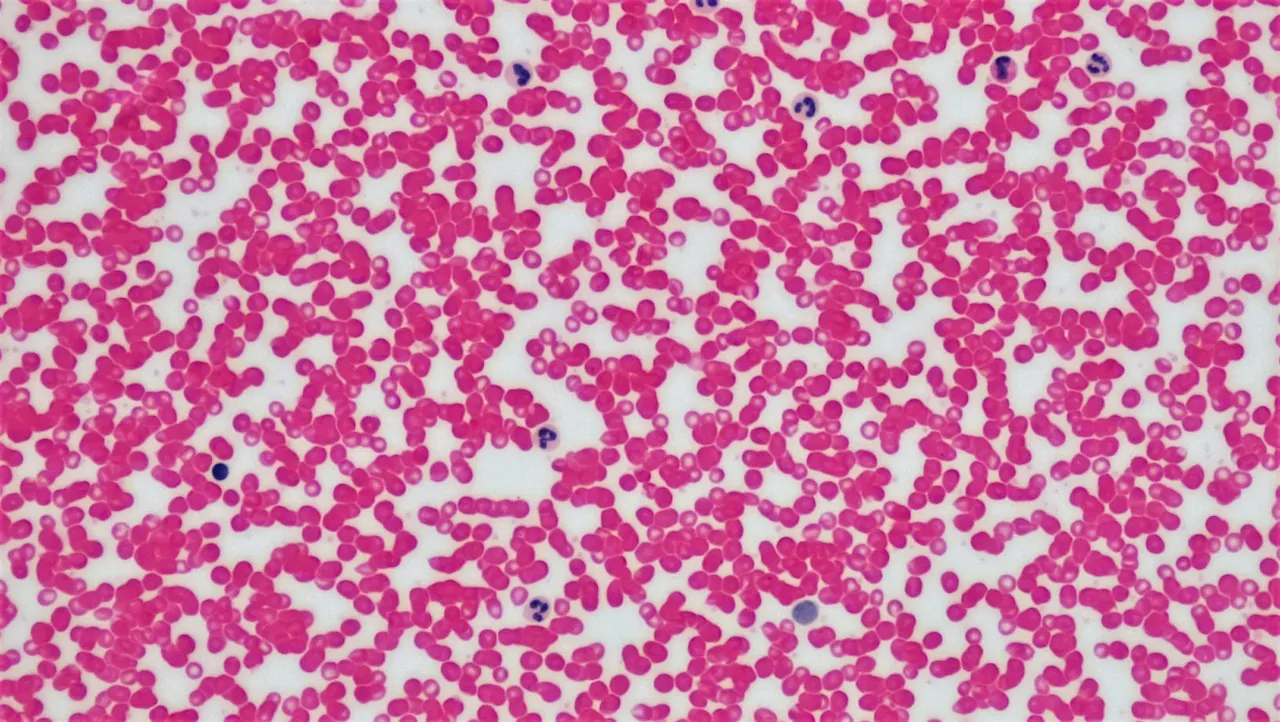
Chromosomes are tiny threads inside your cells that carry genes. A one-year-old boy’s blood test shows two X chromosomes (XX), a pattern doctors usually see in girls.
Could a test on another part of the boy’s body give a different answer than the blood test?
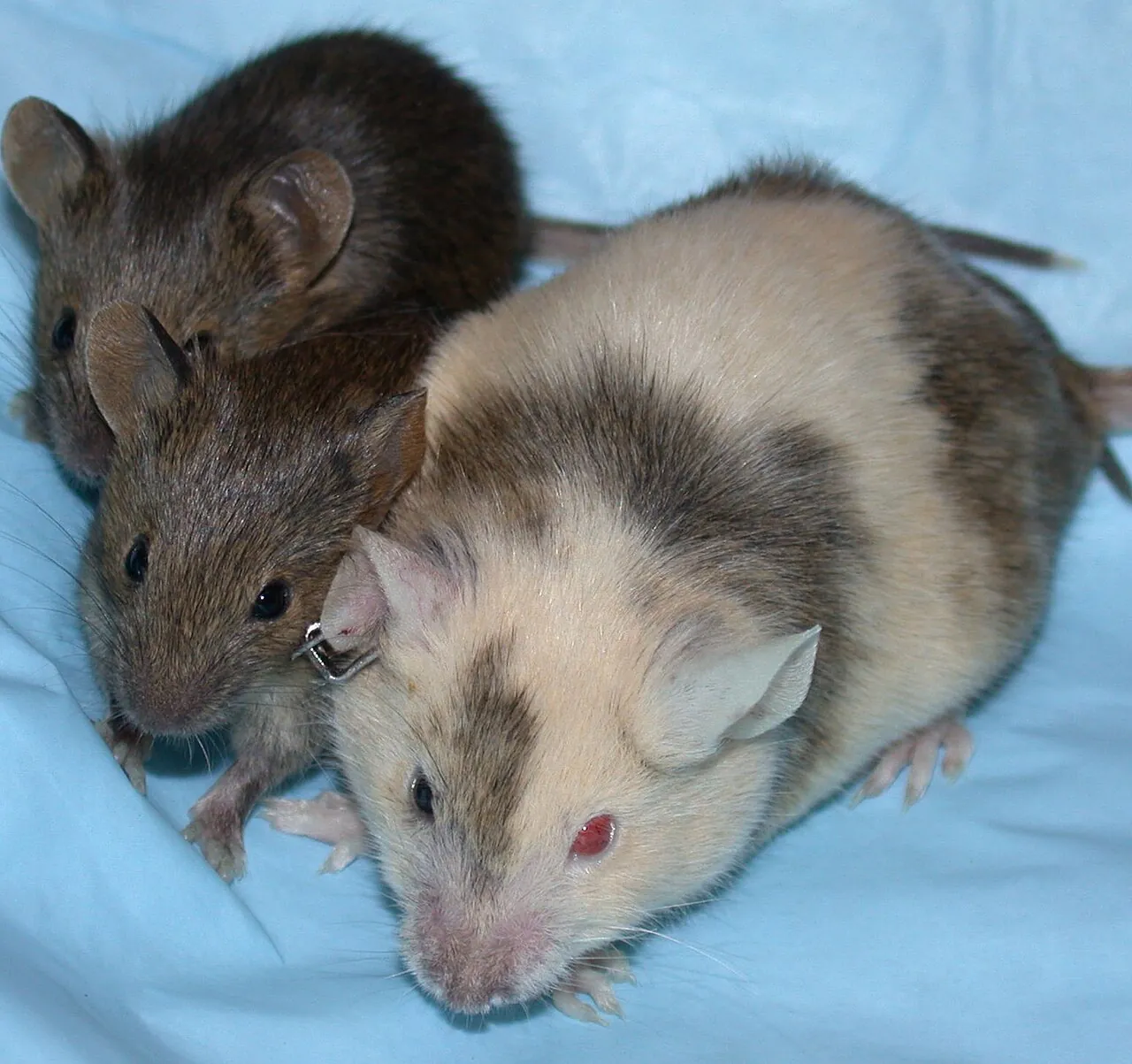
A boy whose blood came back female and his skin came back male
Doctors tested a baby boy and found XX chromosomes in his blood cells and XY in his skin cells. His blood came from one egg’s half set of chromosomes, copied twice, while his skin had DNA from both parents. Scientists call this a parthenogenetic chimera.

Your word of the day is
par-theh-no-jeh-NET-ik ky-MEER-uh
A body made of two cell lines, where one line grew from an egg with no DNA from a father. Also spelled chimera.
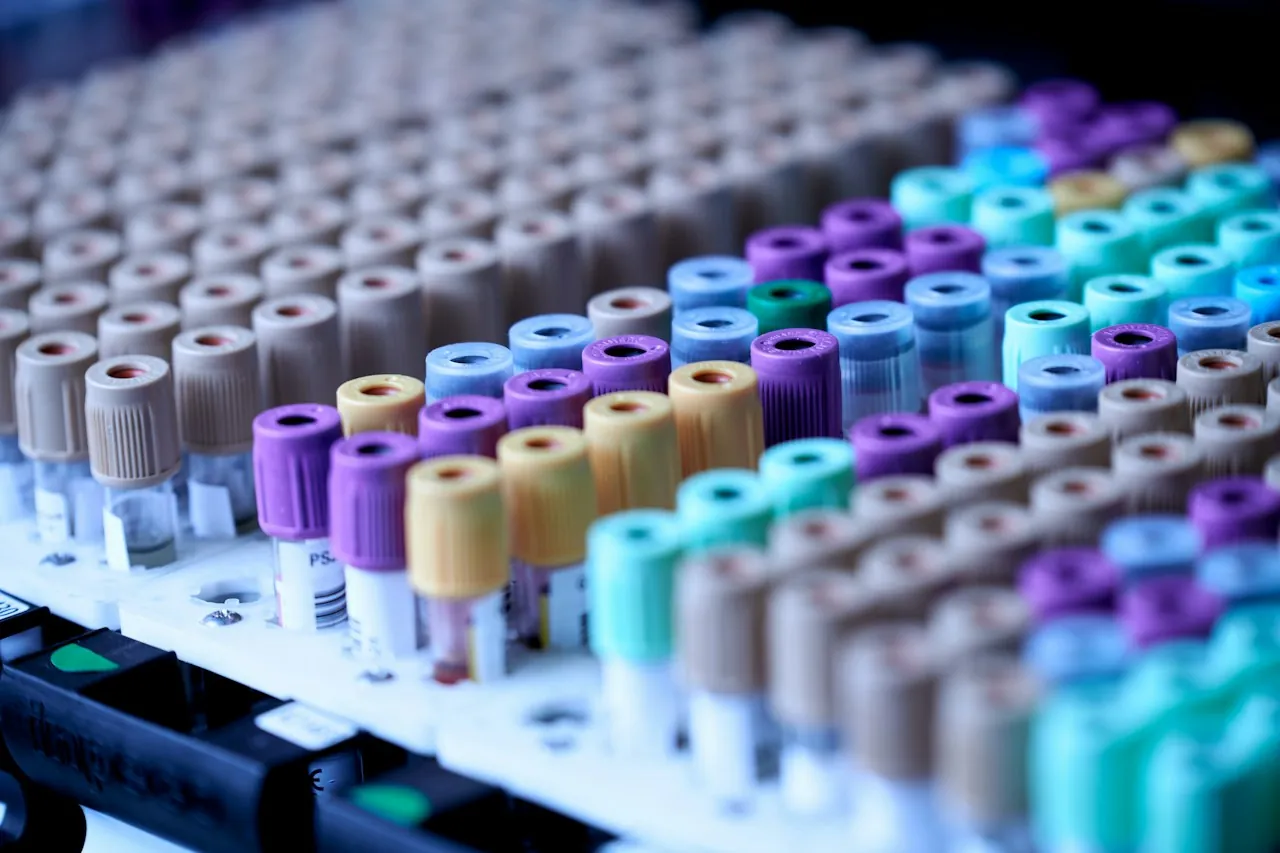
Most people get one copy of each chromosome from mom and one from dad. The boy’s blood cells had two matching copies from his mom, and his skin cells had one copy from each parent.
Which of the boy’s cells have more genetic variety, meaning more genes with two different versions?

Doctors often check a person’s chromosomes with a blood sample. The boy’s blood cells tested XX, but his skin cells tested XY.
What can doctors miss when they test only one part of the body?
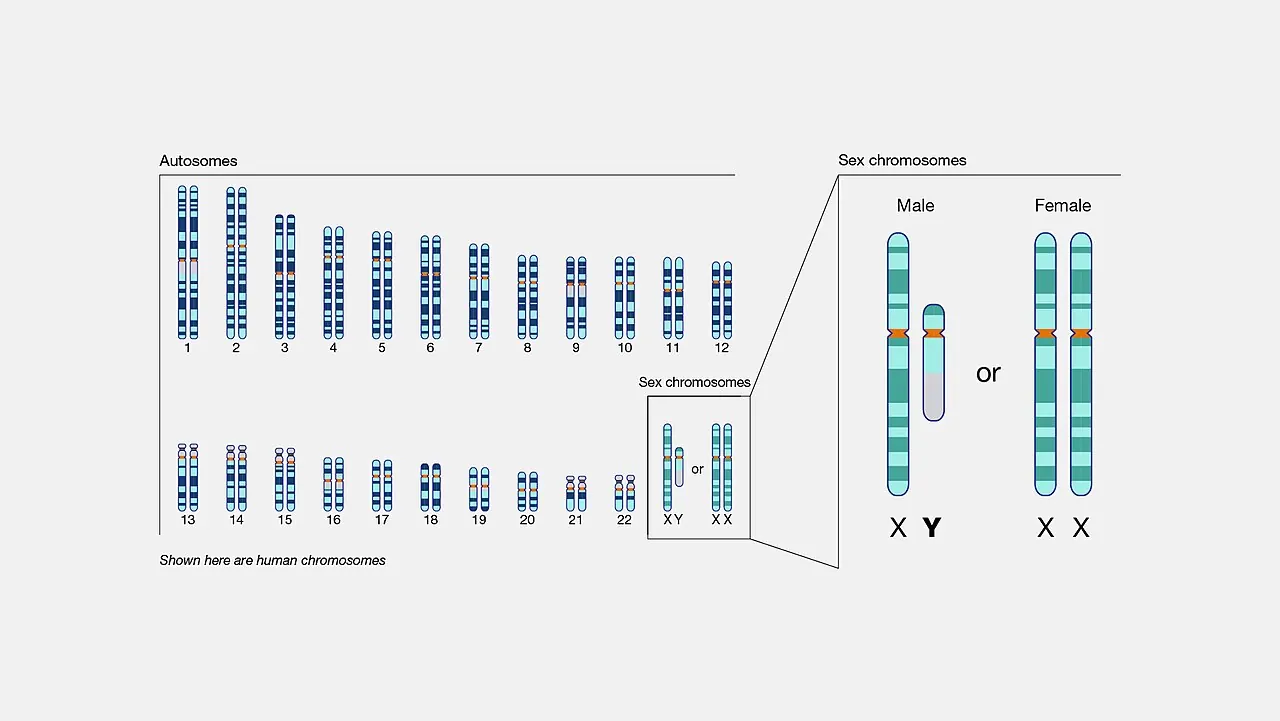
Most XX boys carry a small piece of Y on one X, and that piece almost always comes from their dad.
Which blood result shows that a hidden Y piece didn’t cause the boy’s XX blood?
With a hidden Y piece, all of the boy’s cells would test XX.
Which skin result shows that a hidden Y piece didn’t cause the boy’s XX blood?
As of 2021, scientists had reported six people with mom-only cells, which carry DNA from a person’s mom and none from their dad.
Why might doctors have trouble finding people with mom-only cells?
The tests found different DNA in the boy’s blood and skin.
How can the boy have blood cells with DNA from only his mom and skin cells with DNA from both parents?
Lesson complete
Today’s word
parthenogenetic chimaera
par-theh-no-jeh-NET-ik ky-MEER-uh
A body made of two cell lines, where one line grew from an egg with no DNA from a father. Also spelled chimera.
Look at these again
You got every question right the first time.
Sources
- Strain and others, Nature Genetics, 1995 (free abstract)
- Yamazawa and others, Journal of Medical Genetics, 2010
- Masunaga and others, Clinical Epigenetics, 2021
- “Scientists: Boy came from egg that didn’t wait for sperm,” Tampa Bay Times, September 30, 1995
- MedlinePlus Genetics: 46,XX testicular difference of sex development, Klinefelter syndrome, Turner syndrome, genomic imprinting and uniparental disomy
- Vision and Change core concepts and competencies, as summarized in Brownell and others, CBE Life Sciences Education, 2014
- Word origins from Dictionary.com: chimera, chimaera, chimerical, genetic, chromosome, chromo-, chromatic, -some, ribosome
- Mark Cartwright, “Chimera of Arezzo,” World History Encyclopedia
- Spanish and French meanings from Wiktionary: quimera, chimère