Kaguya the Mouse, College
Your word of the day is
im-PRIN-ting
In genetics, a tag on a gene that marks which parent the gene came from. The tag controls whether that copy of the gene switches on.
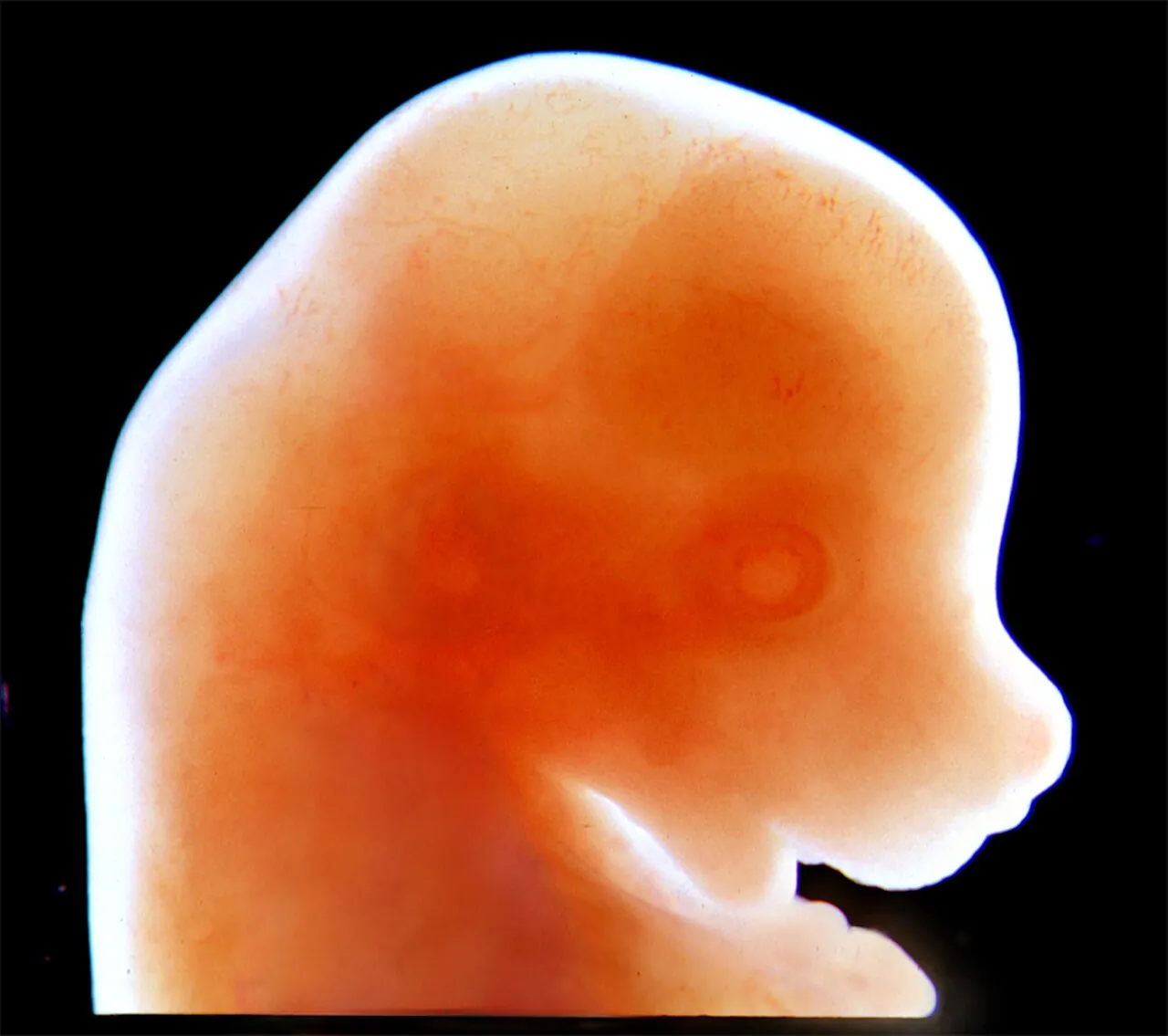
In the video, Raven says 192 transferred embryos gave three pups and one adult mouse. A blastocyst is an early embryo ready for transfer into a foster mother.
Make a guess before you open Wei’s 2022 paper. What percent of the edited eggs in Wei’s study do you think grew into blastocysts in the dish? Give your reason in one sentence.
Hint
Think about when embryos made from eggs alone usually fail, in the dish or later in pregnancy.
Read the paper
Wei and others, “Viable offspring derived from single unfertilized mammalian oocytes,” Proceedings of the National Academy of Sciences, 2022. The paper is free to read.
Wei’s paper describes a different experiment from Kaguya’s. Kaguya came from the DNA of two eggs. Wei’s team made a mouse from one unfertilized egg by rewriting DNA methylation tags at seven imprinting control regions. They added a dad tag to one copy of two regions and stripped the mom tag from one copy of five more regions. Table 1 of the paper follows those embryos from the dish to adulthood.
| Step in Table 1 | Count | Percent of the step before |
|---|---|---|
| Rebuilt eggs (an egg plus its own first polar body) | 227 | Starting count |
| Grew to blastocysts in the dish | 192 | |
| Transferred into 14 foster mothers, all 14 pregnant | 192 | |
| Live pups at day 19.5 of pregnancy | 3 | |
| Pups that grew to adulthood | 1 |
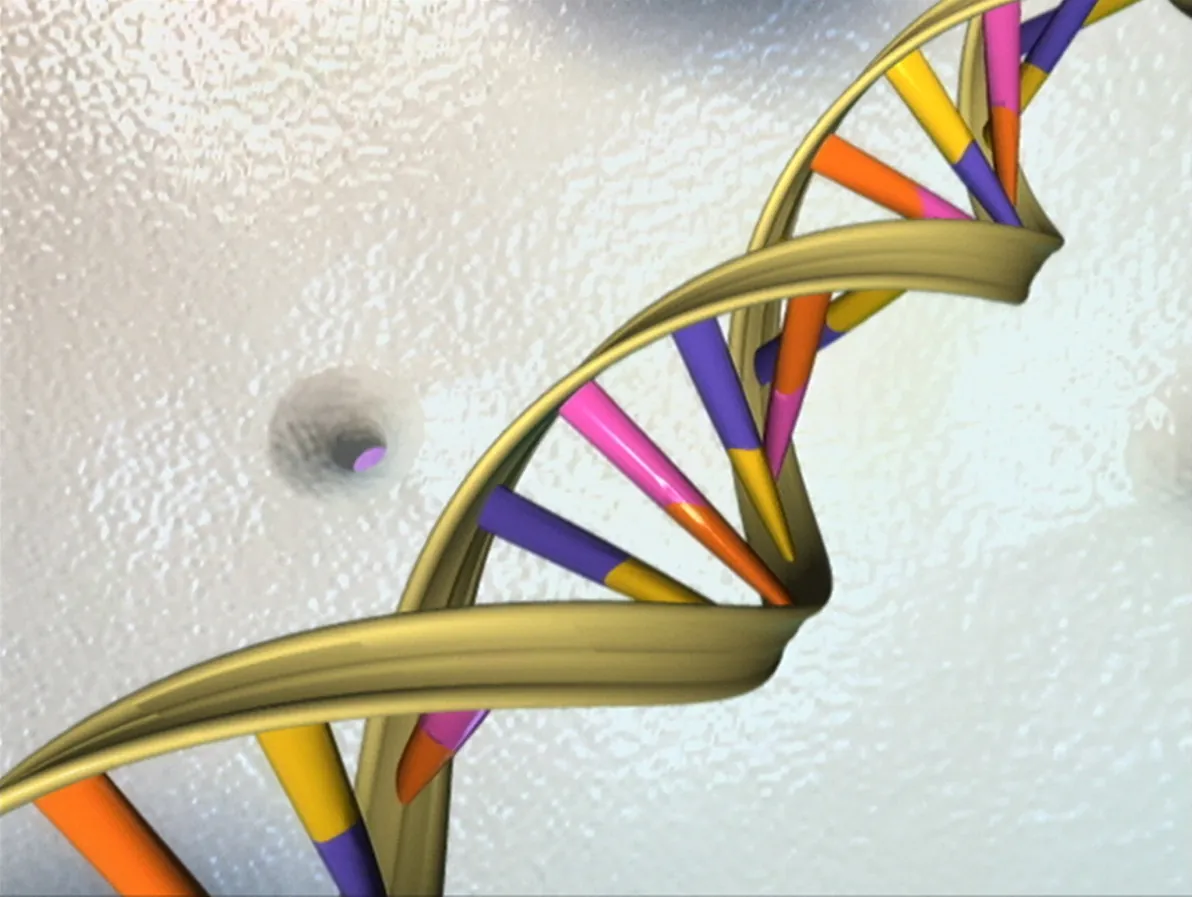
Table 1 of Wei’s 2022 paper starts with 227 rebuilt eggs, and 192 grew to blastocysts in the dish.
In Wei’s Table 1, ____ of the 227 rebuilt eggs grew to blastocysts in the dish.
See the table
| Step in Table 1 | Count | Percent of the step before |
|---|---|---|
| Rebuilt eggs (an egg plus its own first polar body) | 227 | Starting count |
| Grew to blastocysts in the dish | 192 | |
| Transferred into 14 foster mothers, all 14 pregnant | 192 | |
| Live pups at day 19.5 of pregnancy | 3 | |
| Pups that grew to adulthood | 1 |
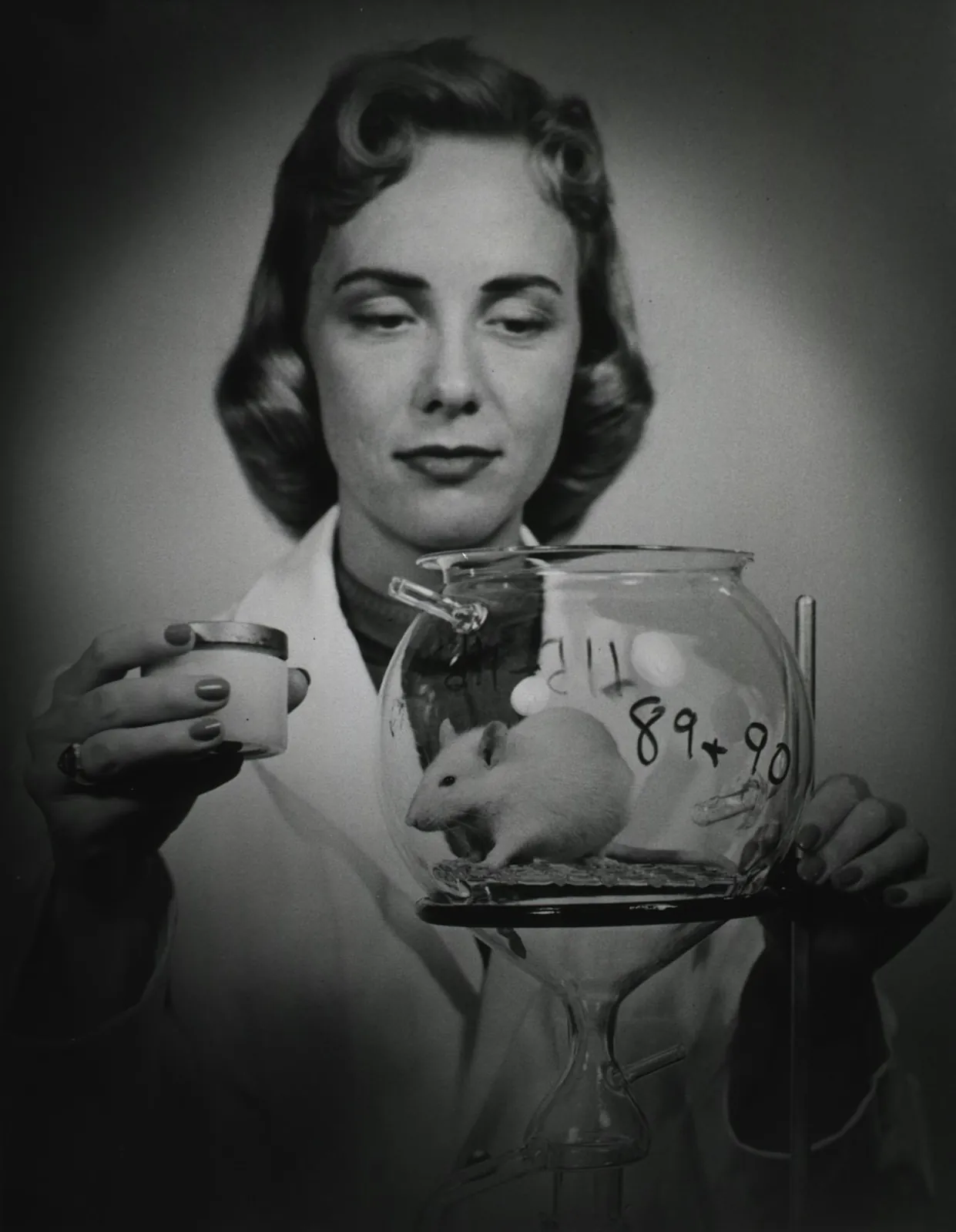
Wei’s team transferred 192 blastocysts, and 3 became live pups at day 19.5.
In Wei’s Table 1, ____ of the 192 transferred embryos became live pups.
See the table
| Step in Table 1 | Count | Percent of the step before |
|---|---|---|
| Rebuilt eggs (an egg plus its own first polar body) | 227 | Starting count |
| Grew to blastocysts in the dish | 192 | |
| Transferred into 14 foster mothers, all 14 pregnant | 192 | |
| Live pups at day 19.5 of pregnancy | 3 | |
| Pups that grew to adulthood | 1 |
Wei’s adult mouse later had pups with a normal male, and the pups made normal amounts of Rasgrf1.
Why did the pups of Wei’s adult mouse make normal amounts of Rasgrf1?
See the table
| Step in Table 1 | Count | Percent of the step before |
|---|---|---|
| Rebuilt eggs (an egg plus its own first polar body) | 227 | Starting count |
| Grew to blastocysts in the dish | 192 | |
| Transferred into 14 foster mothers, all 14 pregnant | 192 | |
| Live pups at day 19.5 of pregnancy | 3 | |
| Pups that grew to adulthood | 1 |
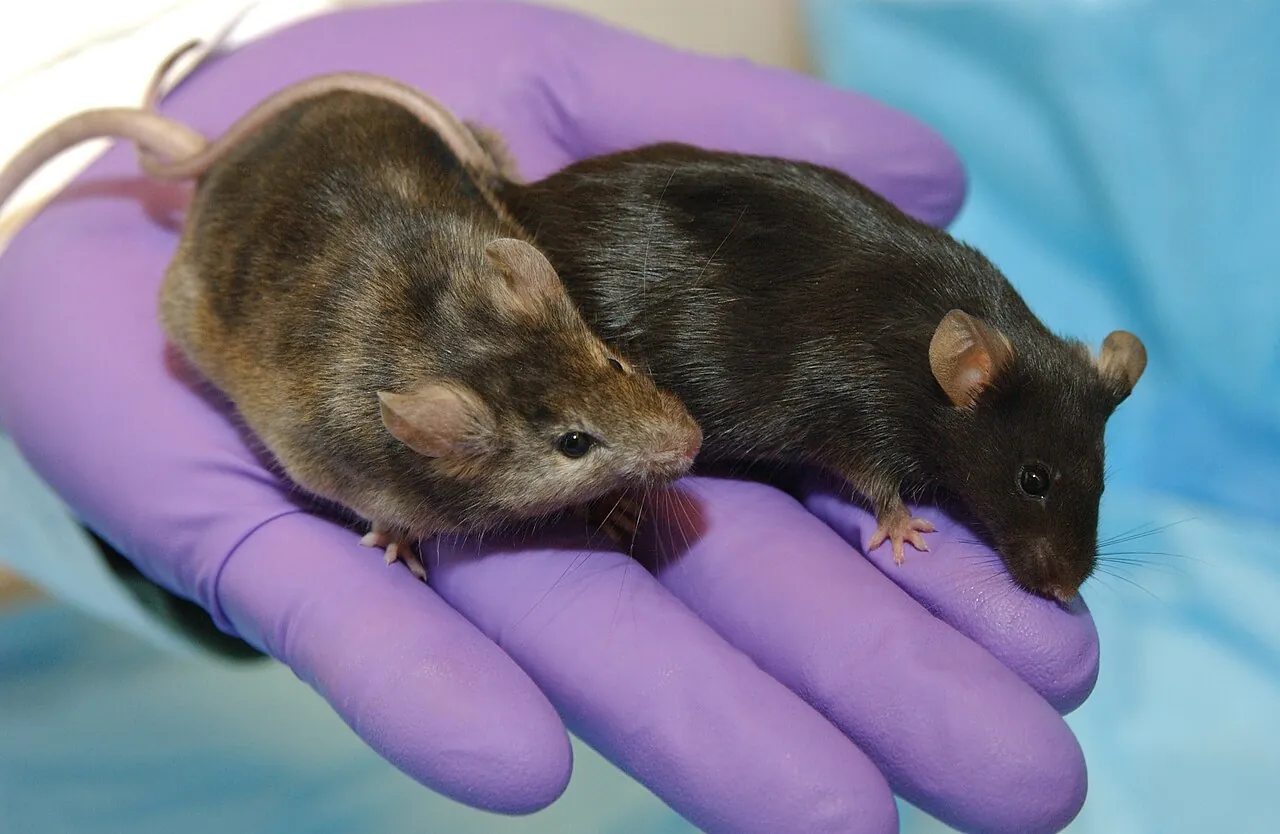
Wei’s team writes that parthenogenesis in mammals opens opportunities in agriculture, research and medicine.
A farmer wants to use single-egg parthenogenesis on livestock next year. Based on Wei’s numbers, what should the farmer hear?
See the table
| Step in Table 1 | Count | Percent of the step before |
|---|---|---|
| Rebuilt eggs (an egg plus its own first polar body) | 227 | Starting count |
| Grew to blastocysts in the dish | 192 | |
| Transferred into 14 foster mothers, all 14 pregnant | 192 | |
| Live pups at day 19.5 of pregnancy | 3 | |
| Pups that grew to adulthood | 1 |
Which limit do Wei’s authors name in the Discussion of their 2022 paper?
See the table
| Step in Table 1 | Count | Percent of the step before |
|---|---|---|
| Rebuilt eggs (an egg plus its own first polar body) | 227 | Starting count |
| Grew to blastocysts in the dish | 192 | |
| Transferred into 14 foster mothers, all 14 pregnant | 192 | |
| Live pups at day 19.5 of pregnancy | 3 | |
| Pups that grew to adulthood | 1 |
Table 1 of Wei’s 2022 paper follows edited eggs from the dish to adulthood.
Which summary fits Table 1 of Wei’s 2022 paper?
Which question can’t Table 1 of Wei’s paper answer?
Lesson complete
Today’s word
imprinting
im-PRIN-ting
In genetics, marking a gene copy with DNA methylation according to the parent it came from. For an imprinted gene, only the maternal copy or only the paternal copy is expressed.
Look at these again
You got every question right the first time.
Sources
- Tomohiro Kono and colleagues, Tokyo University of Agriculture, Nature, 2004
- Philip Leighton, Shirley Tilghman and colleagues, Princeton University, Nature, 1995
- Andrew Keniry, Wolf Reik and colleagues, Nature Cell Biology, 2012
- Yayoi Obata, Tomohiro Kono and colleagues, Development, 1998
- Manabu Kawahara, Tomohiro Kono and colleagues, Nature Biotechnology, 2007
- Yanchang Wei, Cai-Rong Yang and Zhen-Ao Zhao, Shanghai Jiao Tong University and UC San Francisco, PNAS, 2022
- Review by Denise Barlow and Marisa Bartolomei, Cold Spring Harbor Perspectives in Biology, 2014
- MedlinePlus Genetics, US National Library of Medicine, Prader-Willi, Angelman, Beckwith-Wiedemann
- Helen Pearson, “Mouse created without father”, Nature News, April 22, 2004
- John Travis, “Two egg cells make fatherless mouse”, Science News, May 2004
- Vision and Change core concepts and competencies, as summarized in Brownell and others, CBE Life Sciences Education, 2014
- Word origins from Dictionary.com: imprinting, imprint, in-, print, -ing, genome, press, pressure, impression, impressionism, espresso
- Spanish and French words from Wiktionary: imprimir, imprimer