Kaguya the Mouse, Middle school
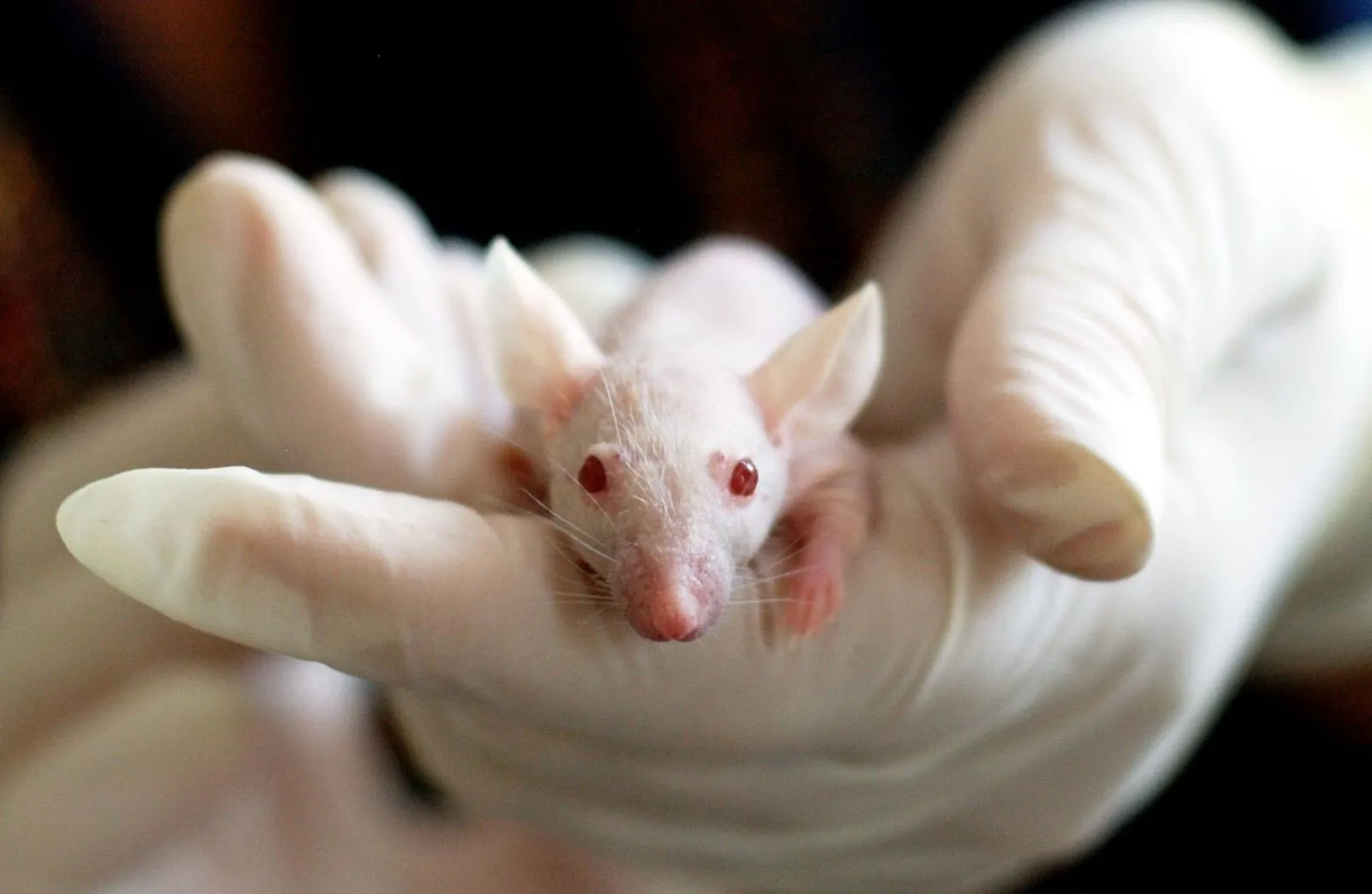
A baby mouse usually comes from one egg and one sperm. Scientists in Tokyo tried to grow a mouse from the DNA of two mouse eggs and no sperm.
Could two eggs and no sperm ever make a living mouse?
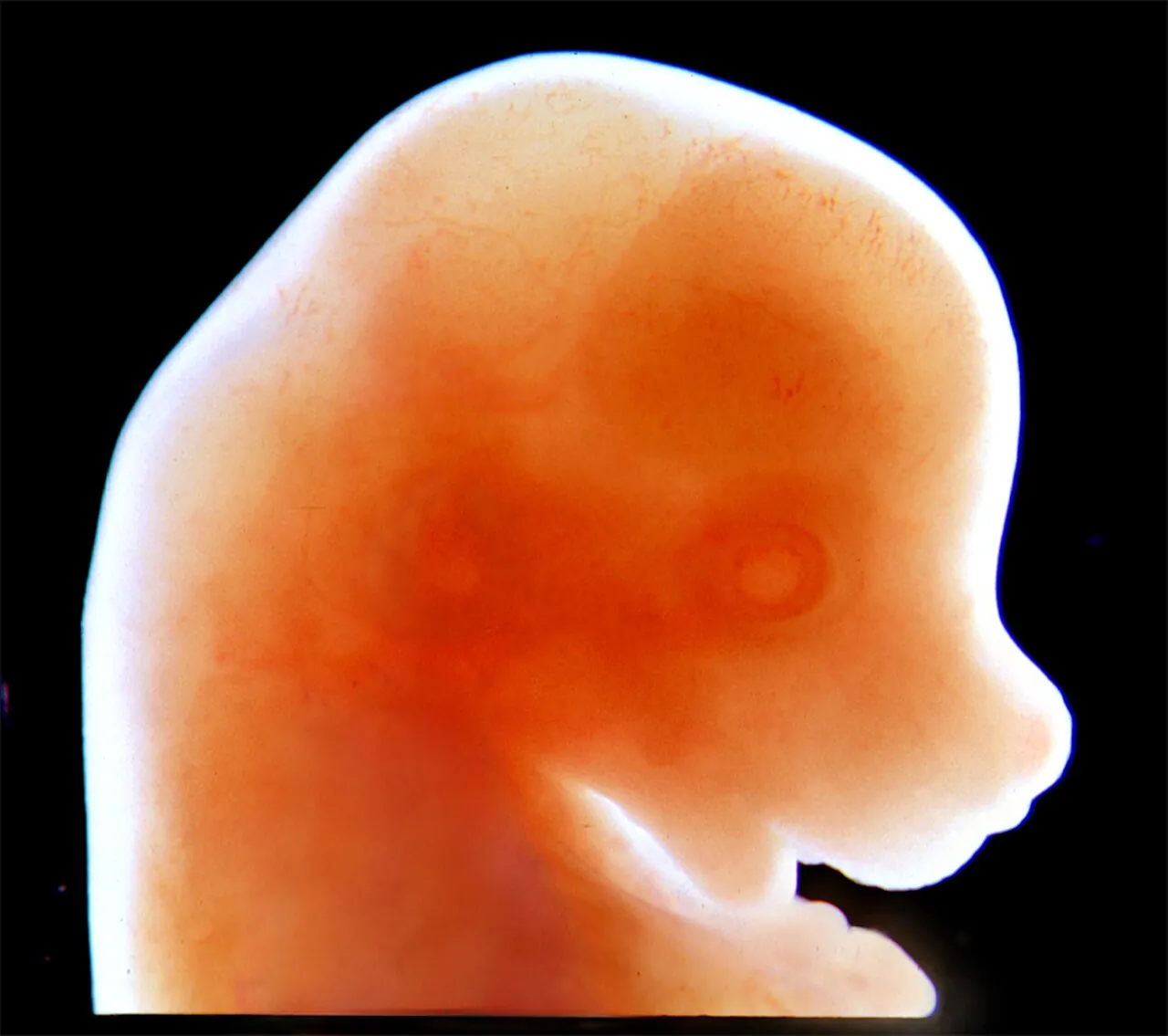
2 eggs can make a mouse, with some help
In 2004, scientists in Japan reported a mouse named Kaguya, made from two eggs and no sperm. Some genes carry a tag that says which parent they came from, so two eggs alone cannot make a mouse. One egg came from a newborn mouse whose tags weren’t on yet. That mouse came from a line of mice born missing the piece of DNA that holds the switch for a growth gene.

Your word of the day is
im-PRIN-ting
In genetics, a tag on a gene that marks which parent the gene came from. The tag controls whether that copy of the gene switches on.
Eggs and sperm carry the same genes.
If the genes are the same, why does a two-egg embryo stop growing?
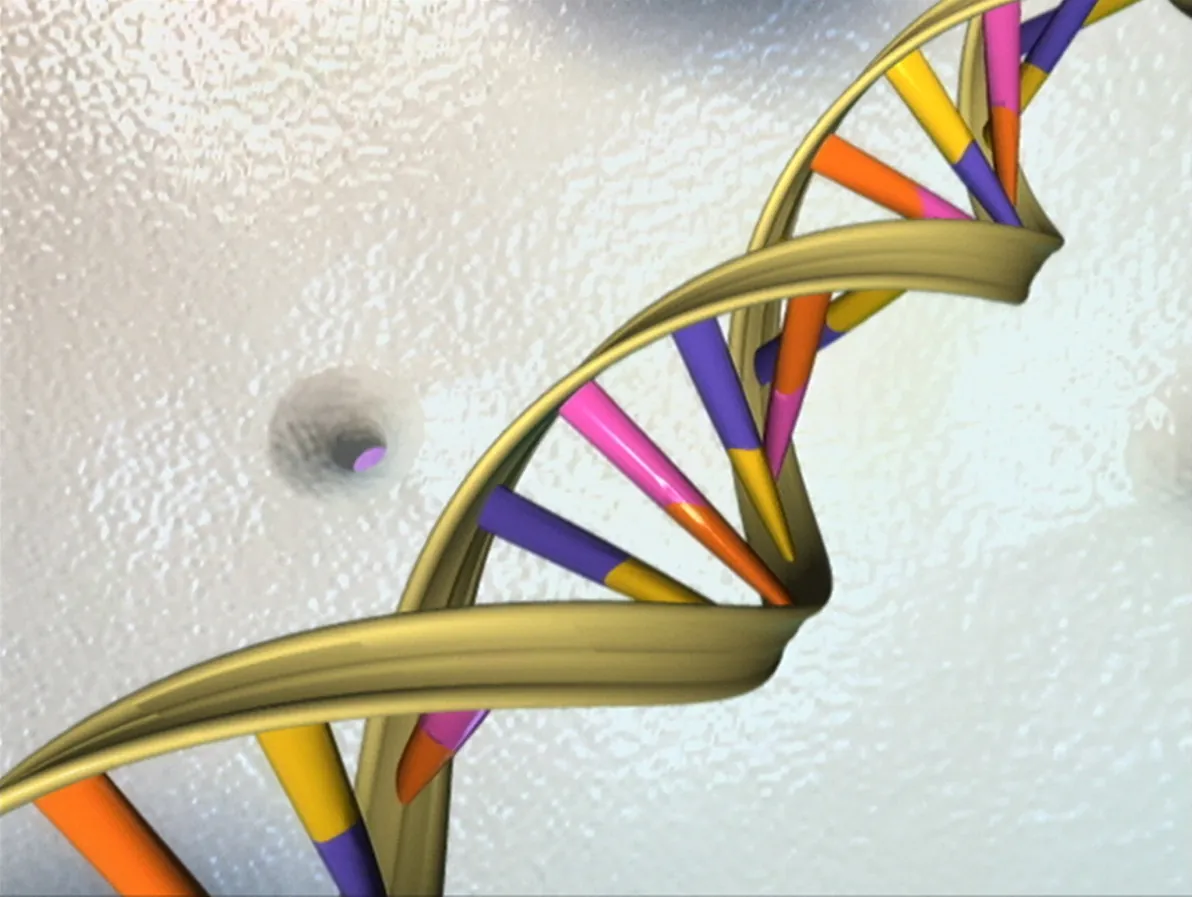
A clone is an exact copy of one animal’s DNA. Kaguya had no dad. Her DNA came from the eggs of two different female mice, a newborn and an adult.
Is Kaguya a clone of either mouse that gave her DNA?
Many kids with Prader-Willi syndrome are missing a few genes from dad’s chromosome 15. They still have mom’s copy.
Why can’t mom’s copy of those chromosome 15 genes fill in for dad’s missing copy?
It took about 460 tries to make one adult mouse, Kaguya.
What do 460 tries for one grown-up mouse tell you about the two-egg method in 2004?
Kaguya came from an egg of a newborn mouse, and that egg was missing the growth gene switch.
Why would Kaguya’s two egg changes be hard to use in people?
Eggs and sperm carry the same genes.
Why does a mouse still need DNA from both an egg and a sperm?
Lesson complete
Today’s word
imprinting
im-PRIN-ting
In genetics, a tag on a gene that marks which parent the gene came from. The tag controls whether that copy of the gene switches on.
Look at these again
You got every question right the first time.
Sources
- Tomohiro Kono and colleagues, Tokyo University of Agriculture, Nature, 2004
- Philip Leighton, Shirley Tilghman and colleagues, Princeton University, Nature, 1995
- Andrew Keniry, Wolf Reik and colleagues, Nature Cell Biology, 2012
- Yayoi Obata, Tomohiro Kono and colleagues, Development, 1998
- Manabu Kawahara, Tomohiro Kono and colleagues, Nature Biotechnology, 2007
- Yanchang Wei, Cai-Rong Yang and Zhen-Ao Zhao, Shanghai Jiao Tong University and UC San Francisco, PNAS, 2022
- Review by Denise Barlow and Marisa Bartolomei, Cold Spring Harbor Perspectives in Biology, 2014
- MedlinePlus Genetics, US National Library of Medicine, Prader-Willi, Angelman, Beckwith-Wiedemann
- Helen Pearson, “Mouse created without father”, Nature News, April 22, 2004
- John Travis, “Two egg cells make fatherless mouse”, Science News, May 2004
- Vision and Change core concepts and competencies, as summarized in Brownell and others, CBE Life Sciences Education, 2014
- Word origins from Dictionary.com: imprinting, imprint, in-, print, -ing, genome, press, pressure, impression, impressionism, espresso
- Spanish and French words from Wiktionary: imprimir, imprimer