The Science of Melanin, College
Your word of the day is
MEL-uh-nin
A family of natural pigments that give color to skin, hair, eyes, feathers and more.
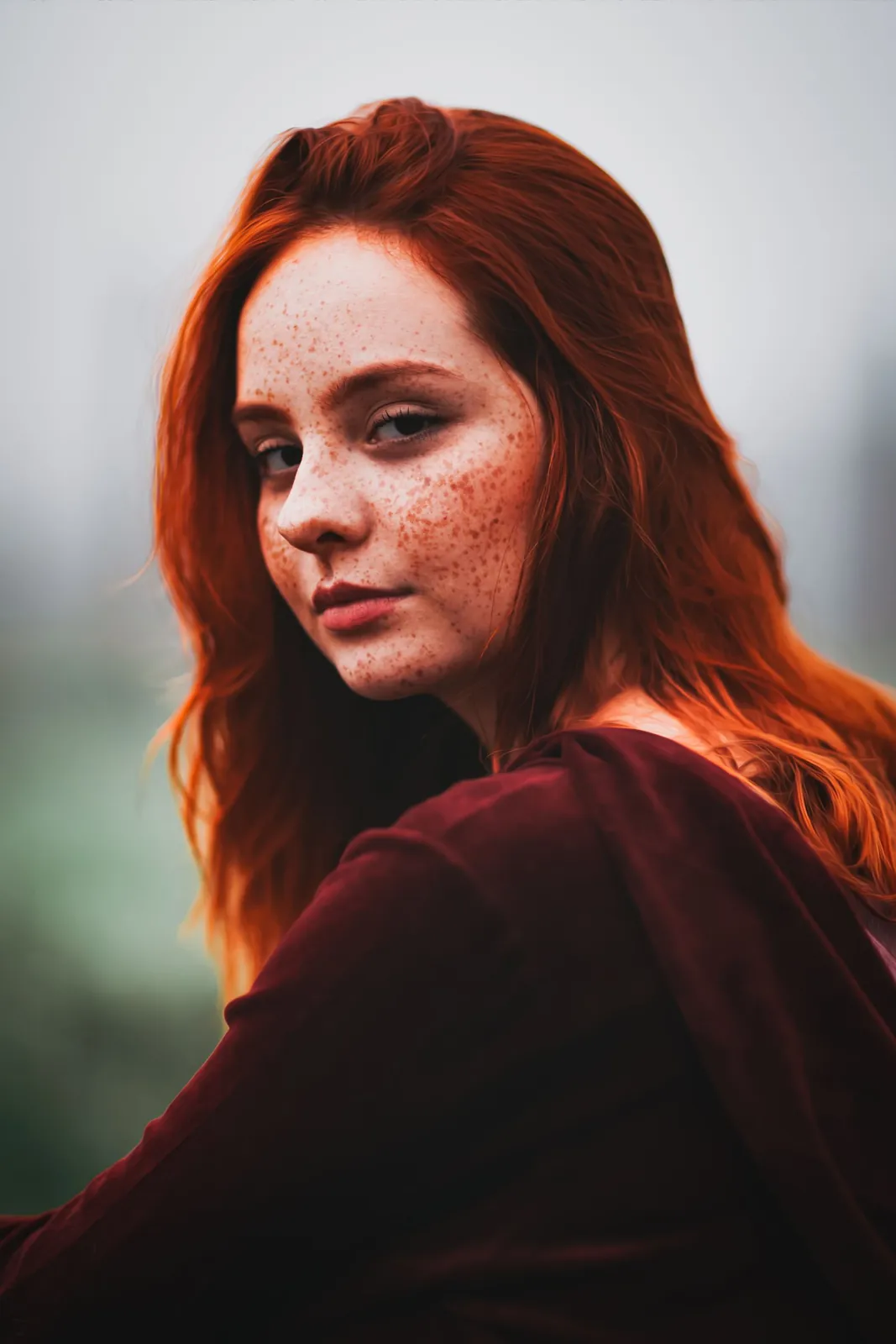
Red hair holds a lot of pheomelanin. Chemists track pheomelanin with TTCA, a marker molecule that comes from pheomelanin when hair is broken down.
Before you read the paper, take a guess. Black hair holds what percent of red hair’s TTCA? Give your reason in one sentence.
Hint
Think about which kind of melanin the video says colors black hair.
Read the paper
Ito and others, “Improved HPLC Conditions to Determine Eumelanin and Pheomelanin Contents in Biological Samples Using an Ion Pair Reagent,” International Journal of Molecular Sciences, 2020. The paper is free to read.
Chemists measure melanin by breaking the pigment into small marker molecules and measuring the markers. Alkaline hydrogen peroxide breaks eumelanin into PTCA, PDCA and PTeCA, and breaks pheomelanin into TTCA and TDCA. The markers show how much of each melanin a sample holds and what its building blocks look like. Table 2 of the paper reports all five markers in one sample of black human hair and one sample of red human hair, from five repeat analyses. Values are means ± standard deviation, in nanograms of marker per milligram of hair. The coefficient of variation (CV) sits in parentheses. PTCA, PDCA and PTeCA come from eumelanin. TTCA and TDCA come from pheomelanin.
| Hair | PTCA | PDCA | PTeCA | TTCA | TDCA | TTCA ÷ PTCA |
|---|---|---|---|---|---|---|
| Black | 205 ± 4.4 (2.1%) | 19.2 ± 0.60 (3.2%) | 82.0 ± 3.6 (4.4%) | 43.4 ± 0.94 (2.2%) | 19.4 ± 1.9 (9.7%) | |
| Red | 23.4 ± 1.2 (5.2%) | 10.7 ± 0.52 (4.8%) | 12.9 ± 1.6 (12.4%) | 169 ± 6.7 (4.0%) | 26.7 ± 0.86 (3.2%) |
In Table 2 of Ito’s 2020 paper, black hair held 43.4 ng of TTCA and 205 ng of PTCA per mg.
Black hair’s TTCA ÷ PTCA ratio in Table 2 is ____.
See the table
| Hair | PTCA | PDCA | PTeCA | TTCA | TDCA | TTCA ÷ PTCA |
|---|---|---|---|---|---|---|
| Black | 205 ± 4.4 (2.1%) | 19.2 ± 0.60 (3.2%) | 82.0 ± 3.6 (4.4%) | 43.4 ± 0.94 (2.2%) | 19.4 ± 1.9 (9.7%) | |
| Red | 23.4 ± 1.2 (5.2%) | 10.7 ± 0.52 (4.8%) | 12.9 ± 1.6 (12.4%) | 169 ± 6.7 (4.0%) | 26.7 ± 0.86 (3.2%) |

In Table 2 of Ito’s 2020 paper, red hair held 169 ng of TTCA and 23.4 ng of PTCA per mg.
Red hair’s TTCA ÷ PTCA ratio in Table 2 is ____.
See the table
| Hair | PTCA | PDCA | PTeCA | TTCA | TDCA | TTCA ÷ PTCA |
|---|---|---|---|---|---|---|
| Black | 205 ± 4.4 (2.1%) | 19.2 ± 0.60 (3.2%) | 82.0 ± 3.6 (4.4%) | 43.4 ± 0.94 (2.2%) | 19.4 ± 1.9 (9.7%) | |
| Red | 23.4 ± 1.2 (5.2%) | 10.7 ± 0.52 (4.8%) | 12.9 ± 1.6 (12.4%) | 169 ± 6.7 (4.0%) | 26.7 ± 0.86 (3.2%) |
In Table 2 of Ito’s 2020 paper, red hair’s TTCA-to-PTCA ratio is about ____ times black hair’s ratio.
See the table
| Hair | PTCA | PDCA | PTeCA | TTCA | TDCA | TTCA ÷ PTCA |
|---|---|---|---|---|---|---|
| Black | 205 ± 4.4 (2.1%) | 19.2 ± 0.60 (3.2%) | 82.0 ± 3.6 (4.4%) | 43.4 ± 0.94 (2.2%) | 19.4 ± 1.9 (9.7%) | |
| Red | 23.4 ± 1.2 (5.2%) | 10.7 ± 0.52 (4.8%) | 12.9 ± 1.6 (12.4%) | 169 ± 6.7 (4.0%) | 26.7 ± 0.86 (3.2%) |

In Table 2 of Ito’s 2020 paper, black hair holds ____ of red hair’s TTCA.
See the table
| Hair | PTCA | PDCA | PTeCA | TTCA | TDCA | TTCA ÷ PTCA |
|---|---|---|---|---|---|---|
| Black | 205 ± 4.4 (2.1%) | 19.2 ± 0.60 (3.2%) | 82.0 ± 3.6 (4.4%) | 43.4 ± 0.94 (2.2%) | 19.4 ± 1.9 (9.7%) | |
| Red | 23.4 ± 1.2 (5.2%) | 10.7 ± 0.52 (4.8%) | 12.9 ± 1.6 (12.4%) | 169 ± 6.7 (4.0%) | 26.7 ± 0.86 (3.2%) |
TTCA holds a sulfur atom. Of the pathway’s starting molecules, only cysteine carries sulfur.
What do the 43.4 ng of TTCA per mg of black hair tell you about cysteine in the melanocytes that colored black hair?
See the table
| Hair | PTCA | PDCA | PTeCA | TTCA | TDCA | TTCA ÷ PTCA |
|---|---|---|---|---|---|---|
| Black | 205 ± 4.4 (2.1%) | 19.2 ± 0.60 (3.2%) | 82.0 ± 3.6 (4.4%) | 43.4 ± 0.94 (2.2%) | 19.4 ± 1.9 (9.7%) | |
| Red | 23.4 ± 1.2 (5.2%) | 10.7 ± 0.52 (4.8%) | 12.9 ± 1.6 (12.4%) | 169 ± 6.7 (4.0%) | 26.7 ± 0.86 (3.2%) |
In Table 2, PTeCA in red hair had a CV of 12.4% and TDCA in black hair had a CV of 9.7%. Most CVs fell under 5%.
Why would PTeCA in red hair and TDCA in black hair vary more than the other markers in Table 2 of Ito’s paper?
See the table
| Hair | PTCA | PDCA | PTeCA | TTCA | TDCA | TTCA ÷ PTCA |
|---|---|---|---|---|---|---|
| Black | 205 ± 4.4 (2.1%) | 19.2 ± 0.60 (3.2%) | 82.0 ± 3.6 (4.4%) | 43.4 ± 0.94 (2.2%) | 19.4 ± 1.9 (9.7%) | |
| Red | 23.4 ± 1.2 (5.2%) | 10.7 ± 0.52 (4.8%) | 12.9 ± 1.6 (12.4%) | 169 ± 6.7 (4.0%) | 26.7 ± 0.86 (3.2%) |
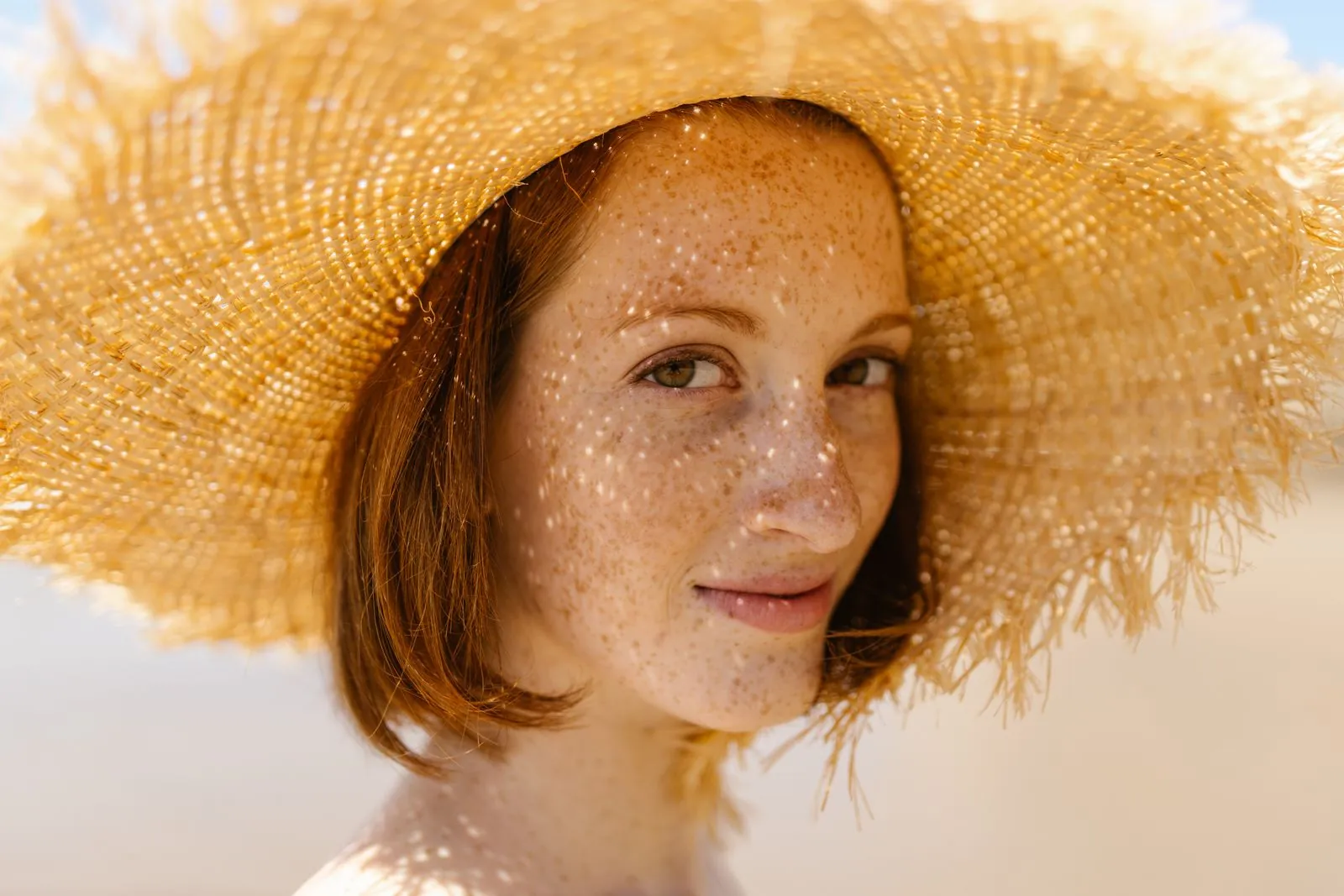
Pheomelanin blocks less UV than eumelanin and can produce reactive oxygen species under UV.
Based on Table 2 of Ito’s paper, which melanocytes would likely give skin less protection from UV?
See the table
| Hair | PTCA | PDCA | PTeCA | TTCA | TDCA | TTCA ÷ PTCA |
|---|---|---|---|---|---|---|
| Black | 205 ± 4.4 (2.1%) | 19.2 ± 0.60 (3.2%) | 82.0 ± 3.6 (4.4%) | 43.4 ± 0.94 (2.2%) | 19.4 ± 1.9 (9.7%) | |
| Red | 23.4 ± 1.2 (5.2%) | 10.7 ± 0.52 (4.8%) | 12.9 ± 1.6 (12.4%) | 169 ± 6.7 (4.0%) | 26.7 ± 0.86 (3.2%) |
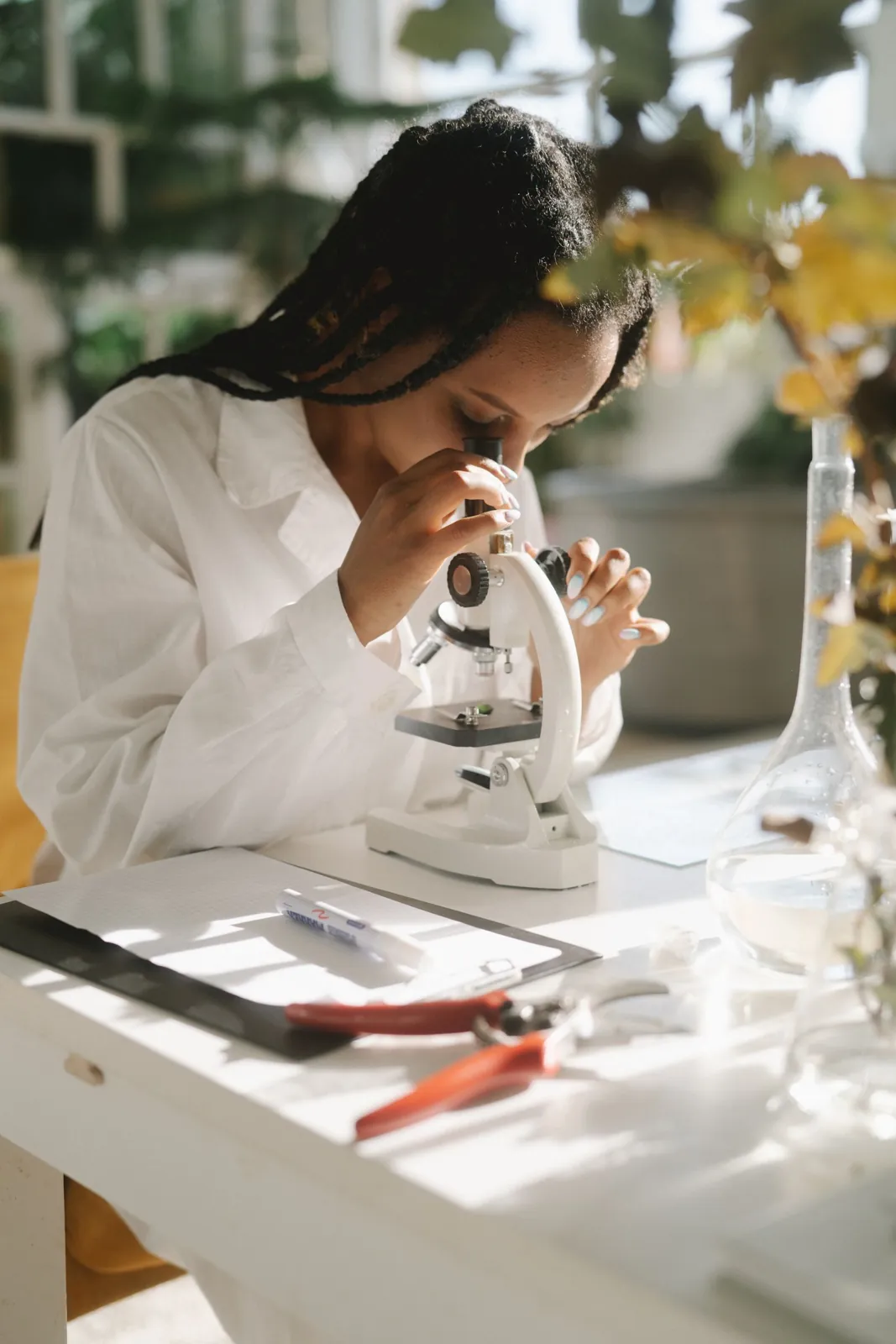
Which study would best test whether red-hair-type melanocytes give skin less UV protection?
See the table
| Hair | PTCA | PDCA | PTeCA | TTCA | TDCA | TTCA ÷ PTCA |
|---|---|---|---|---|---|---|
| Black | 205 ± 4.4 (2.1%) | 19.2 ± 0.60 (3.2%) | 82.0 ± 3.6 (4.4%) | 43.4 ± 0.94 (2.2%) | 19.4 ± 1.9 (9.7%) | |
| Red | 23.4 ± 1.2 (5.2%) | 10.7 ± 0.52 (4.8%) | 12.9 ± 1.6 (12.4%) | 169 ± 6.7 (4.0%) | 26.7 ± 0.86 (3.2%) |
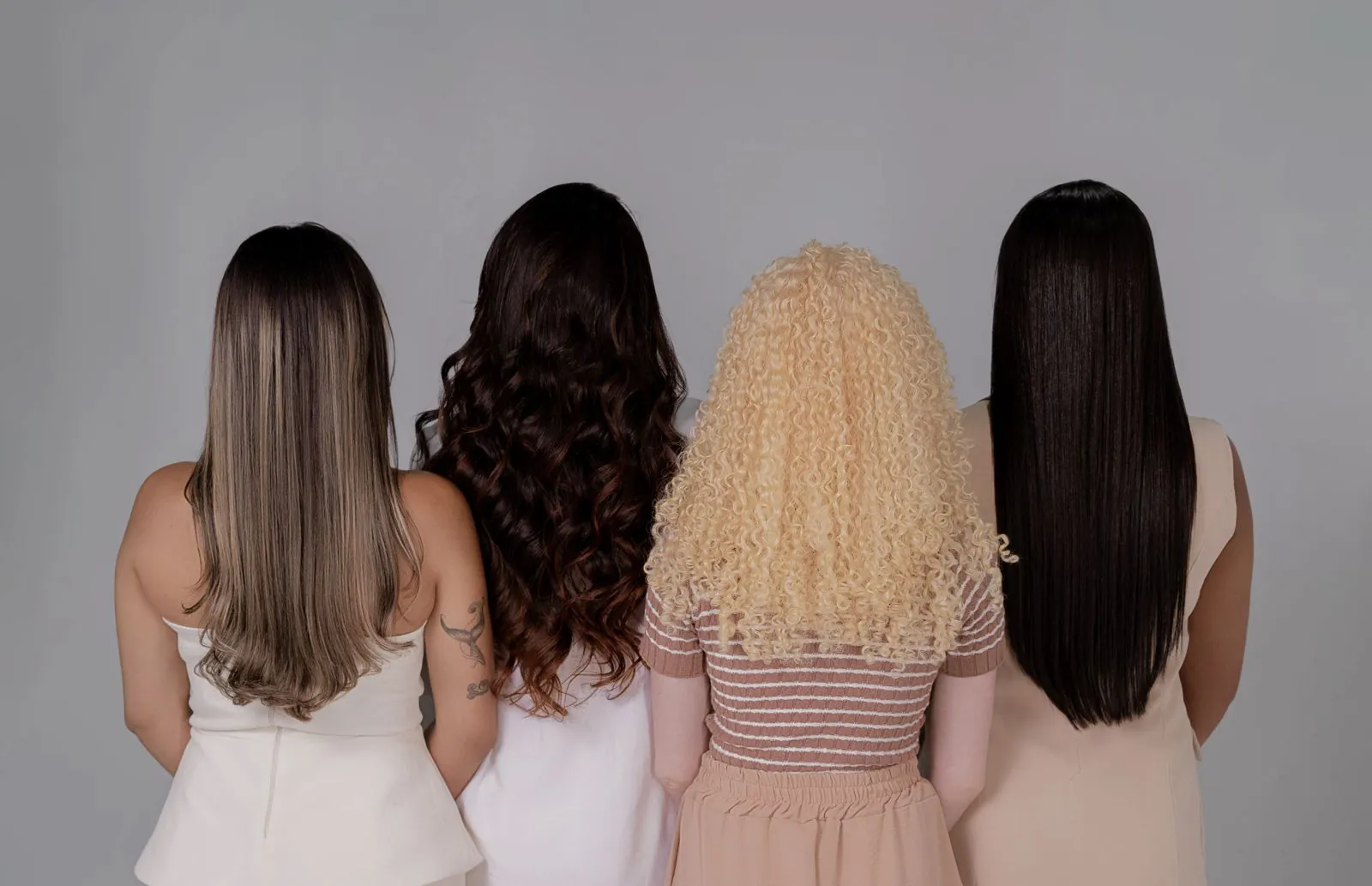
Table 2 of Ito’s 2020 paper compares five melanin markers in one black hair sample and one red hair sample.
Which summary fits Table 2 of Ito’s 2020 paper?