The Science of Melanin, Middle school
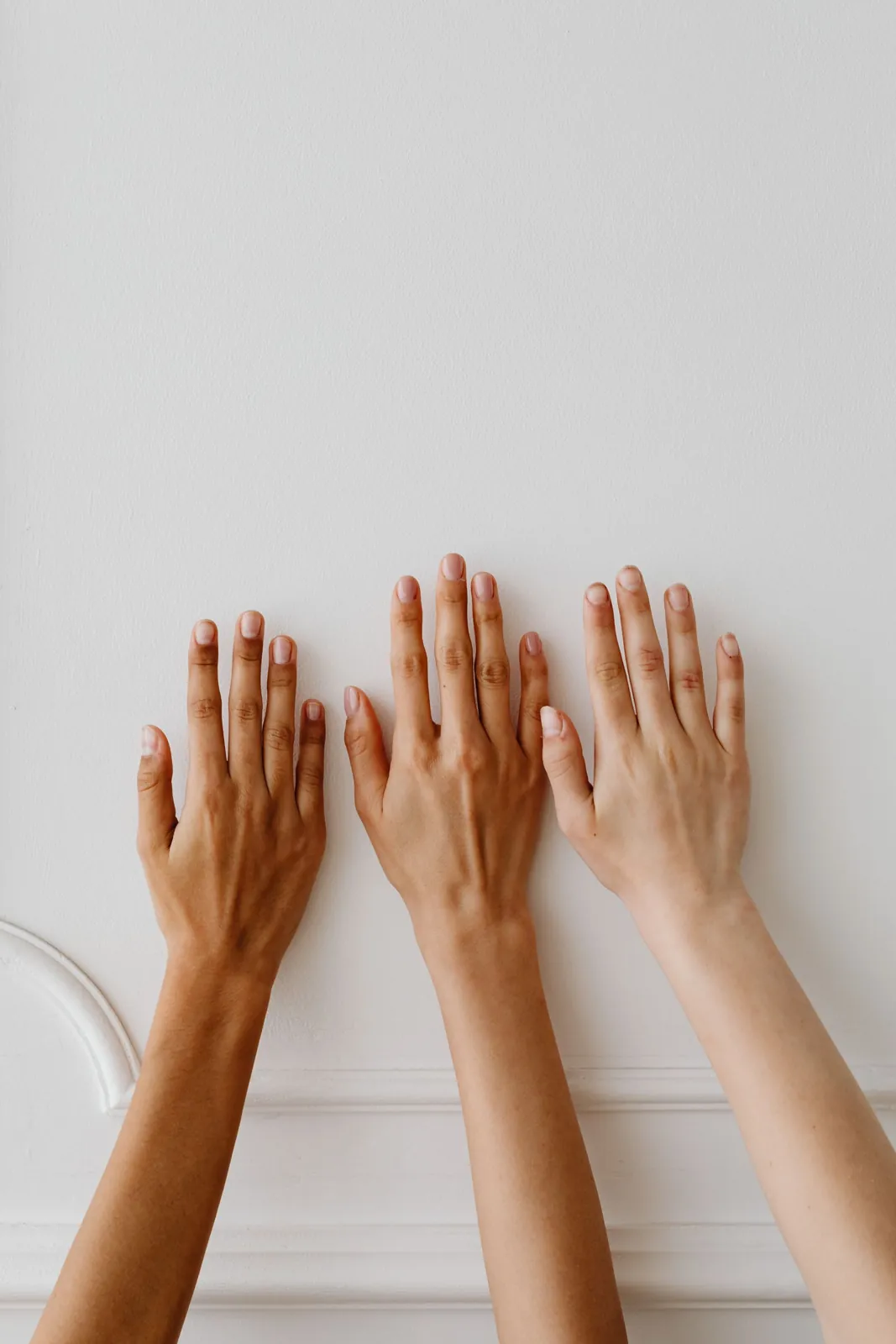
Your word of the day is
MEL-uh-nin
melan-blackfrom Greek mélās
-inan ending for names of chemicalsfrom New Latin -ina
A family of natural pigments that give color to skin, hair, eyes, feathers and more.
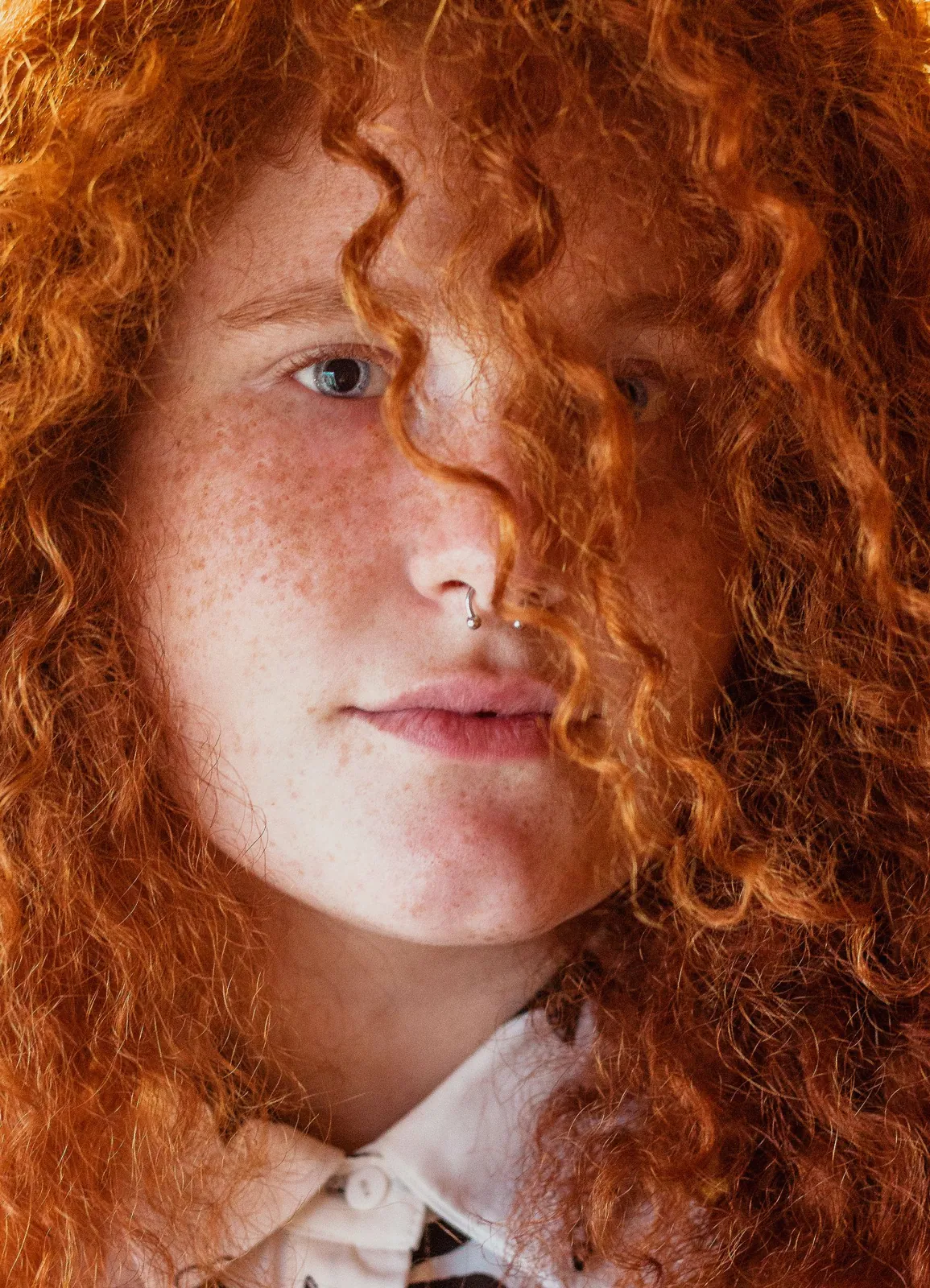
Melanin comes in three main kinds. Eumelanin makes brown and black colors. Pheomelanin makes red and yellow colors. Neuromelanin is found in the brain.
Which kind of melanin gives red hair its red color?
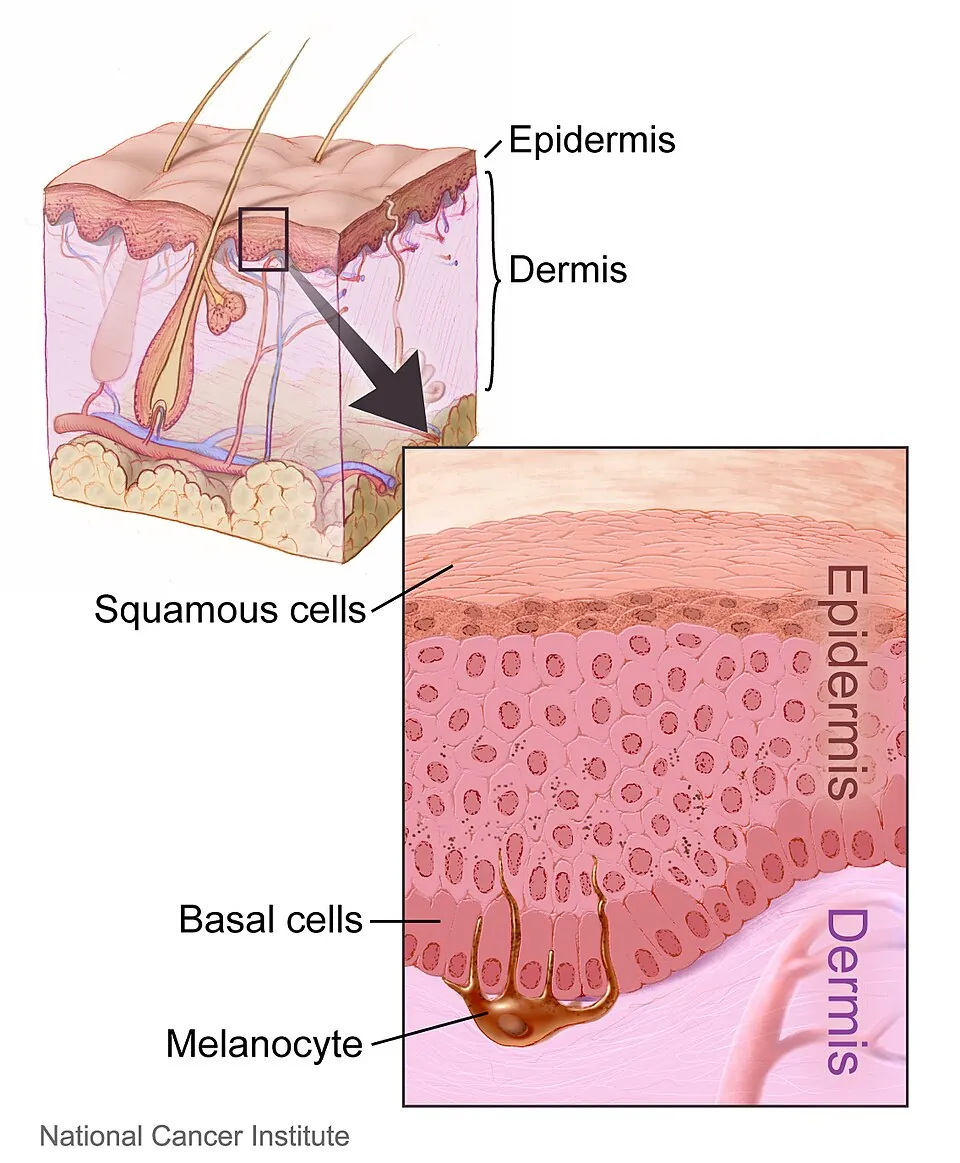
Each melanocyte passes melanin to about 36 skin cells. In each cell, the melanin forms a cap over the DNA.
How does melanin from a melanocyte help protect nearby skin cells from the sun?
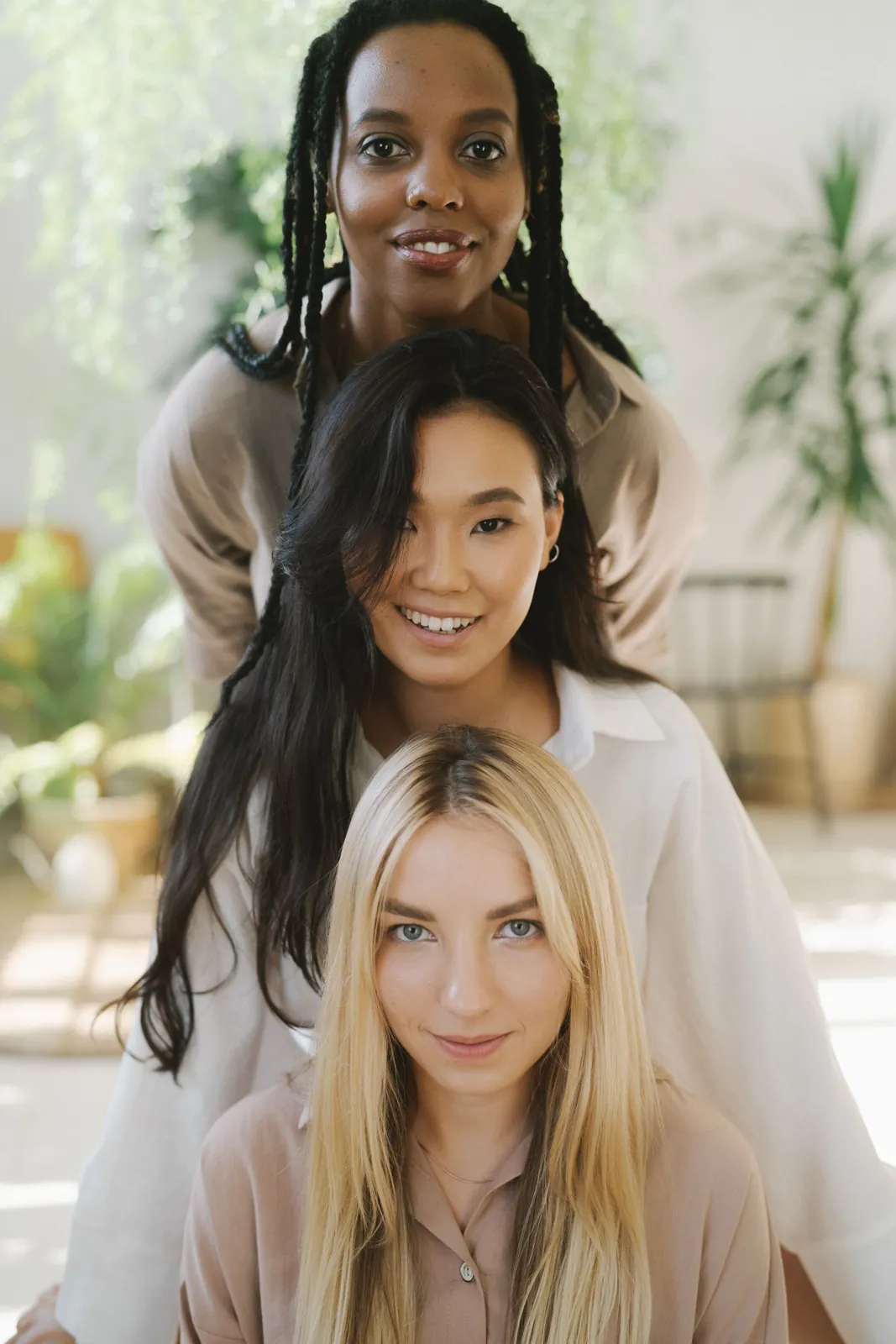
Light skin and dark skin have about the same number of melanocytes.
What makes one person’s skin darker than another person’s skin?
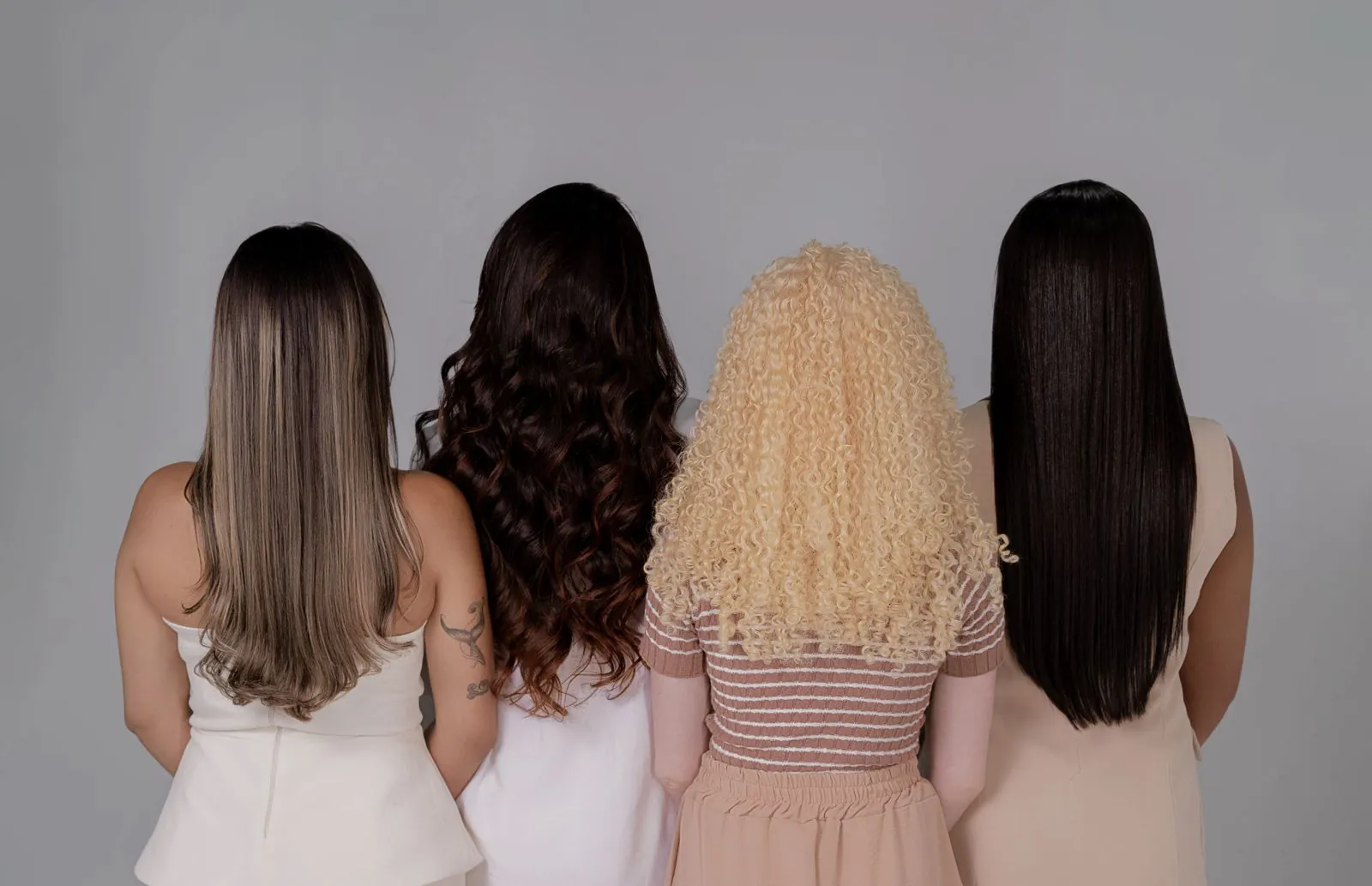
Hair color comes from melanin made by melanocytes.
How can melanocytes, all the same kind of cell, make black hair, blond hair or red hair?
Lesson complete
Today’s word
melanin
MEL-uh-nin
A family of natural pigments that give color to skin, hair, eyes, feathers and more.
Look at these again
You got every question right the first time.
Sources
- Shosuke Ito, Sandra Del Bino, Tomohisa Hirobe and Kazumasa Wakamatsu, at Fujita Health University, L’Oréal Research and Innovation and Shinjuku Skin Clinic, International Journal of Molecular Sciences, 2020
- Shosuke Ito and Kazumasa Wakamatsu, Fujita Health University, Journal of the European Academy of Dermatology and Venereology, 2011
- Michaela Brenner and Vincent Hearing, National Cancer Institute, Photochemistry and Photobiology, 2008
- Meredith and Riesz, University of Queensland, Photochemistry and Photobiology, 2004
- Erin Wolf Horrell, Mary Boulanger and John D’Orazio, University of Kentucky, Frontiers in Genetics, 2016
- Karen Grønskov, Jakob Ek and Karen Brondum-Nielsen, Kennedy Center, Denmark, Orphanet Journal of Rare Diseases, 2007
- Sandra Del Bino, Shosuke Ito, Juliette Sok and Kazumasa Wakamatsu, at L’Oréal Research and Innovation and Fujita Health University, Pigment Cell and Melanoma Research, 2022
- Commo, Gaillard and Bernard, L’Oréal Recherche, British Journal of Dermatology, 2004
- Luigi Zecca and colleagues, PNAS, 2004
- Svenja Esser, Maximilian Hausherr and colleagues, Ruhr University Bochum, Biomedicines, 2025
- Charles Derby, Georgia State University, Marine Drugs, 2014
- Radames Cordero and Arturo Casadevall, Johns Hopkins Bloomberg School of Public Health, Fungal Biology Reviews, 2017
- Agnieszka Zdybicka-Barabas, Sylwia Stączek, Magdalena Kunat-Budzyńska and colleagues, Maria Curie-Skłodowska University, International Journal of Molecular Sciences, 2025
- Vision and Change core concepts and competencies, as summarized in Brownell and others, CBE Life Sciences Education, 2014
- Word origins and formulas from Dictionary.com: melanin, melano-, -in, eumelanin, pheomelanin, neuromelanin, melanocyte, -cyte, eu-, neuro-, melancholy, melanoma, keratin, euphony, tyrosine, cysteine, pyrrole, thiazole
- The Metropolitan Museum of Art, “A Happy Occasion for Melencolia I”
- Spanish and French spellings from Wiktionary
- Transcript from the English captions uploaded with the YouTube video