NASA Spinoffs in Your Life, Middle school

Look at the camera on a phone. Inside sits a tiny chip that turns light into a picture.
Did a NASA engineer invent the kind of camera chip that’s in phones?
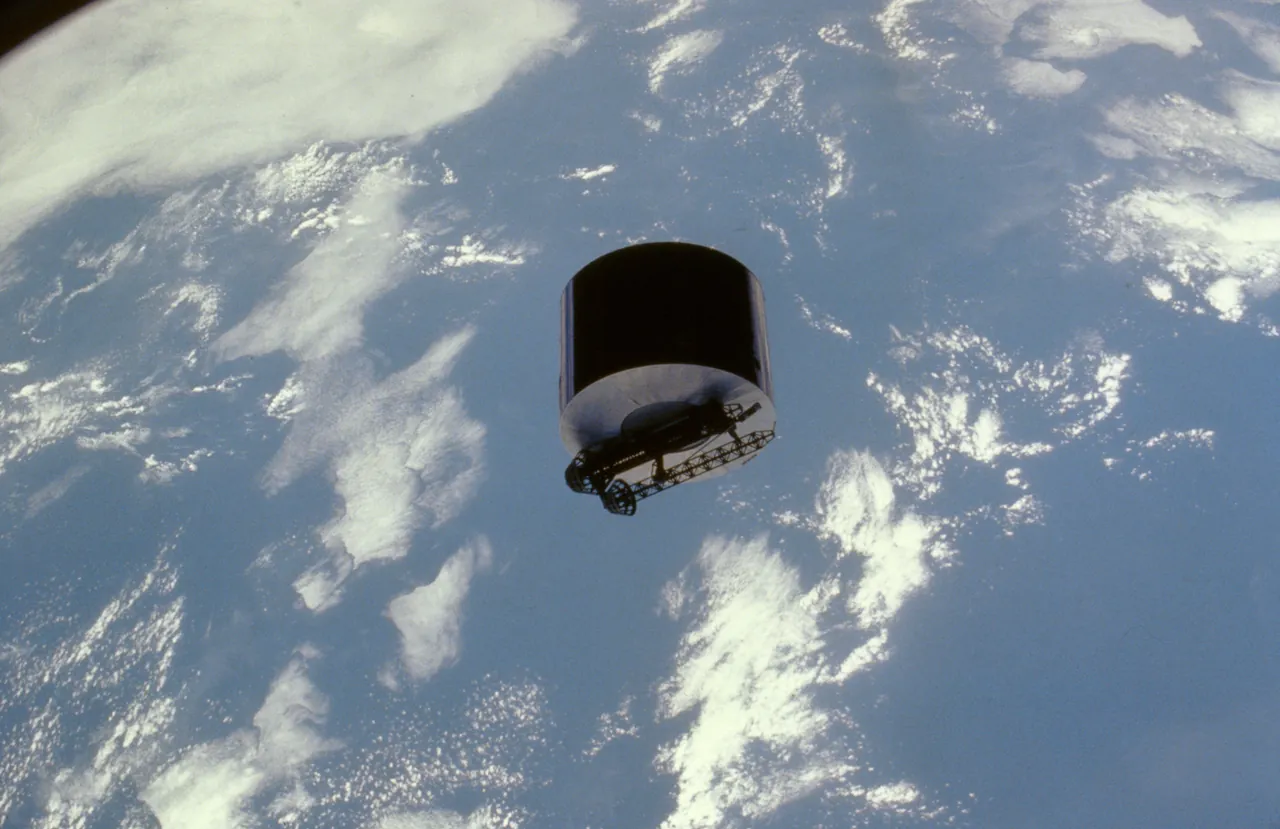
Your word of the day is
SAT-l-ite
A natural body that revolves around a planet, such as a moon, or a device designed to be launched into orbit around Earth, another planet or the Sun.
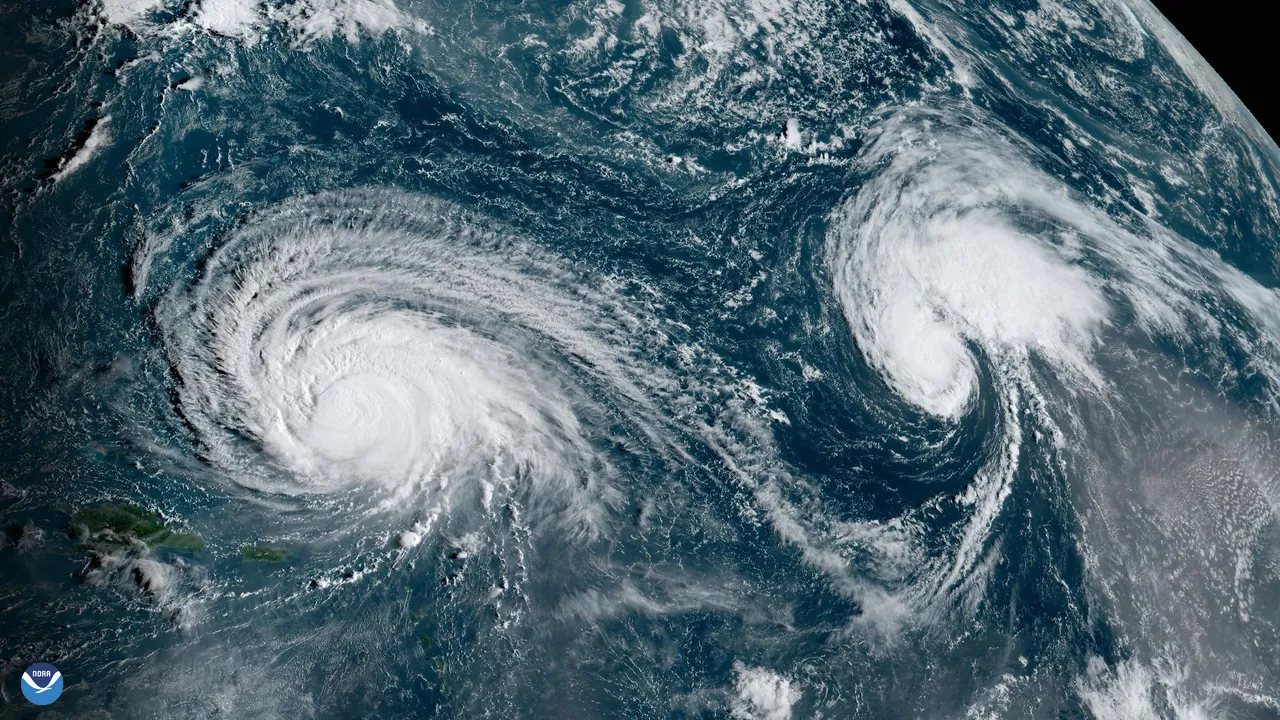
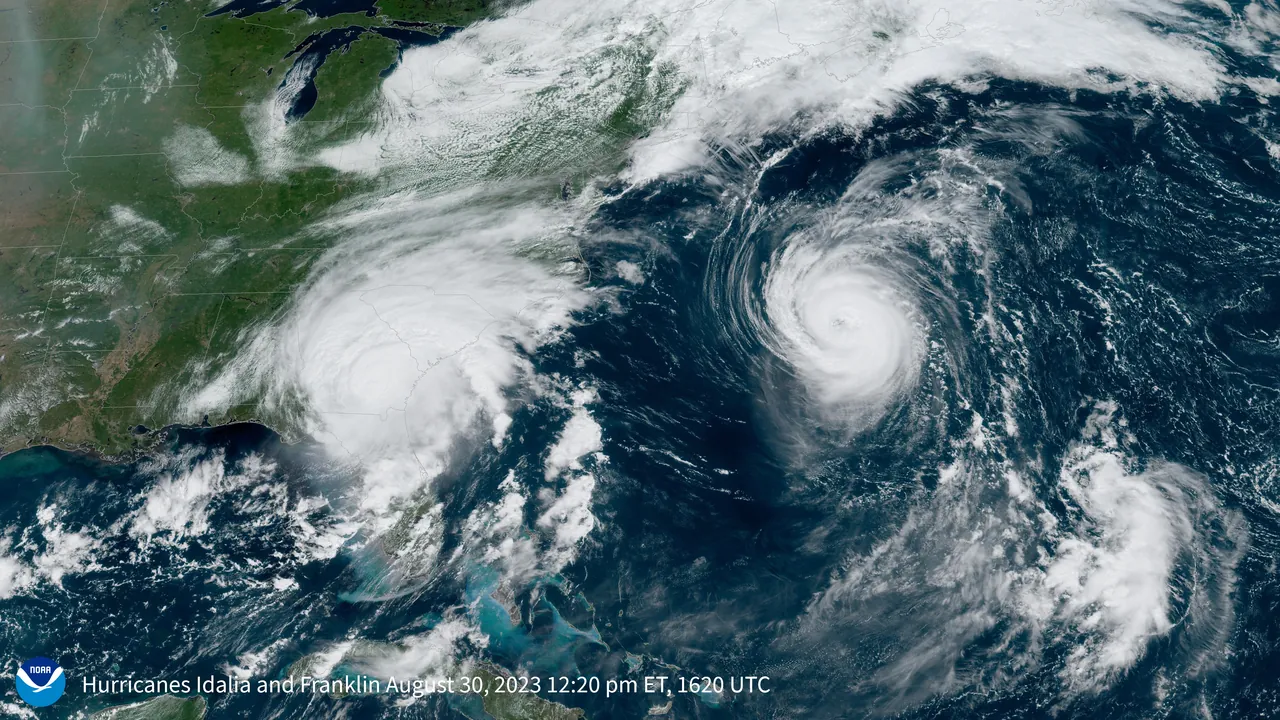
GOES weather satellites take pictures and measurements of storms from high above Earth.
How do weather satellites help keep people safe from hurricanes?
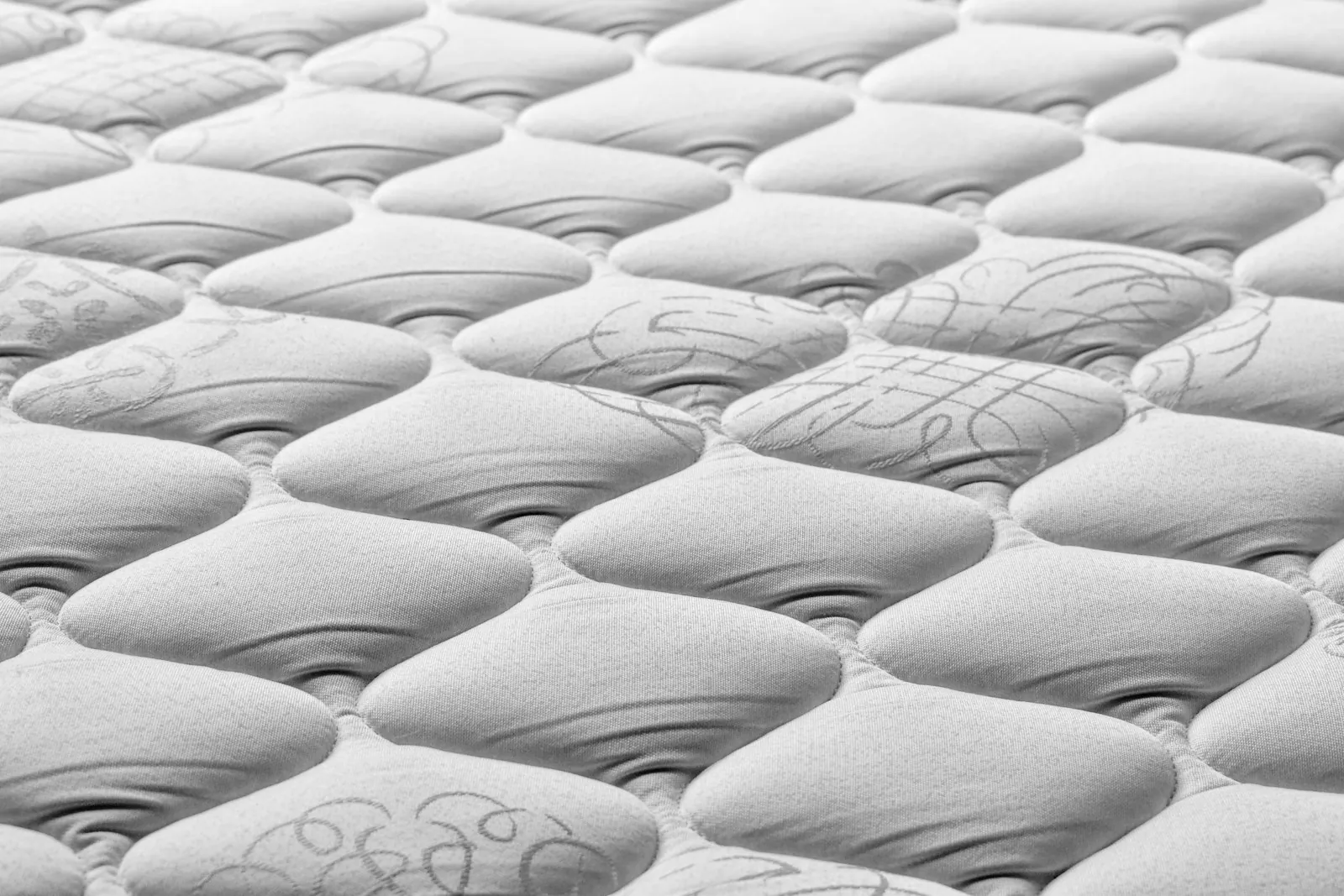
Memory foam takes the shape of your body and then slowly springs back.
Why would memory foam made for airplane seats also make a good mattress?
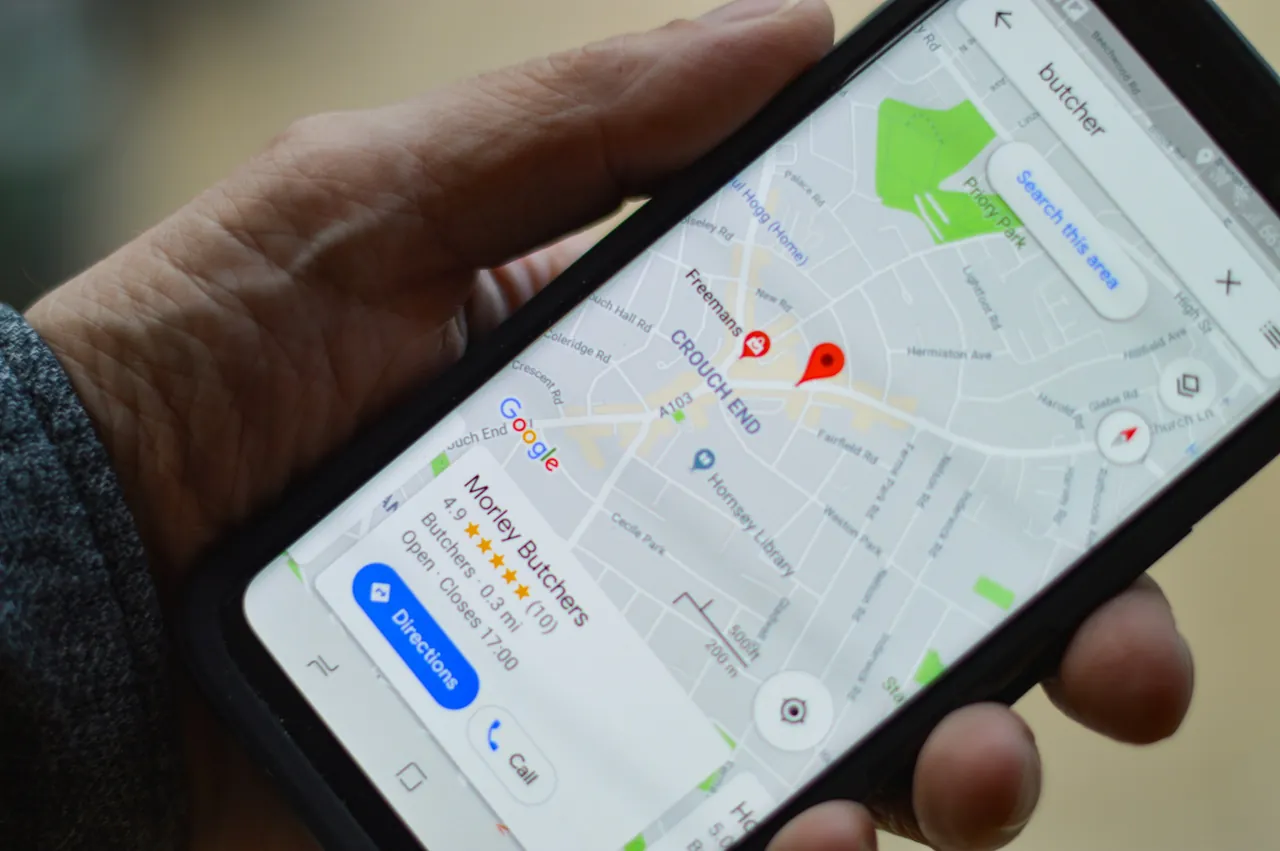
The US Air Force built GPS. NASA’s Jet Propulsion Laboratory wrote software that fixes small GPS errors.
What part did NASA play in the pin on your map?
The NHC’s average two-day hurricane forecast error was 252.5 nautical miles in the 1970s, 226.4 in the 1980s, 157.2 in the 1990s, 103.7 in the 2000s, 67.7 in the 2010s and 55.2 from 2020 to 2025.
What do the National Hurricane Center’s forecast errors show?
Lesson complete
Today’s word
satellite
SAT-l-ite
An object in space that travels around a bigger object, like a planet. The Moon is Earth’s natural satellite. People launch satellites too, like the weather satellites that watch storms.
Look at these again
You got every question right the first time.
Sources
- Eric Fossum and colleagues at NASA’s Jet Propulsion Laboratory, NASA Spinoff 2017 and a JPL news release, June 20, 1995
- Charles Yost, under a NASA contract through Stencel Aero Engineering, with NASA’s Ames Research Center, NASA Spinoff 2005, “Forty-Year-Old Foam Springs Back With New Benefits”
- Al Gross for AVIA, and KangaROOS USA, NASA Spinoff 1991 and NASA Spinoff 1986
- William English, Douglas Engelbart and Bonnie Huddart, Stanford Research Institute, for NASA’s Langley Research Center, Final report, “Computer-Aided Display Control,” 1965
- NASA’s Lewis Research Center, licensed to Air Products and Chemicals, NASA Spinoff 1996
- NASA’s Langley Research Center, with Speedo, “Space-Age Swimsuit Reduces Drag, Breaks Records,” NASA
- NASA-funded researchers working on life support for Mars missions, “Enriched Baby Formula,” NASA
- NASA, which builds and launches the GOES satellites, and NOAA, which runs them, NASA’s GOES mission page
- NOAA’s National Hurricane Center (NHC), “Official error trends,” NHC Forecast Verification, updated July 8, 2026, and its table “Average NHC Atlantic Track Forecast Errors (n mi), Tropical Storms and Hurricanes” (verification as of May 12, 2026)
- NOAA’s satellite and information service (NESDIS), “Twenty Years After Katrina: NOAA Satellite Advancements for Hurricane Forecasts and Tracking,” August 28, 2025
- The Planetary Society, a group that argues for space science funding, Press release, May 30, 2025
- NASA’s Jet Propulsion Laboratory, NASA Spinoff 2019
- Plantronics, with NASA engineers, NASA Spinoff 2005, “Crystal-Clear Communication a Sweet-Sounding Success”
- NASA’s Spinoff office, Spinoff FAQ
- NASA Spinoff articles on the video’s other claims: CT scans, eye surgery
- NASA pages: memory foam, clear braces, NASA history
- Rob Sharp, “50 years, 50 giant leaps: How NASA rocked our world”, The Irish Independent, July 29, 2008, the source of the Nike Air story
- NASA budget: SpacePolicyOnline, July 10, 2025, The Planetary Society and its May 30, 2025 press release, and Roohi Dalal, “Congress Passes Fiscal Year 2026 Spending Bills for NSF, NASA, and DOE,” American Astronomical Society, January 15, 2026, for the final 2026 budget (H.R. 6938, signed January 23, 2026)
- NGSS pages for the practice and connection elements, linked in the standards table: MS-PS1-3, HS-PS4-4, HS-PS4-5
- ABET, Criteria for Accrediting Engineering Programs, 2026-2027, Criterion 3, Student Outcomes
- Word origins from Dictionary.com: satellite, sputnik, aeronautics, aero-, nautical
- Transcript from the lyrics on the July 2025 version of Raven’s blog post, and outro quotes from the current post
- Instagram original, not linked because Instagram needs a login