Nerdy Jobs: Protein Crystallization, College
Meet the scientist
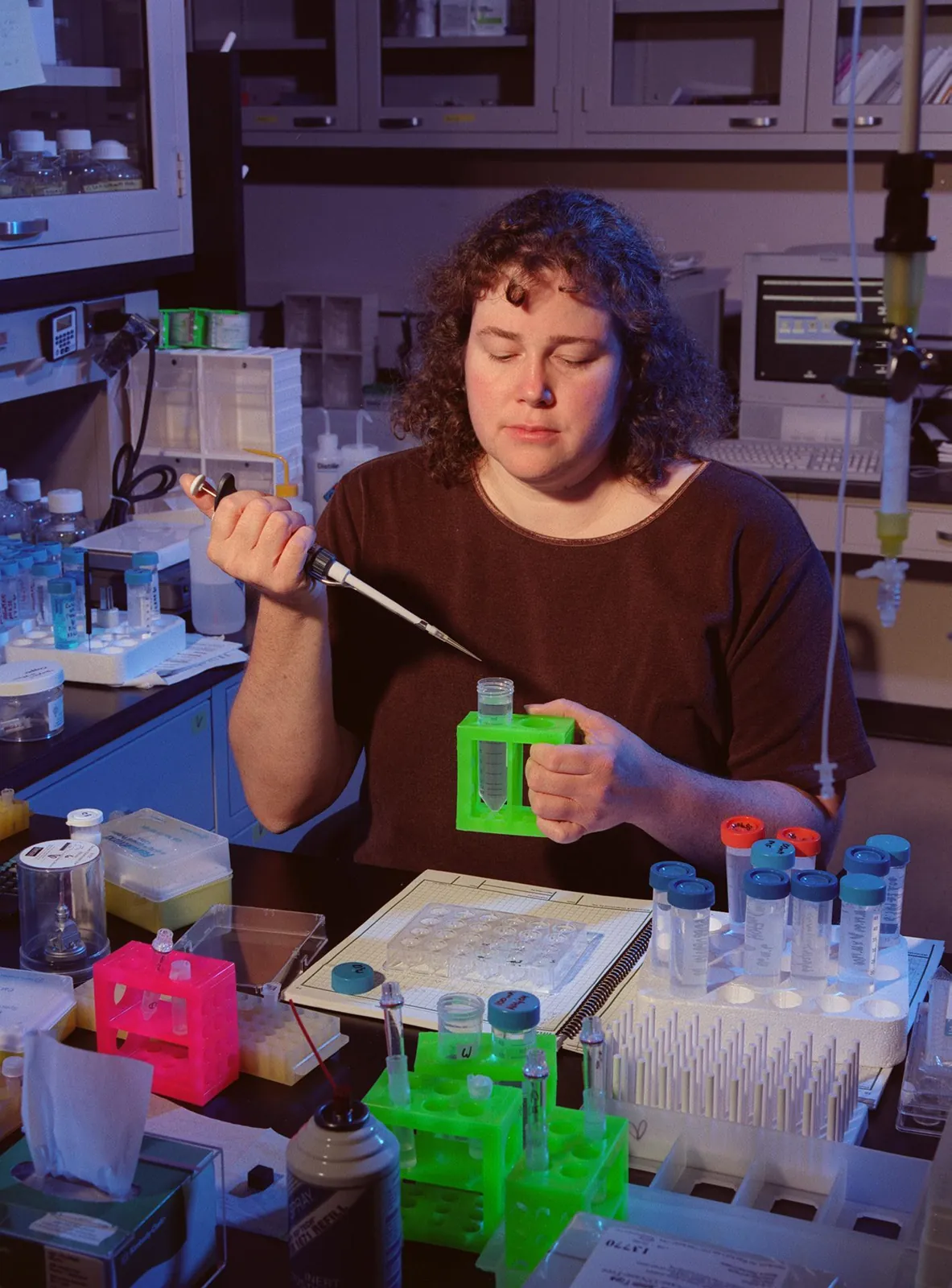
Dr. Sarah E. J. Bowman
- Job titleStructural biologist. Associate Investigator and Director of the National High-Throughput Crystallization Center at the Hauptman-Woodward Medical Research Institute (HWI) in Buffalo, New York, as listed in her 2023 American Crystallographic Association bio.
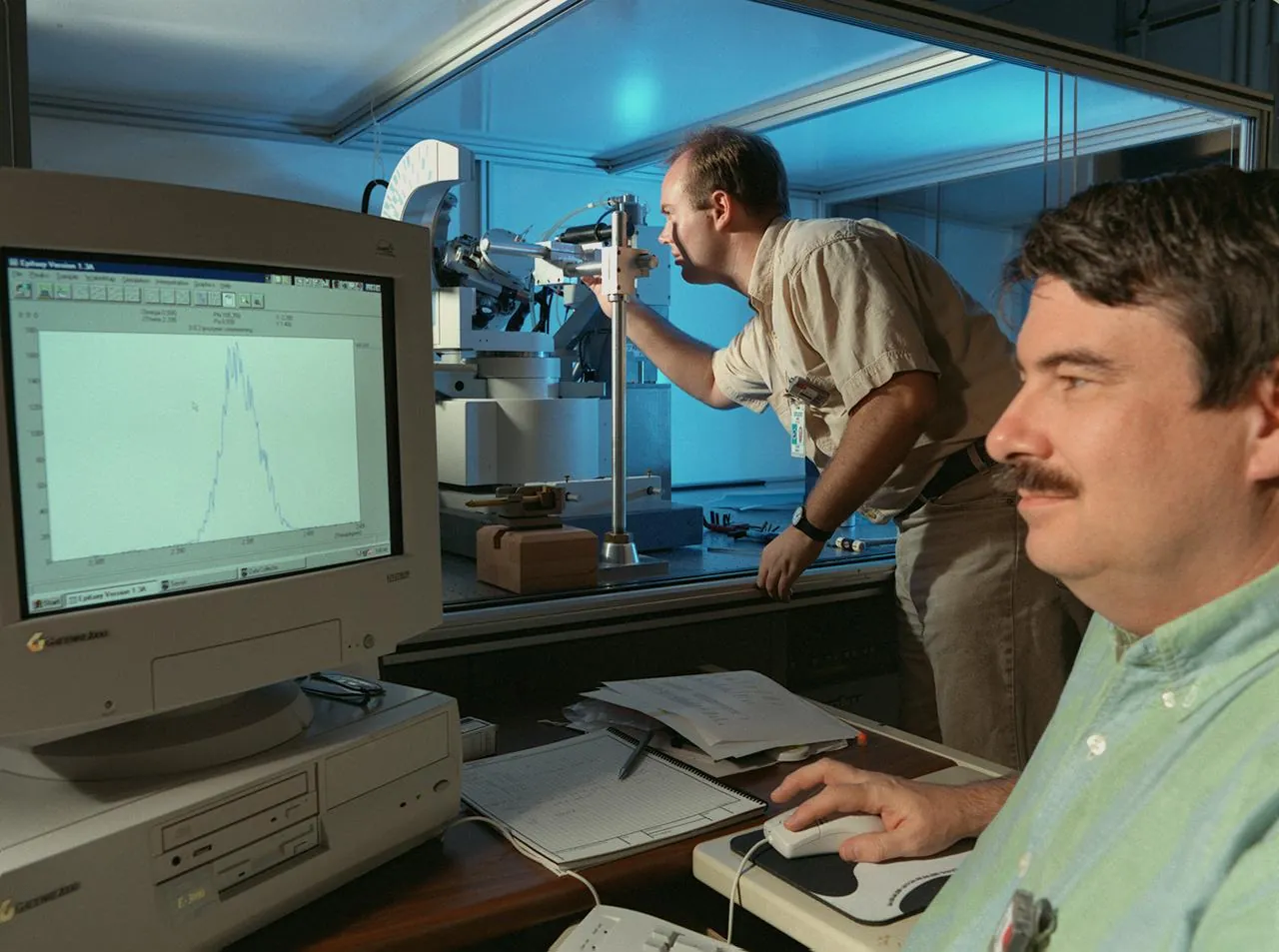
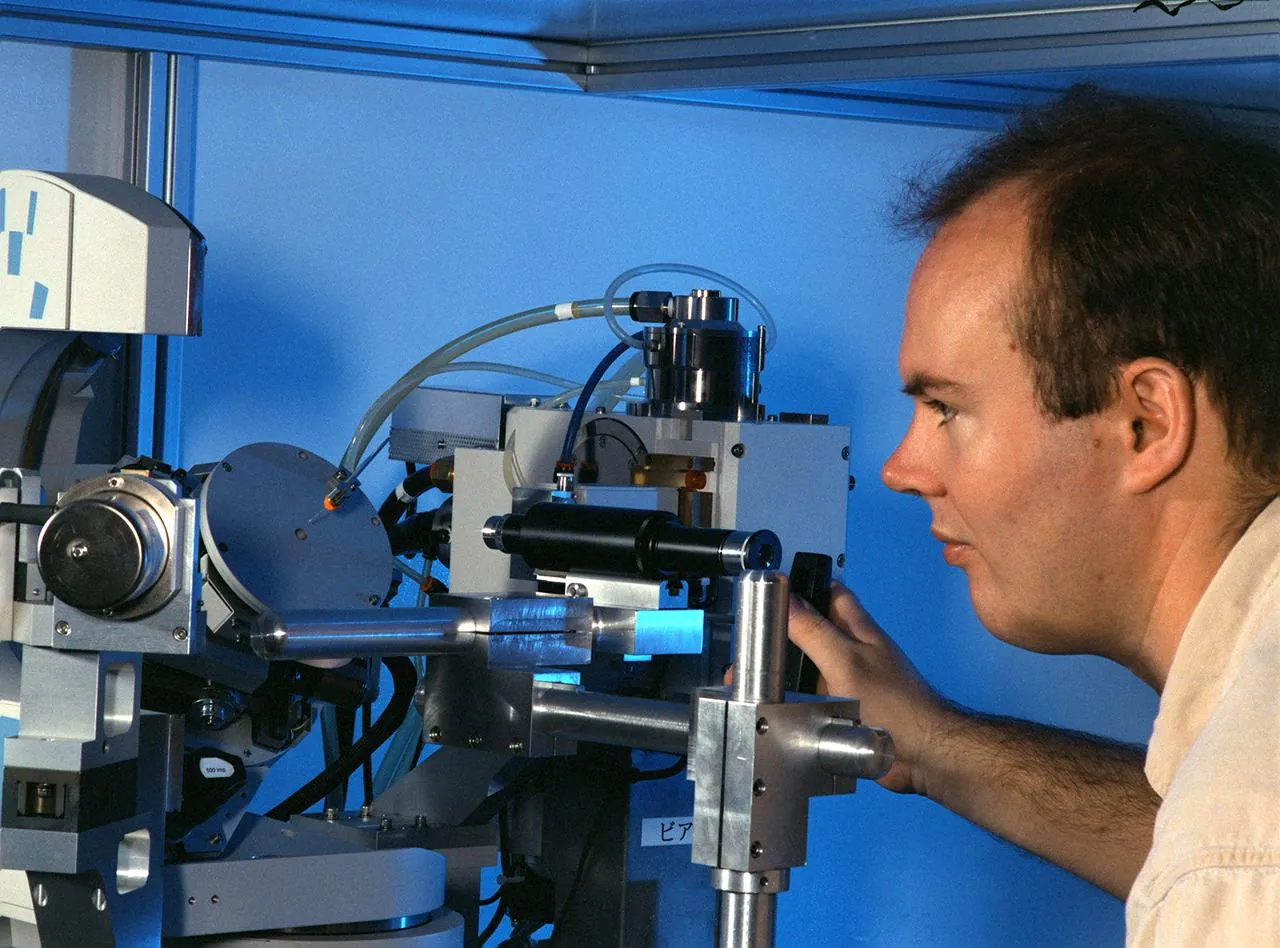
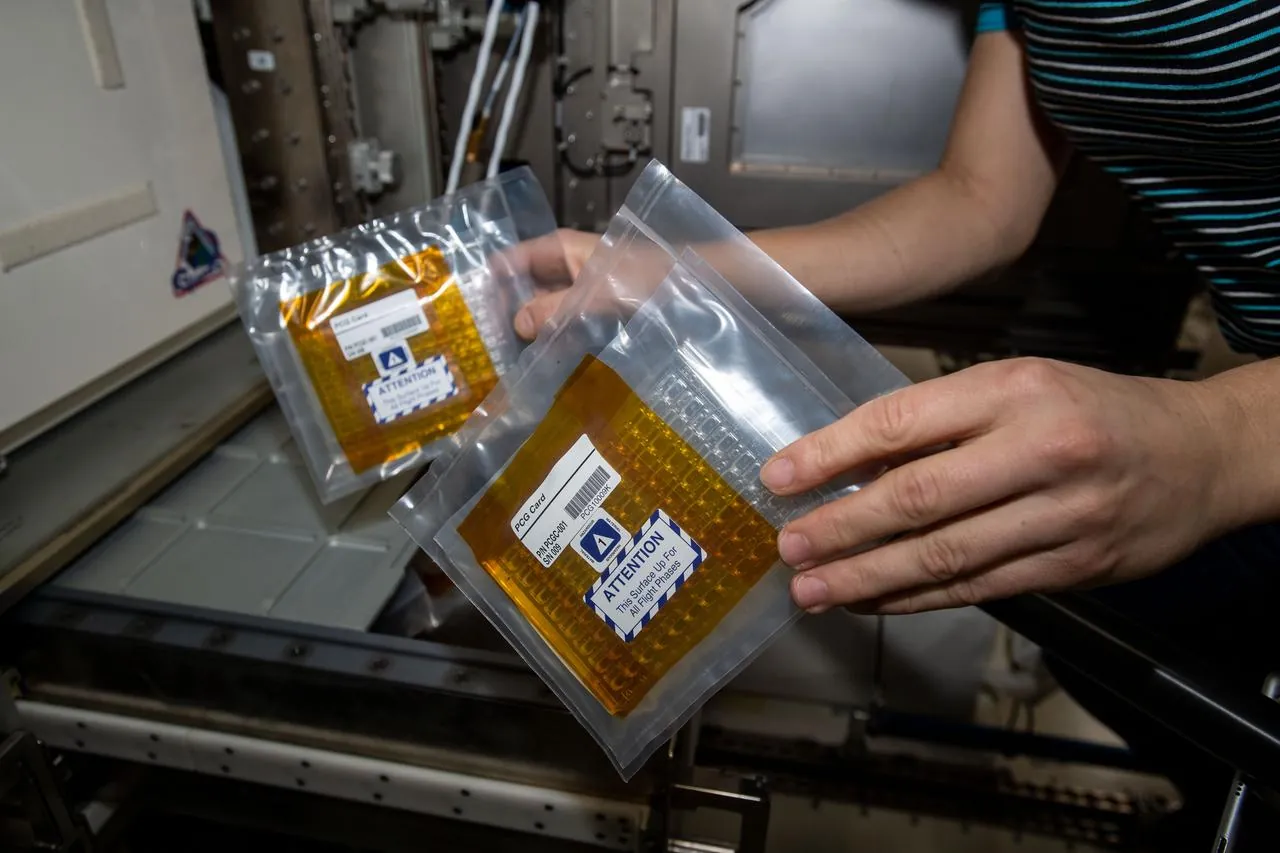
- A workdayThe center has run crystallization screens since early 2000, for over 2,000 user labs and over 18,000 samples. Each sample is tested against 1,536 cocktails in 400-nanoliter drops under oil. Imagers photograph each drop at day 1 and at weeks 1, 2, 3, 4 and 6, with brightfield, UV fluorescence and second harmonic generation imaging. Her research group develops methods to crystallize macromolecules and detect tiny crystals. The group also pairs crystallography with spectroscopy to study metal-binding proteins tied to bacterial infections and neurological diseases.
- TrainingB.A. in English literature and women’s studies, Cornell College, 1996. B.S. in chemistry, Metropolitan State College of Denver, 2005. Ph.D. in chemistry, University of Rochester, 2010. Postdoctoral research at MIT (2010 to 2016) and Los Alamos National Laboratory (2016 to 2017).
Your word of the day is
kris-tuh-LOG-ruh-fee
The science of crystals and how they form.
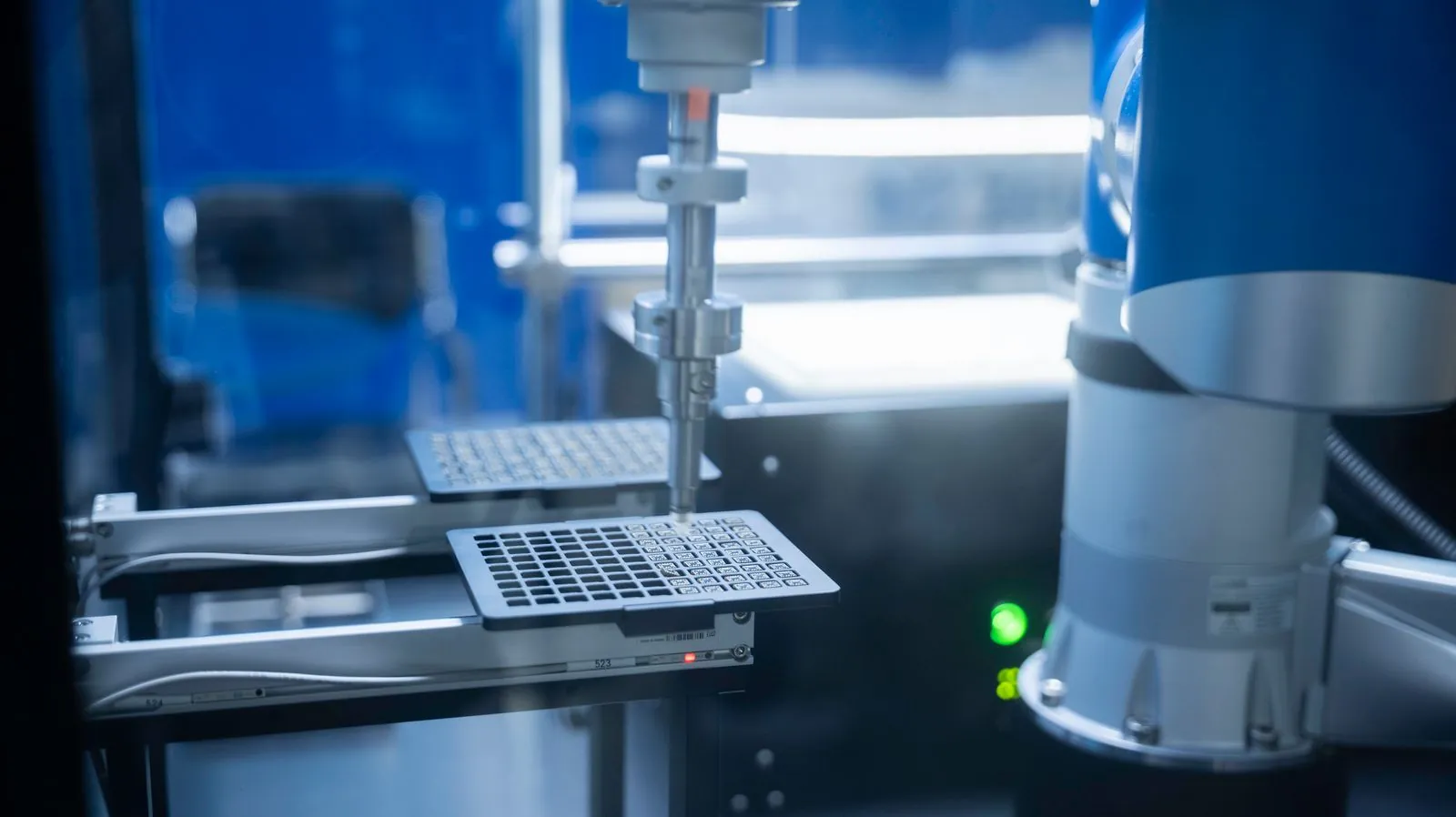
Hauptman-Woodward’s screening lab tests each protein sample against 1,536 crystallization cocktails. From 2000 to 2010, the lab tracked the samples it screened for structural genomics groups, large projects that set out to solve structures for many proteins.
Make a guess before you read the paper. What percent of those samples led to a structure deposited in the Protein Data Bank (PDB)? Give your reasoning in one sentence.
Hint
List the steps between a purified protein and a solved structure. Each step can fail.
Read the paper
Luft, Snell and DeTitta, “Lessons from high-throughput protein crystallization screening: 10 years of practical experience,” Expert Opinion on Drug Discovery, 2011. The paper is free to read.
Joseph Luft, Edward Snell and George DeTitta ran HWI’s high-throughput screening lab, the center Dr. Bowman directs today. Each sample gets 1,536 cocktails in drops of 200 nanoliters of protein plus 200 nanoliters of cocktail under oil, photographed at day 1 and at weeks 1, 2, 3, 4 and 6. Table 1 of the paper counts the samples the lab received each year. For the structural genomics samples, Table 1 also counts the structures later deposited in the PDB. The authors note that structures reach the PDB some time after a sample passes through the lab.
| Year | All samples | Structural genomics samples | Structures deposited in the PDB | Percent of structural genomics samples that became structures |
|---|---|---|---|---|
| 2000 | 227 | 13 | 0 | |
| 2001 | 426 | 28 | 1 | |
| 2002 | 749 | 105 | 12 | |
| 2003 | 1,268 | 225 | 20 | |
| 2004 | 1,833 | 703 | 59 | |
| 2005 | 1,784 | 776 | 86 | |
| 2006 | 1,886 | 418 | 68 | |
| 2007 | 1,505 | 637 | 82 | |
| 2008 | 1,185 | 568 | 86 | |
| 2009 | 748 | 403 | 96 | |
| 2010 | 910 | 504 | 75 | |
| Total | 11,581 | 3,876 | 485 |
Table 1’s printed Total row counts 3,876 structural genomics samples from 2000 to 2010 and 485 structures deposited in the PDB. The yearly rows add up to more than these printed totals.
Using the printed Total row of Table 1, ____ of all structural genomics samples from 2000 to 2010 led to a PDB structure.
See the table
| Year | All samples | Structural genomics samples | Structures deposited in the PDB | Percent of structural genomics samples that became structures |
|---|---|---|---|---|
| 2000 | 227 | 13 | 0 | |
| 2001 | 426 | 28 | 1 | |
| 2002 | 749 | 105 | 12 | |
| 2003 | 1,268 | 225 | 20 | |
| 2004 | 1,833 | 703 | 59 | |
| 2005 | 1,784 | 776 | 86 | |
| 2006 | 1,886 | 418 | 68 | |
| 2007 | 1,505 | 637 | 82 | |
| 2008 | 1,185 | 568 | 86 | |
| 2009 | 748 | 403 | 96 | |
| 2010 | 910 | 504 | 75 | |
| Total | 11,581 | 3,876 | 485 |
In 2006, Table 1 counts 418 structural genomics samples and 68 structures.
In Table 1, ____ of the 2006 structural genomics samples led to a PDB structure.
See the table
| Year | All samples | Structural genomics samples | Structures deposited in the PDB | Percent of structural genomics samples that became structures |
|---|---|---|---|---|
| 2000 | 227 | 13 | 0 | |
| 2001 | 426 | 28 | 1 | |
| 2002 | 749 | 105 | 12 | |
| 2003 | 1,268 | 225 | 20 | |
| 2004 | 1,833 | 703 | 59 | |
| 2005 | 1,784 | 776 | 86 | |
| 2006 | 1,886 | 418 | 68 | |
| 2007 | 1,505 | 637 | 82 | |
| 2008 | 1,185 | 568 | 86 | |
| 2009 | 748 | 403 | 96 | |
| 2010 | 910 | 504 | 75 | |
| Total | 11,581 | 3,876 | 485 |
Which year in Table 1 had the highest percent of structural genomics samples become PDB structures?
See the table
| Year | All samples | Structural genomics samples | Structures deposited in the PDB | Percent of structural genomics samples that became structures |
|---|---|---|---|---|
| 2000 | 227 | 13 | 0 | |
| 2001 | 426 | 28 | 1 | |
| 2002 | 749 | 105 | 12 | |
| 2003 | 1,268 | 225 | 20 | |
| 2004 | 1,833 | 703 | 59 | |
| 2005 | 1,784 | 776 | 86 | |
| 2006 | 1,886 | 418 | 68 | |
| 2007 | 1,505 | 637 | 82 | |
| 2008 | 1,185 | 568 | 86 | |
| 2009 | 748 | 403 | 96 | |
| 2010 | 910 | 504 | 75 | |
| Total | 11,581 | 3,876 | 485 |
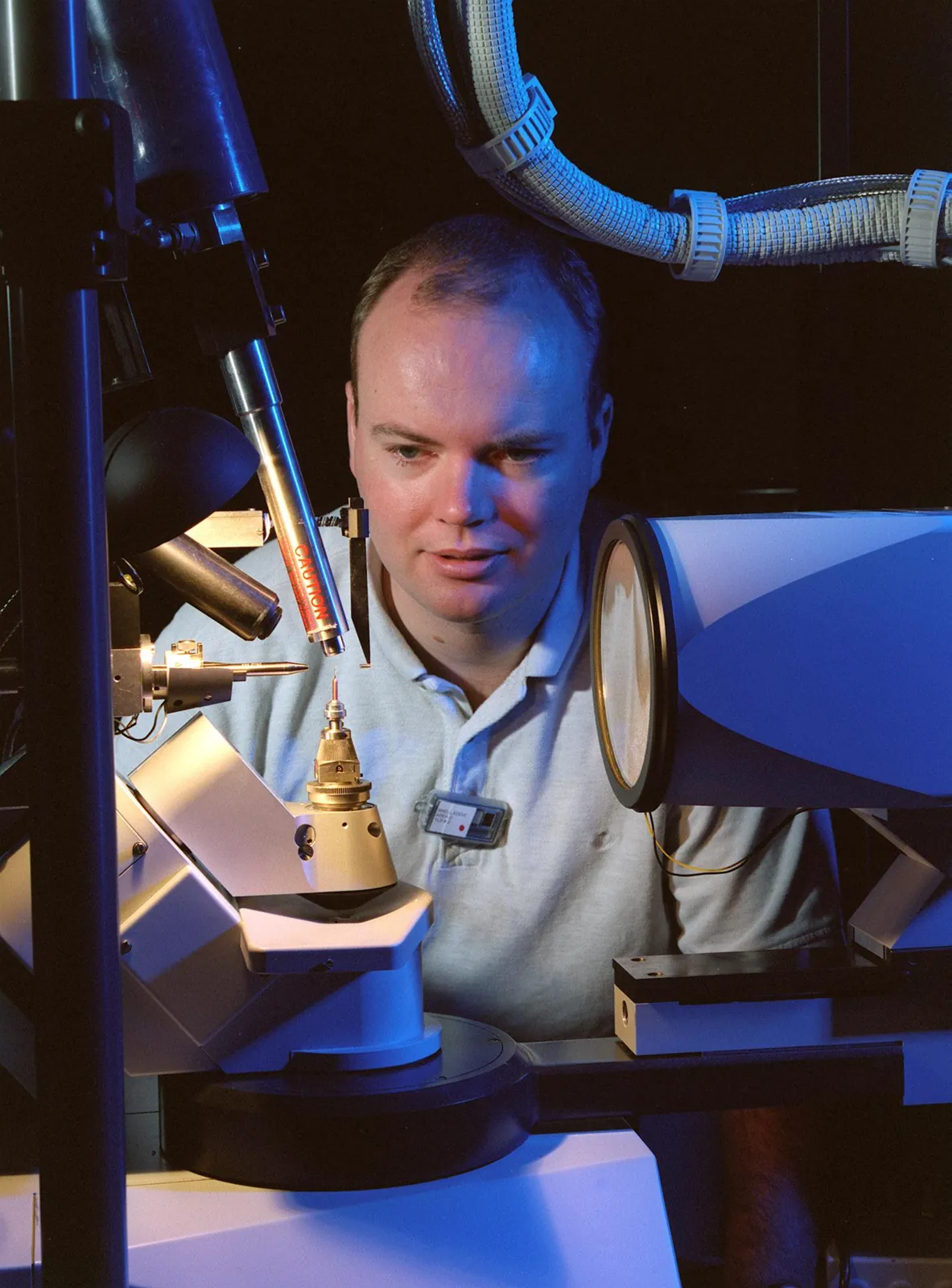
The authors note that structures reach the PDB some time after a sample passes through the lab, and they wrote the paper in 2011.
Why might the 2010 percent in Table 1 run lower than the percent those 2010 samples would reach in later years?
See the table
| Year | All samples | Structural genomics samples | Structures deposited in the PDB | Percent of structural genomics samples that became structures |
|---|---|---|---|---|
| 2000 | 227 | 13 | 0 | |
| 2001 | 426 | 28 | 1 | |
| 2002 | 749 | 105 | 12 | |
| 2003 | 1,268 | 225 | 20 | |
| 2004 | 1,833 | 703 | 59 | |
| 2005 | 1,784 | 776 | 86 | |
| 2006 | 1,886 | 418 | 68 | |
| 2007 | 1,505 | 637 | 82 | |
| 2008 | 1,185 | 568 | 86 | |
| 2009 | 748 | 403 | 96 | |
| 2010 | 910 | 504 | 75 | |
| Total | 11,581 | 3,876 | 485 |
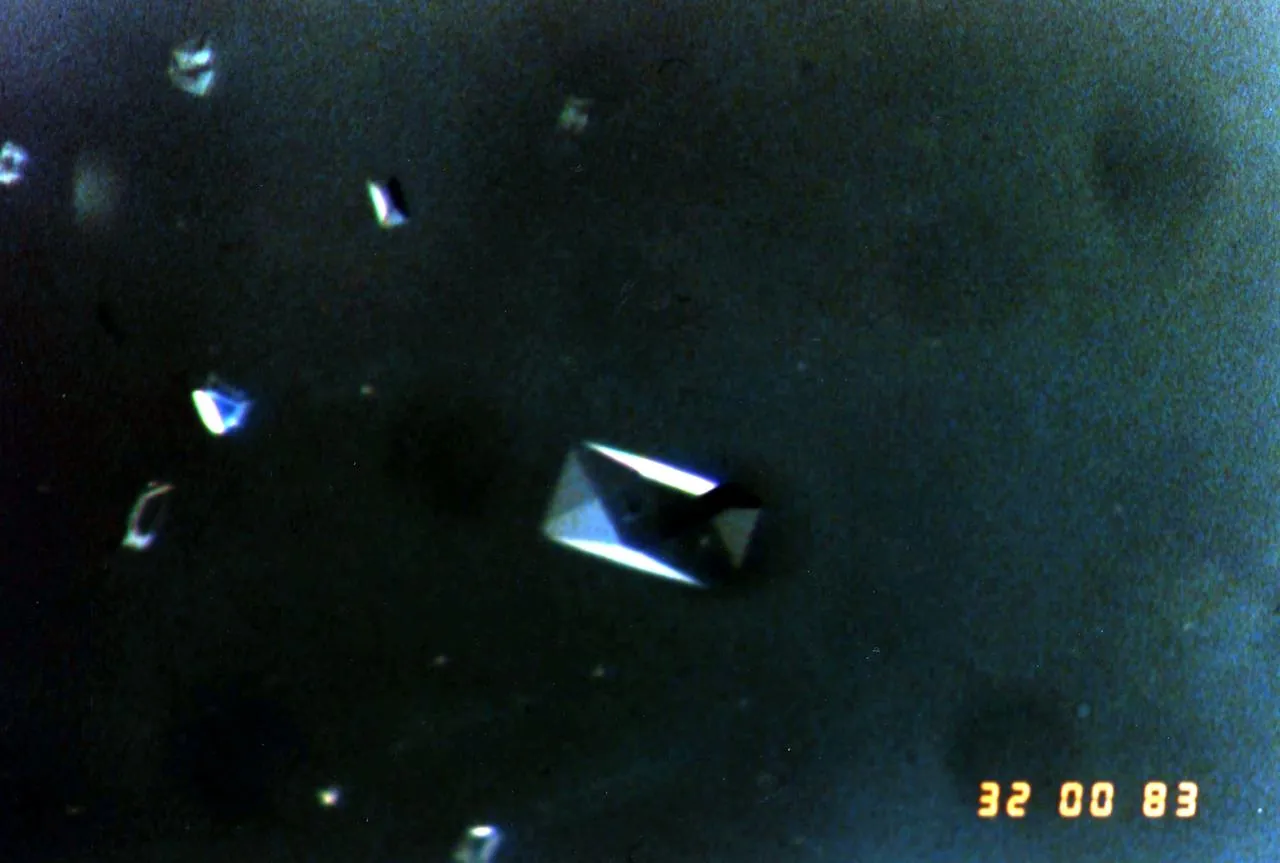
The paper reports that 269 of 823 structural genomics targets, or 32.7%, grew crystals somewhere in the screen. For those 269 targets, an average of 3.58% of the 1,536 conditions showed a crystal hit, about 55 conditions per sample.
If a protein hits in only about 55 of 1,536 crystallization conditions, why does HWI’s screening lab test all 1,536?
See the table
| Year | All samples | Structural genomics samples | Structures deposited in the PDB | Percent of structural genomics samples that became structures |
|---|---|---|---|---|
| 2000 | 227 | 13 | 0 | |
| 2001 | 426 | 28 | 1 | |
| 2002 | 749 | 105 | 12 | |
| 2003 | 1,268 | 225 | 20 | |
| 2004 | 1,833 | 703 | 59 | |
| 2005 | 1,784 | 776 | 86 | |
| 2006 | 1,886 | 418 | 68 | |
| 2007 | 1,505 | 637 | 82 | |
| 2008 | 1,185 | 568 | 86 | |
| 2009 | 748 | 403 | 96 | |
| 2010 | 910 | 504 | 75 | |
| Total | 11,581 | 3,876 | 485 |
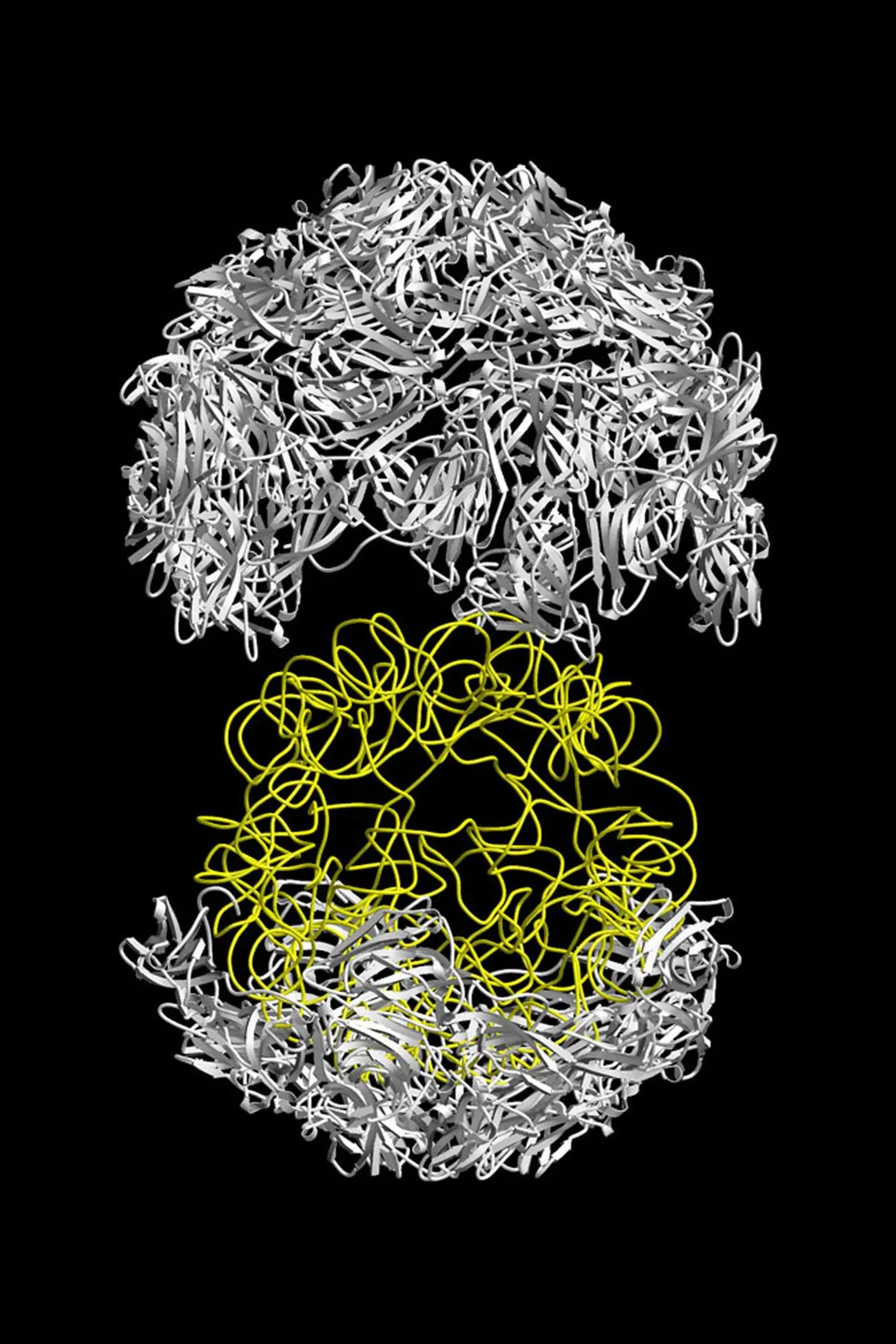
In Table 1, about one structural genomics sample in eight became a structure. In the episode, Dr. Bowman explains how structures of hemoglobin and of the main protease of SARS-CoV-2 help scientists.
Given how often the path from sample to structure fails, why do scientists keep using X-ray crystallography to learn how proteins work?
See the table
| Year | All samples | Structural genomics samples | Structures deposited in the PDB | Percent of structural genomics samples that became structures |
|---|---|---|---|---|
| 2000 | 227 | 13 | 0 | |
| 2001 | 426 | 28 | 1 | |
| 2002 | 749 | 105 | 12 | |
| 2003 | 1,268 | 225 | 20 | |
| 2004 | 1,833 | 703 | 59 | |
| 2005 | 1,784 | 776 | 86 | |
| 2006 | 1,886 | 418 | 68 | |
| 2007 | 1,505 | 637 | 82 | |
| 2008 | 1,185 | 568 | 86 | |
| 2009 | 748 | 403 | 96 | |
| 2010 | 910 | 504 | 75 | |
| Total | 11,581 | 3,876 | 485 |
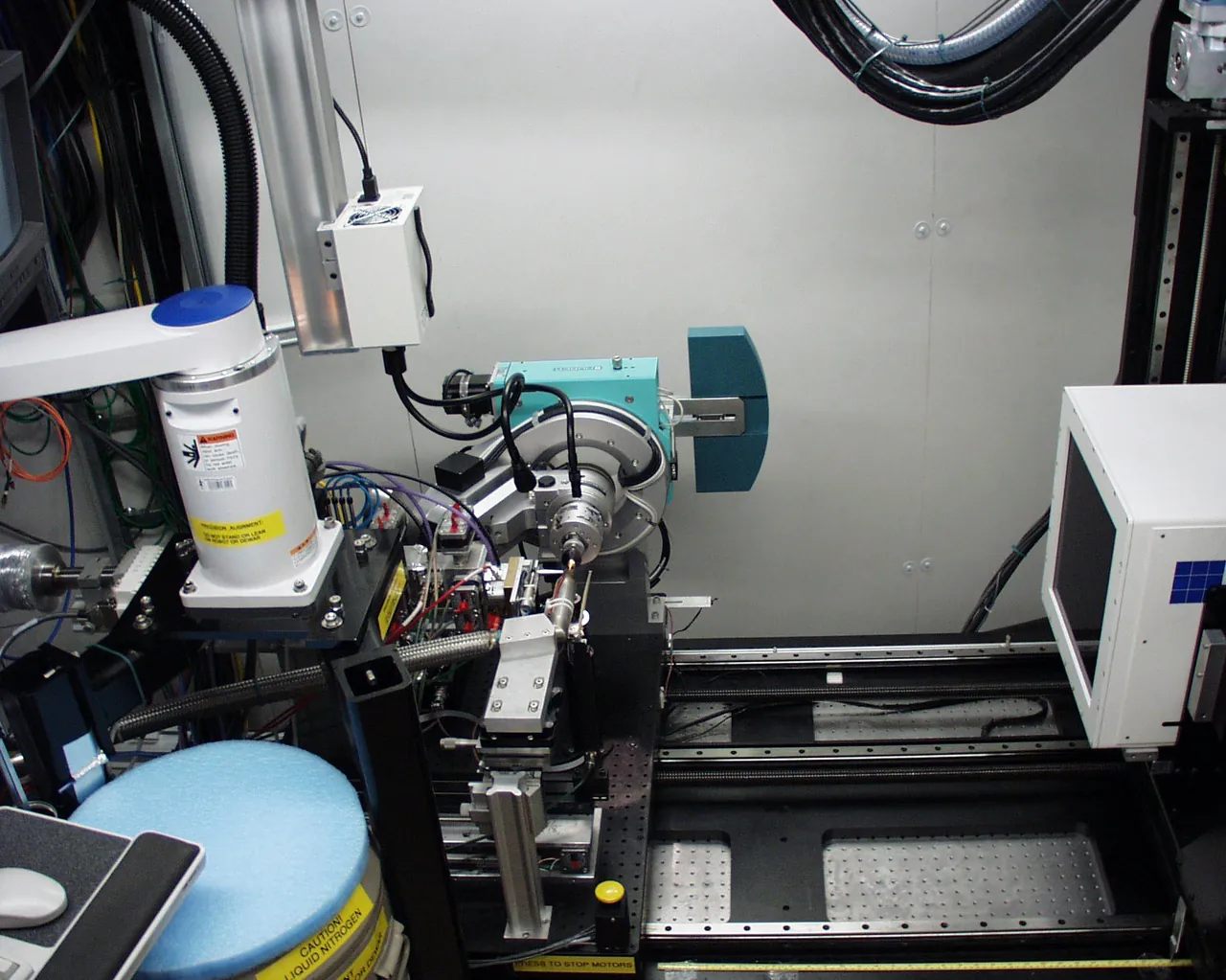
Table 1 tracks HWI’s structural genomics samples and structures from 2000 to 2010.
Which summary fits Table 1 of the Luft, Snell and DeTitta paper?