The Lizard Behind Ozempic, College
Your word of the day is
IN-suh-lin
A hormone made in the pancreas that helps the body’s cells take in sugar from the blood.
Natural GLP-1 had a half-life of 28 minutes in pig plasma in a test tube. Deacon’s team swapped GLP-1’s second amino acid, alanine, for glycine, the amino acid exendin-4 carries in that spot.
Before you read the paper, take a guess. How many minutes did the glycine version of GLP-1 last in pig plasma? Give your reason in one sentence.
Hint
DPP-4 removes the first two amino acids of a chain quickly when the second amino acid is alanine or proline.

Read the paper
Deacon and others, “Dipeptidyl peptidase IV resistant analogues of glucagon-like peptide-1 which have extended metabolic stability and improved biological activity,” Diabetologia, 1998. The paper is free to read.
DPP-4, also called dipeptidyl peptidase IV, removes the first two amino acids of GLP-1 and inactivates the hormone. GLP-1’s chain is numbered from 7, which makes position 8 the second amino acid. The team made four versions of GLP-1, each with a different amino acid at position 8. They measured each version’s half-life in pig plasma in a test tube at 37°C, reported in the Results section, and how tightly each version bound the human GLP-1 receptor, reported in Table 3. IC50 is the concentration of a version that displaces half of the labeled GLP-1 from the receptor, and a lower IC50 means tighter binding.
| Version of GLP-1 | Amino acid at position 8 | Half-life in pig plasma (min) | Times longer than GLP-1 | Receptor binding, IC50 (nmol/l) |
|---|---|---|---|---|
| Natural GLP-1 | Alanine | 28.1 | 1 | 0.78 |
| Gly8 | Glycine | 159 | 2.8 | |
| Ser8 | Serine | 174 | 9.0 | |
| Thr8 | Threonine | 197 | 49 | |
| Aib8 | Aib, a lab-made amino acid | No breakdown detected after 6 hours | 0.45 |
In Deacon’s study, natural GLP-1 lasted 28.1 minutes in pig plasma, and Gly8 lasted 159 minutes.
In Deacon’s 1998 study, Gly8 lasted ____ times longer than natural GLP-1 in pig plasma.
See the table
| Version of GLP-1 | Amino acid at position 8 | Half-life in pig plasma (min) | Times longer than GLP-1 | Receptor binding, IC50 (nmol/l) |
|---|---|---|---|---|
| Natural GLP-1 | Alanine | 28.1 | 1 | 0.78 |
| Gly8 | Glycine | 159 | 2.8 | |
| Ser8 | Serine | 174 | 9.0 | |
| Thr8 | Threonine | 197 | 49 | |
| Aib8 | Aib, a lab-made amino acid | No breakdown detected after 6 hours | 0.45 |
Thr8 lasted 197 minutes in pig plasma.
In Deacon’s 1998 study, Thr8 lasted ____ times longer than natural GLP-1 in pig plasma.
See the table
| Version of GLP-1 | Amino acid at position 8 | Half-life in pig plasma (min) | Times longer than GLP-1 | Receptor binding, IC50 (nmol/l) |
|---|---|---|---|---|
| Natural GLP-1 | Alanine | 28.1 | 1 | 0.78 |
| Gly8 | Glycine | 159 | 2.8 | |
| Ser8 | Serine | 174 | 9.0 | |
| Thr8 | Threonine | 197 | 49 | |
| Aib8 | Aib, a lab-made amino acid | No breakdown detected after 6 hours | 0.45 |
Deacon’s team detected no breakdown of Aib8 after 6 hours.
Using 6 hours as the shortest possible half-life, Aib8 lasted at least ____ times longer than natural GLP-1.
See the table
| Version of GLP-1 | Amino acid at position 8 | Half-life in pig plasma (min) | Times longer than GLP-1 | Receptor binding, IC50 (nmol/l) |
|---|---|---|---|---|
| Natural GLP-1 | Alanine | 28.1 | 1 | 0.78 |
| Gly8 | Glycine | 159 | 2.8 | |
| Ser8 | Serine | 174 | 9.0 | |
| Thr8 | Threonine | 197 | 49 | |
| Aib8 | Aib, a lab-made amino acid | No breakdown detected after 6 hours | 0.45 |
Why can Deacon’s Aib8 result give only a minimum for the Aib8 half-life?
See the table
| Version of GLP-1 | Amino acid at position 8 | Half-life in pig plasma (min) | Times longer than GLP-1 | Receptor binding, IC50 (nmol/l) |
|---|---|---|---|---|
| Natural GLP-1 | Alanine | 28.1 | 1 | 0.78 |
| Gly8 | Glycine | 159 | 2.8 | |
| Ser8 | Serine | 174 | 9.0 | |
| Thr8 | Threonine | 197 | 49 | |
| Aib8 | Aib, a lab-made amino acid | No breakdown detected after 6 hours | 0.45 |
A medicine based on GLP-1 needs to resist DPP-4 and still bind the GLP-1 receptor.
Which version of GLP-1 in Deacon’s table best resists DPP-4 and still binds the GLP-1 receptor?
See the table
| Version of GLP-1 | Amino acid at position 8 | Half-life in pig plasma (min) | Times longer than GLP-1 | Receptor binding, IC50 (nmol/l) |
|---|---|---|---|---|
| Natural GLP-1 | Alanine | 28.1 | 1 | 0.78 |
| Gly8 | Glycine | 159 | 2.8 | |
| Ser8 | Serine | 174 | 9.0 | |
| Thr8 | Threonine | 197 | 49 | |
| Aib8 | Aib, a lab-made amino acid | No breakdown detected after 6 hours | 0.45 |
Thr8 had an IC50 of 49 nmol/l, and natural GLP-1 had an IC50 of 0.78 nmol/l.
In Deacon’s Table 3, Thr8 bound the GLP-1 receptor about ____ times more weakly than natural GLP-1.
See the table
| Version of GLP-1 | Amino acid at position 8 | Half-life in pig plasma (min) | Times longer than GLP-1 | Receptor binding, IC50 (nmol/l) |
|---|---|---|---|---|
| Natural GLP-1 | Alanine | 28.1 | 1 | 0.78 |
| Gly8 | Glycine | 159 | 2.8 | |
| Ser8 | Serine | 174 | 9.0 | |
| Thr8 | Threonine | 197 | 49 | |
| Aib8 | Aib, a lab-made amino acid | No breakdown detected after 6 hours | 0.45 |
In living pigs, the GLP-1 versions in Deacon’s study lasted 3.3 to 3.9 minutes. In a test tube of pig plasma, the half-lives ran from 28 to 197 minutes.
Why might GLP-1 versions last minutes in living pigs but hours in a test tube of pig plasma?
See the table
| Version of GLP-1 | Amino acid at position 8 | Half-life in pig plasma (min) | Times longer than GLP-1 | Receptor binding, IC50 (nmol/l) |
|---|---|---|---|---|
| Natural GLP-1 | Alanine | 28.1 | 1 | 0.78 |
| Gly8 | Glycine | 159 | 2.8 | |
| Ser8 | Serine | 174 | 9.0 | |
| Thr8 | Threonine | 197 | 49 | |
| Aib8 | Aib, a lab-made amino acid | No breakdown detected after 6 hours | 0.45 |
What does the gap between Deacon’s test tube and living pig half-lives say about test tube results?
See the table
| Version of GLP-1 | Amino acid at position 8 | Half-life in pig plasma (min) | Times longer than GLP-1 | Receptor binding, IC50 (nmol/l) |
|---|---|---|---|---|
| Natural GLP-1 | Alanine | 28.1 | 1 | 0.78 |
| Gly8 | Glycine | 159 | 2.8 | |
| Ser8 | Serine | 174 | 9.0 | |
| Thr8 | Threonine | 197 | 49 | |
| Aib8 | Aib, a lab-made amino acid | No breakdown detected after 6 hours | 0.45 |
Deacon’s team included scientists from the University of Copenhagen and from Novo Nordisk, the company that later brought semaglutide to market as Ozempic.
What does each partner add to a study like Deacon’s, run by the University of Copenhagen and Novo Nordisk?
See the table
| Version of GLP-1 | Amino acid at position 8 | Half-life in pig plasma (min) | Times longer than GLP-1 | Receptor binding, IC50 (nmol/l) |
|---|---|---|---|---|
| Natural GLP-1 | Alanine | 28.1 | 1 | 0.78 |
| Gly8 | Glycine | 159 | 2.8 | |
| Ser8 | Serine | 174 | 9.0 | |
| Thr8 | Threonine | 197 | 49 | |
| Aib8 | Aib, a lab-made amino acid | No breakdown detected after 6 hours | 0.45 |

Before trusting a study with company co-authors, which check helps most?
See the table
| Version of GLP-1 | Amino acid at position 8 | Half-life in pig plasma (min) | Times longer than GLP-1 | Receptor binding, IC50 (nmol/l) |
|---|---|---|---|---|
| Natural GLP-1 | Alanine | 28.1 | 1 | 0.78 |
| Gly8 | Glycine | 159 | 2.8 | |
| Ser8 | Serine | 174 | 9.0 | |
| Thr8 | Threonine | 197 | 49 | |
| Aib8 | Aib, a lab-made amino acid | No breakdown detected after 6 hours | 0.45 |
Deacon’s Results section and Table 3 report how long each version of GLP-1 lasted in pig plasma and how tightly each version bound the GLP-1 receptor.
Which summary fits Deacon’s half-life and receptor binding data?
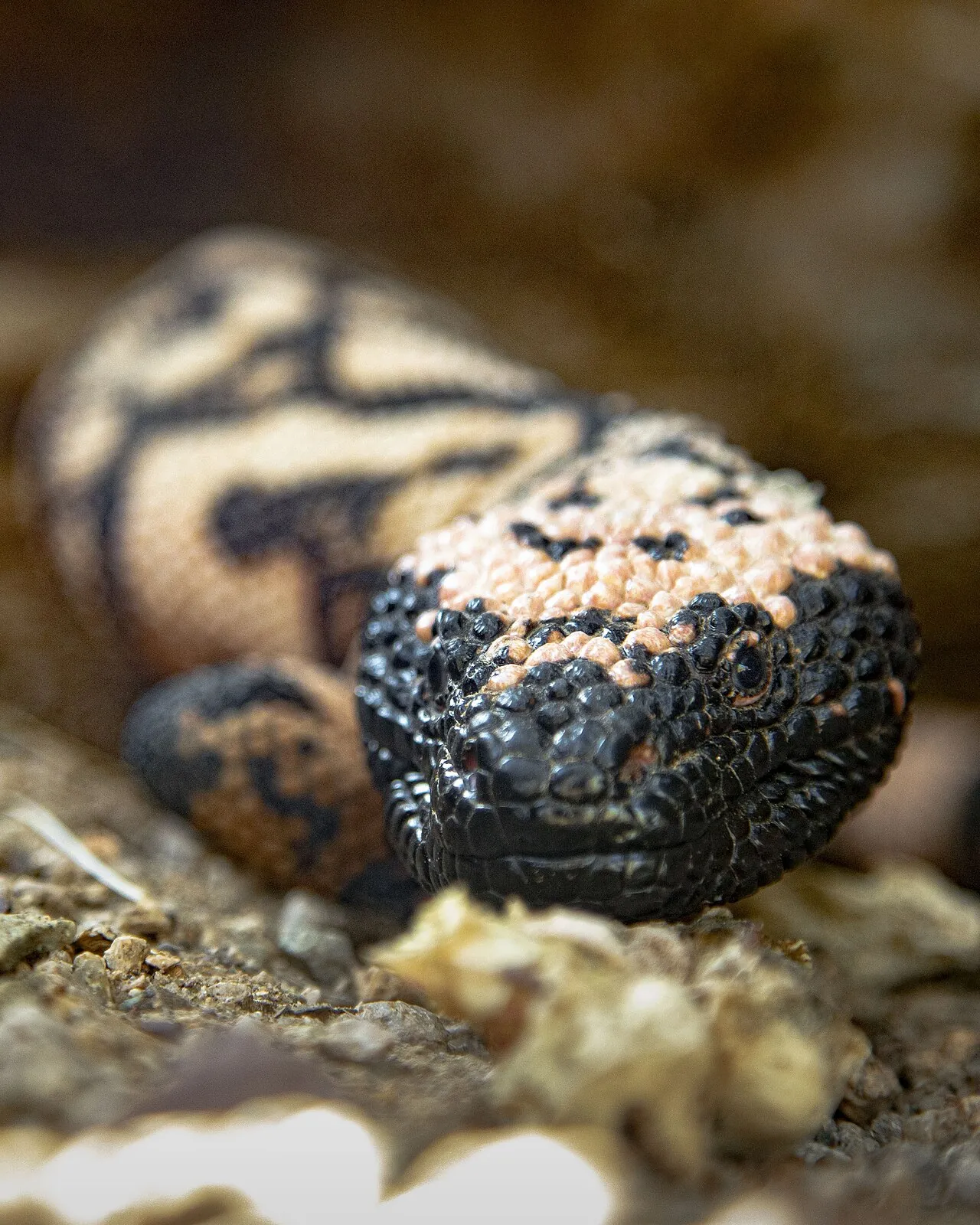
Which question can’t Deacon’s pig plasma and receptor binding data answer?
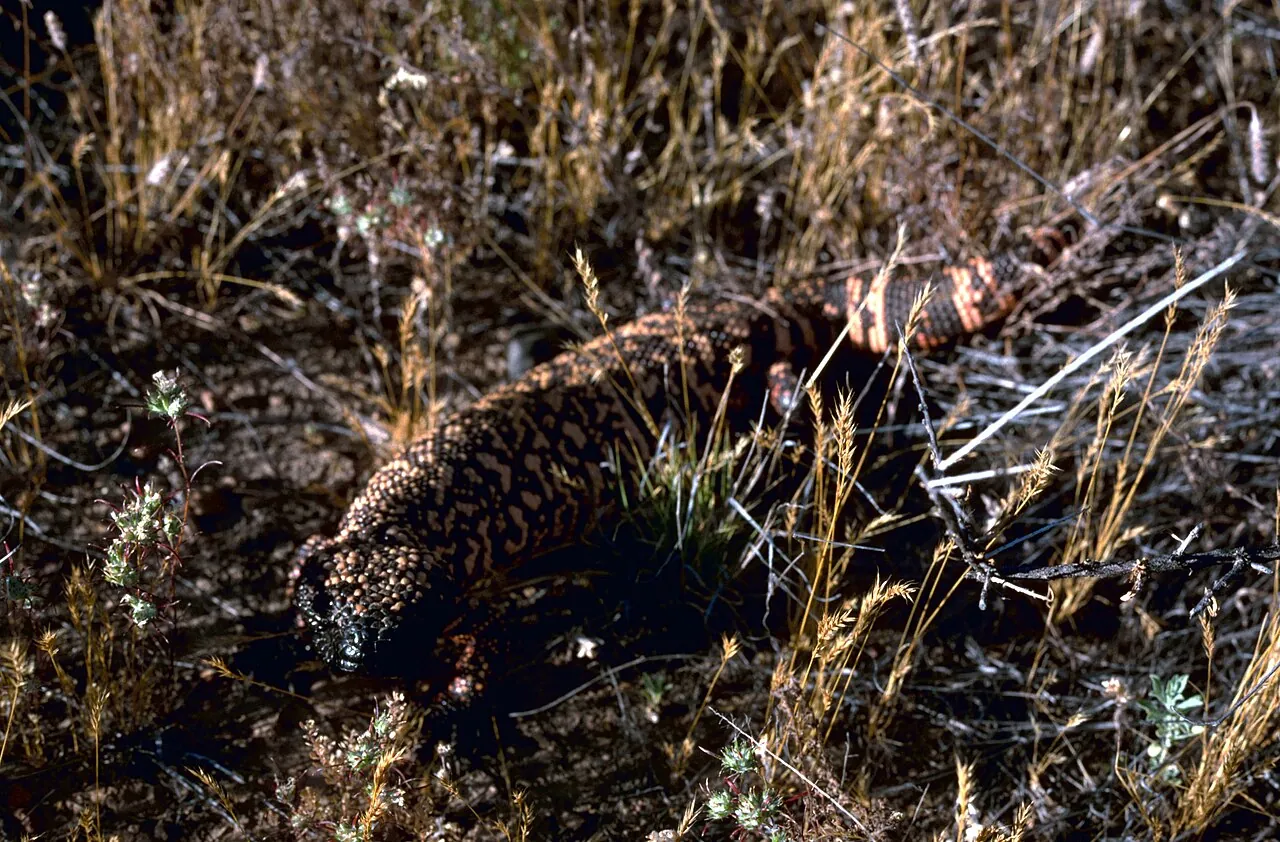
Lesson complete
Today’s word
insulin
IN-suh-lin
A polypeptide hormone made by the beta cells of the islets of Langerhans in the pancreas that regulates the metabolism of glucose and other nutrients.
Look at these again
You got every question right the first time.
Sources
- John Eng, an endocrinologist at the Bronx VA Medical Center, with W. A. Kleinman, L. Singh, G. Singh and Jean-Pierre Raufman, Journal of Biological Chemistry, 1992
- R. Göke, H. C. Fehmann, T. Linn, H. Schmidt, M. Krause, John Eng and B. Göke, Journal of Biological Chemistry, 1993
- Y. E. Chen and D. J. Drucker, Journal of Biological Chemistry, 1997
- C. M. Christel and D. F. DeNardo, Comparative Biochemistry and Physiology A, 2006
- R. Mentlein, B. Gallwitz and W. E. Schmidt, European Journal of Biochemistry, 1993
- C. F. Deacon, L. B. Knudsen, K. Madsen, F. C. Wiberg, O. Jacobsen and J. J. Holst, University of Copenhagen and Novo Nordisk, Diabetologia, 1998
- Reviews by Drucker, Habener and Holst, and by T. D. Müller and colleagues, Journal of Clinical Investigation, 2017 and Molecular Metabolism, 2019
- US Food and Drug Administration prescribing labels, Byetta label and Ozempic label
- Golden Goose Award, John Eng awardee page and 2013 announcement, for Eng’s work at the Bronx VA, the 1992 discovery and the path to Byetta
- Jake Currie, “How the Gila Monster Gave the World Ozempic,” Nautilus, 2026, for Eng’s title as an endocrinologist
- Smithsonian’s National Zoo, Gila monster
- UniProt P01275, the human proglucagon sequence, for GLP-1’s first five amino acids
- Vision and Change core concepts and competencies, as summarized in Brownell and others, CBE Life Sciences Education, 2014
- Word origins from Dictionary.com: insulin, -in, insula, insular, homeostasis, homeo-, stasis, peninsula, hemostasis, hemo-, thermostat, insulate, homeomorphism, Gila monster
- Spanish, French and Italian spellings from Wiktionary: insula, insulin