The Lizard Behind Ozempic, Middle school
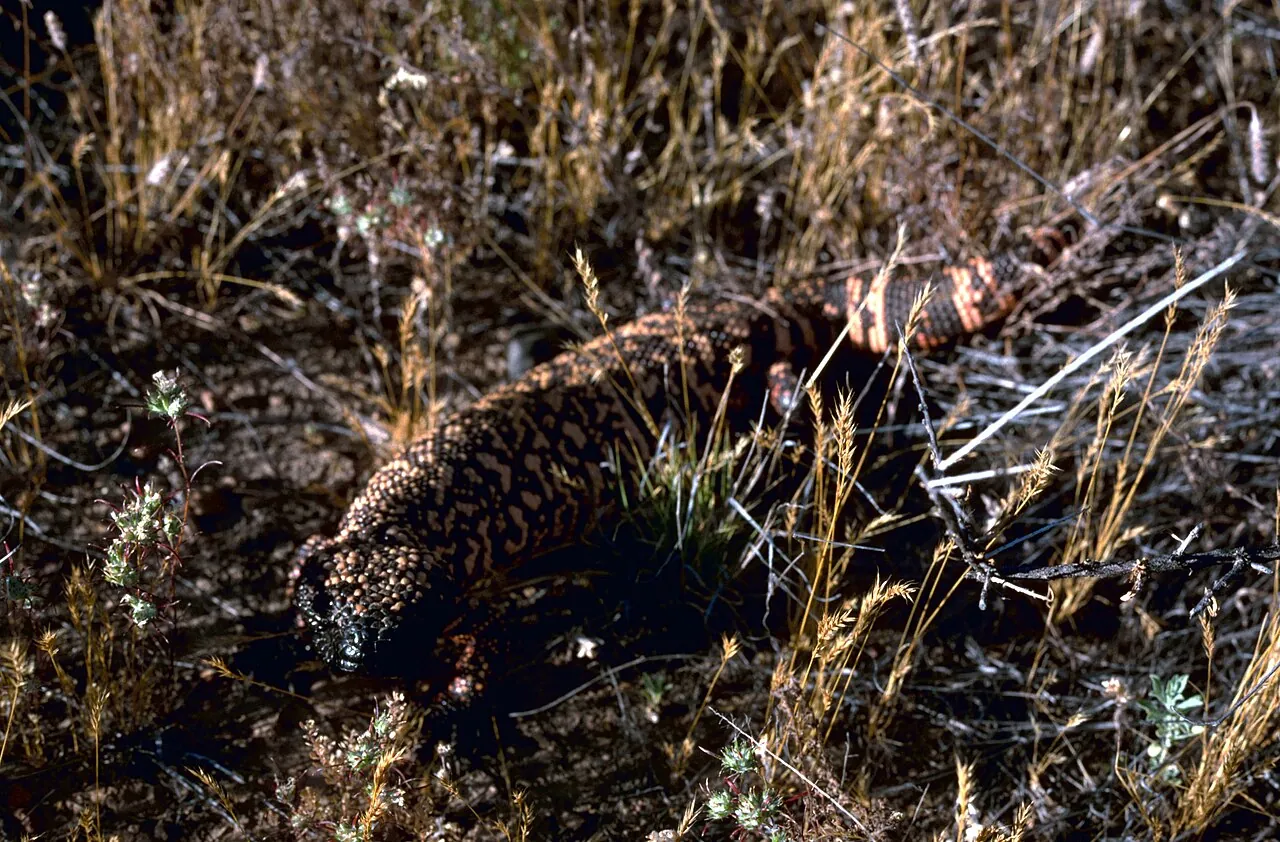
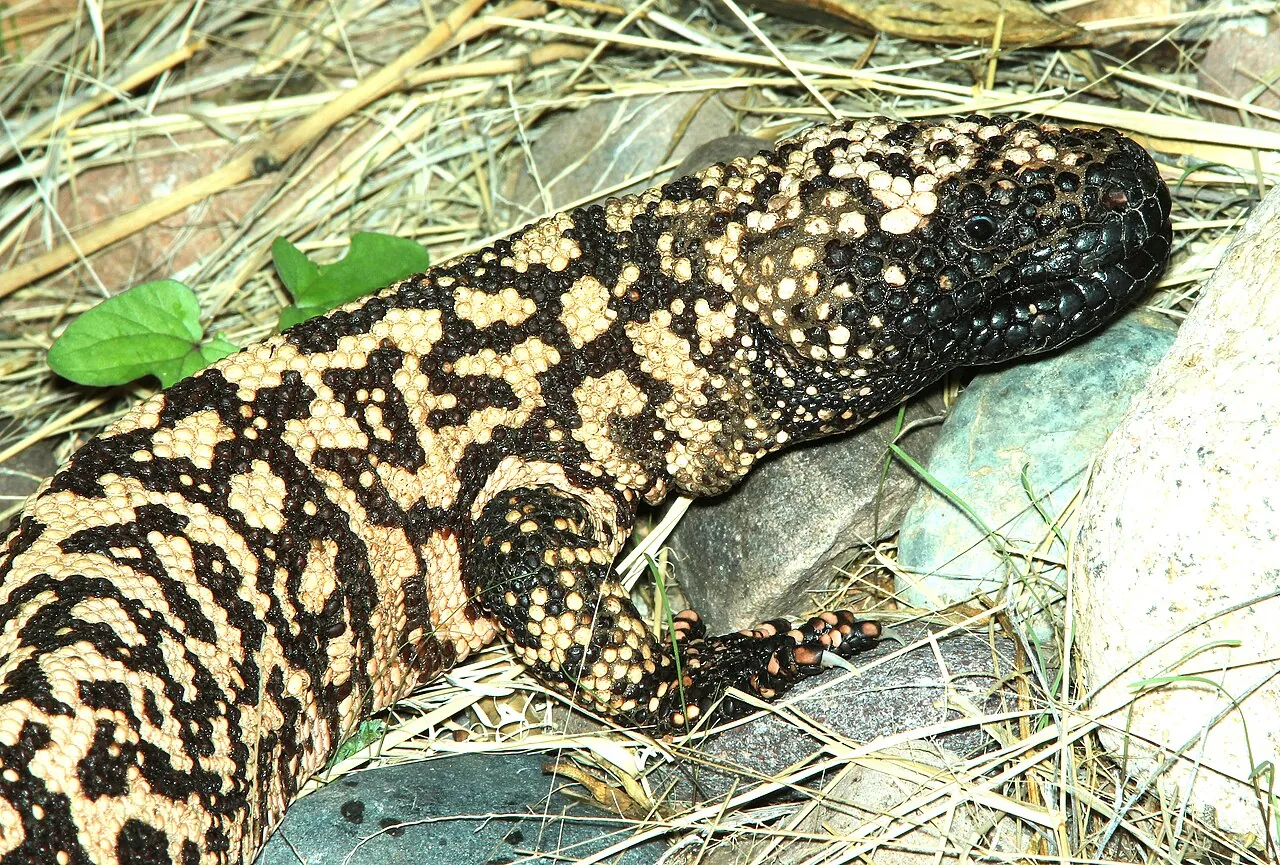
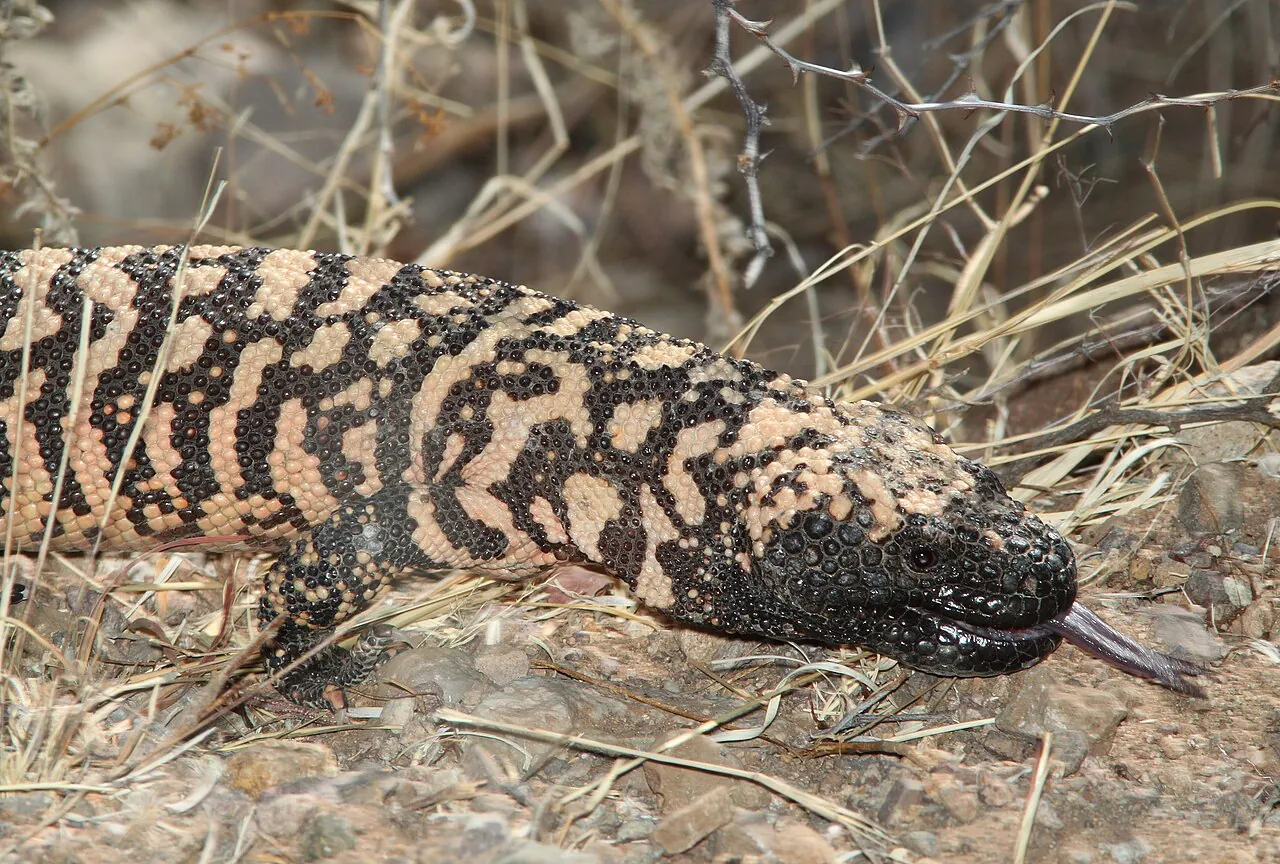
The Gila monster is a big orange and black lizard with a venomous bite. Its venom holds a molecule that works like a hormone your body makes after you eat.
Could a molecule from lizard venom lead to a medicine for people?
Your word of the day is
IN-suh-lin
A hormone made in the pancreas that helps the body’s cells take in sugar from the blood.
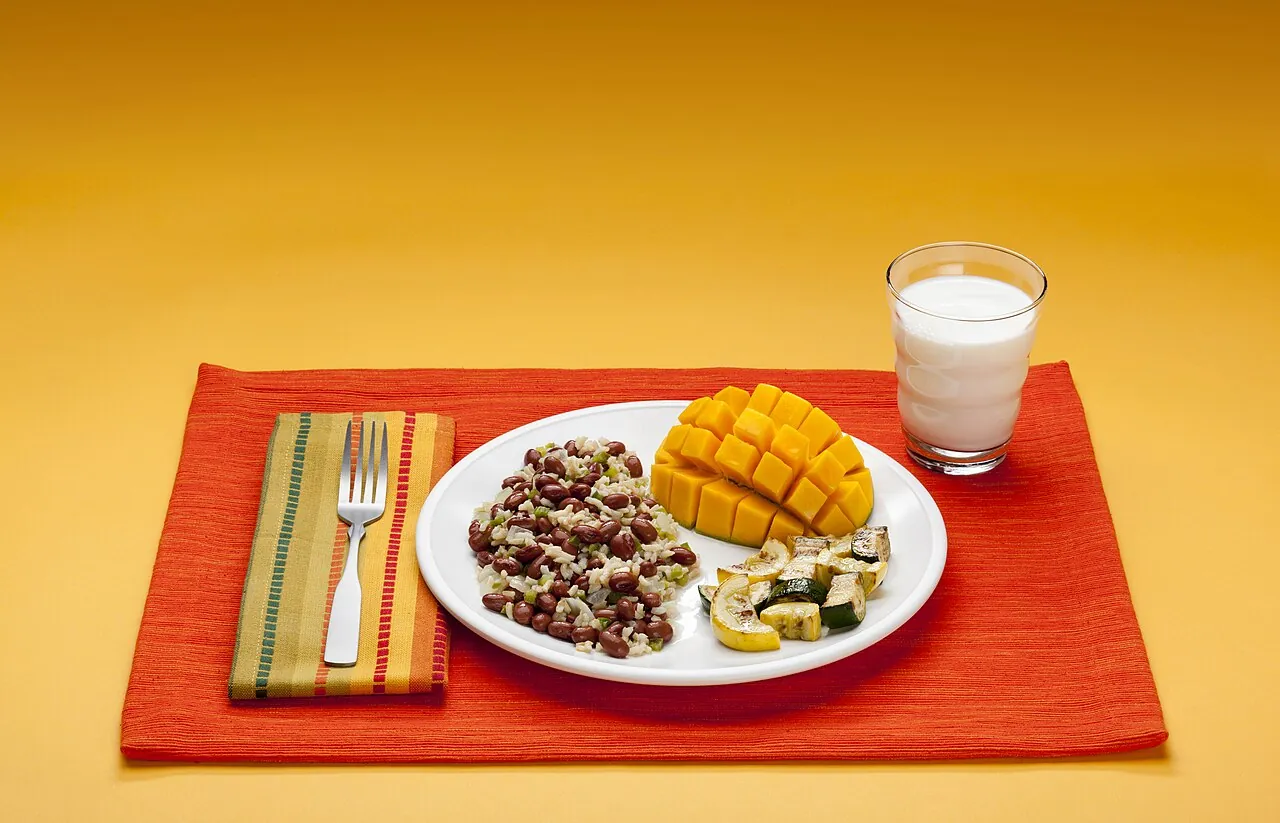
After you eat, your gut makes a hormone called GLP-1, and GLP-1 signals your pancreas to release more insulin.
Why does your body release more insulin after you eat?
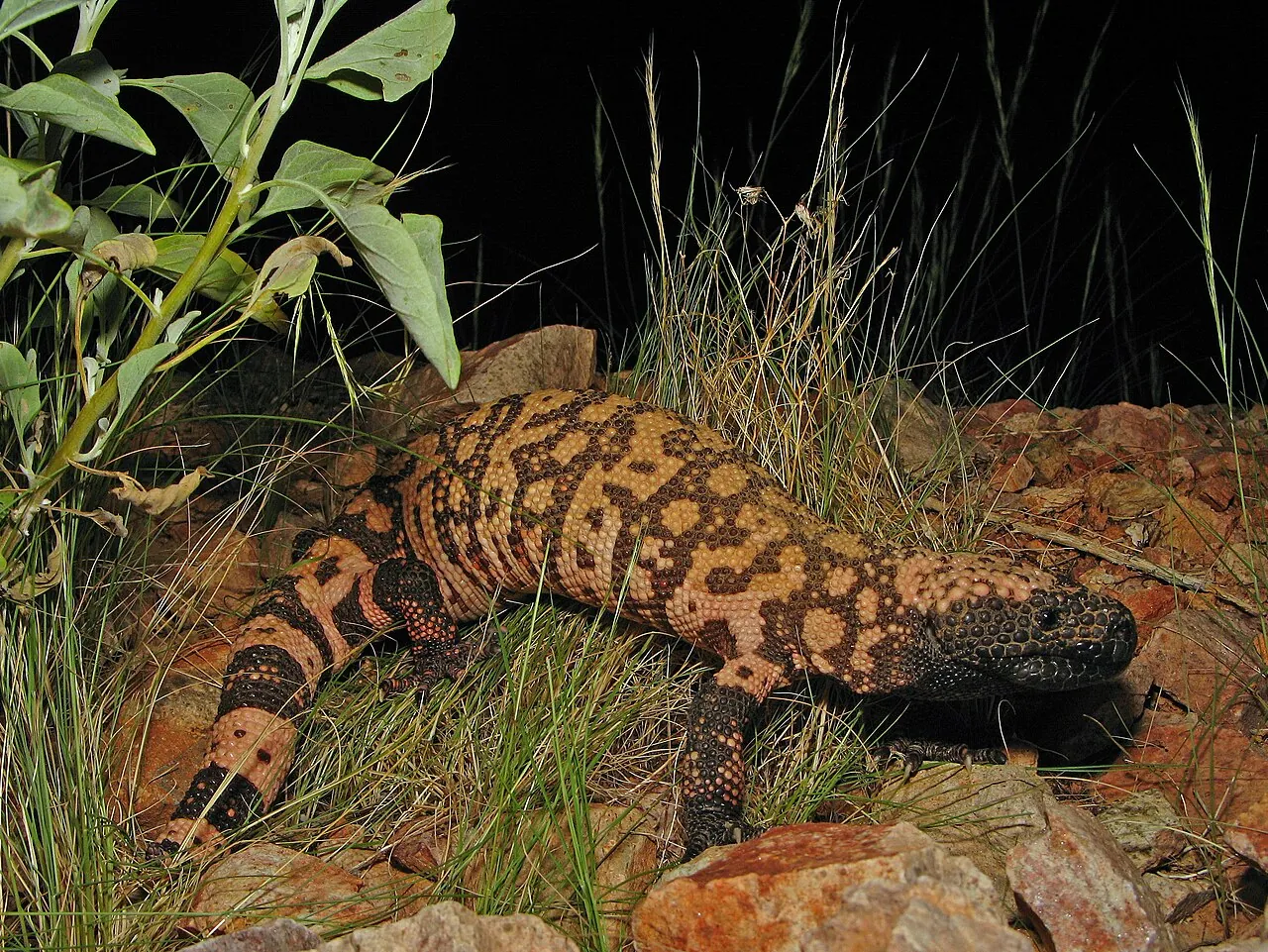
Exendin-4, a molecule from Gila monster venom, works like GLP-1 but lasts for hours instead of minutes.
Why was a molecule that lasts for hours such a big deal for treating high blood sugar?

Scientists made semaglutide, the medicine in Ozempic, by changing human GLP-1.
Ozempic didn’t come from a lizard. How did Gila monster research still help lead to Ozempic?
Exendin-4 lasts much longer than GLP-1. GLP-1 starts H, A, E, and exendin-4 starts H, G, E. The enzyme DPP-4 cuts quickly when the second building block is A.
What tiny difference between exendin-4 and GLP-1 makes exendin-4 last longer?
Lesson complete
Today’s word
insulin
IN-suh-lin
A hormone that helps move sugar from your blood into your cells. Tiny islands of cells in your pancreas, called islets, make insulin.
Look at these again
You got every question right the first time.
Sources
- John Eng, an endocrinologist at the Bronx VA Medical Center, with W. A. Kleinman, L. Singh, G. Singh and Jean-Pierre Raufman, Journal of Biological Chemistry, 1992
- R. Göke, H. C. Fehmann, T. Linn, H. Schmidt, M. Krause, John Eng and B. Göke, Journal of Biological Chemistry, 1993
- Y. E. Chen and D. J. Drucker, Journal of Biological Chemistry, 1997
- C. M. Christel and D. F. DeNardo, Comparative Biochemistry and Physiology A, 2006
- R. Mentlein, B. Gallwitz and W. E. Schmidt, European Journal of Biochemistry, 1993
- C. F. Deacon, L. B. Knudsen, K. Madsen, F. C. Wiberg, O. Jacobsen and J. J. Holst, University of Copenhagen and Novo Nordisk, Diabetologia, 1998
- Reviews by Drucker, Habener and Holst, and by T. D. Müller and colleagues, Journal of Clinical Investigation, 2017 and Molecular Metabolism, 2019
- US Food and Drug Administration prescribing labels, Byetta label and Ozempic label
- Golden Goose Award, John Eng awardee page and 2013 announcement, for Eng’s work at the Bronx VA, the 1992 discovery and the path to Byetta
- Jake Currie, “How the Gila Monster Gave the World Ozempic,” Nautilus, 2026, for Eng’s title as an endocrinologist
- Smithsonian’s National Zoo, Gila monster
- UniProt P01275, the human proglucagon sequence, for GLP-1’s first five amino acids
- Vision and Change core concepts and competencies, as summarized in Brownell and others, CBE Life Sciences Education, 2014
- Word origins from Dictionary.com: insulin, -in, insula, insular, homeostasis, homeo-, stasis, peninsula, hemostasis, hemo-, thermostat, insulate, homeomorphism, Gila monster
- Spanish, French and Italian spellings from Wiktionary: insula, insulin