The Evolution of Skin Color, College
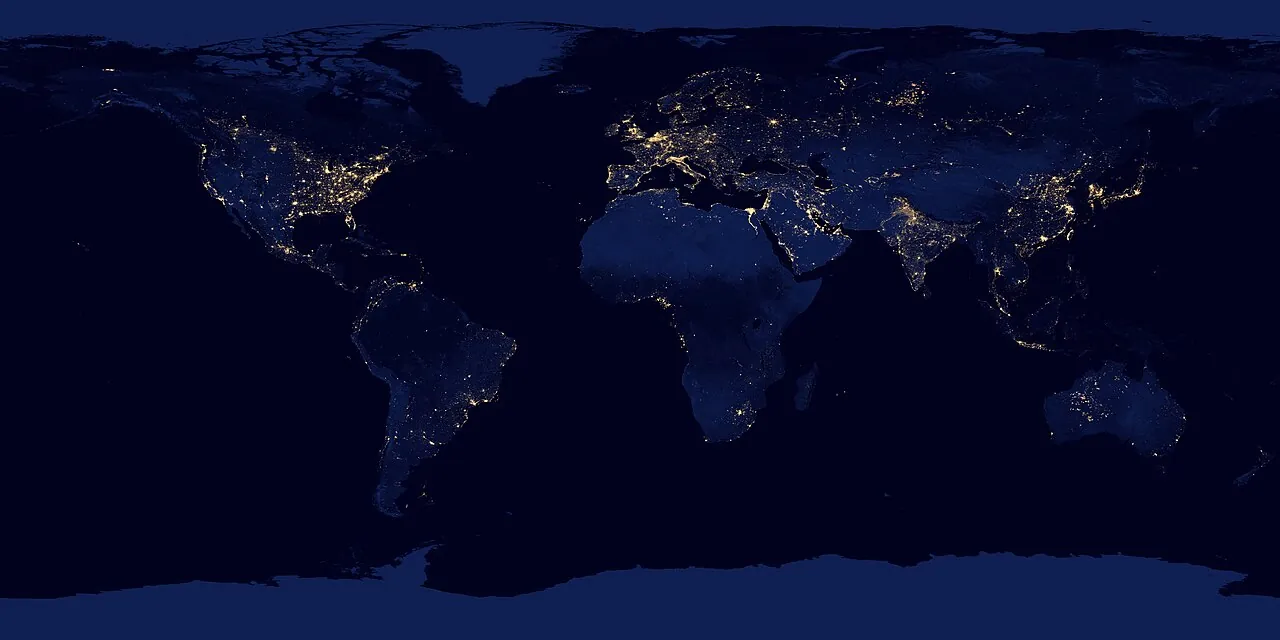
Jablonski and Chaplin mapped the world into zones by how well lightly pigmented skin can make vitamin D from casual sun exposure. In the equatorial zone, casual sun gives enough UVB all year.
Before you read the paper, take a guess. What percent of the world’s people live in the equatorial zone? Give your reason in one sentence.
Hint
The equatorial zone covers about 41% of the world’s land.
Read the paper
Jablonski and Chaplin, “Human skin pigmentation, migration and disease susceptibility,” Philosophical Transactions of the Royal Society B, 2012. The paper is free to read.
Jablonski and Chaplin sorted the world into vitamin D zones for lightly pigmented skin. In the equatorial zone, casual sun exposure gives enough UVB to make vitamin D all year. In the subtropical and warm temperate zone, at least one month has too little UVB, and people rely on stored vitamin D. In the cold temperate and polar zone, UVB averaged over the year falls short, and people need vitamin D-rich foods such as oily fish. Table 1 of the paper counts the people living in each zone, using population estimates from 2000.
| Zone | People (millions) | Percent of world population | Percent of land area |
|---|---|---|---|
| Southern Hemisphere cold temperate and polar | 0.36 | 3.6 | |
| Southern Hemisphere subtropical and warm temperate | 95 | 16.5 | |
| Equatorial | 3,198 | 40.7 | |
| Northern Hemisphere subtropical and warm temperate | 2,392 | 15.2 | |
| Northern Hemisphere cold temperate and polar | 386 | 24.0 |
Table 1 of Jablonski and Chaplin’s 2012 paper counts the people in five vitamin D zones.
The five zones in Jablonski and Chaplin’s Table 1 add up to a world total of ____.
See the table
| Zone | People (millions) | Percent of world population | Percent of land area |
|---|---|---|---|
| Southern Hemisphere cold temperate and polar | 0.36 | 3.6 | |
| Southern Hemisphere subtropical and warm temperate | 95 | 16.5 | |
| Equatorial | 3,198 | 40.7 | |
| Northern Hemisphere subtropical and warm temperate | 2,392 | 15.2 | |
| Northern Hemisphere cold temperate and polar | 386 | 24.0 |
Every zone outside the equatorial zone has at least one month with too little UVB for lightly pigmented skin.
In Jablonski and Chaplin’s Table 1, ____ of the world’s people live in zones with at least one month without enough UVB for lightly pigmented skin.
See the table
| Zone | People (millions) | Percent of world population | Percent of land area |
|---|---|---|---|
| Southern Hemisphere cold temperate and polar | 0.36 | 3.6 | |
| Southern Hemisphere subtropical and warm temperate | 95 | 16.5 | |
| Equatorial | 3,198 | 40.7 | |
| Northern Hemisphere subtropical and warm temperate | 2,392 | 15.2 | |
| Northern Hemisphere cold temperate and polar | 386 | 24.0 |
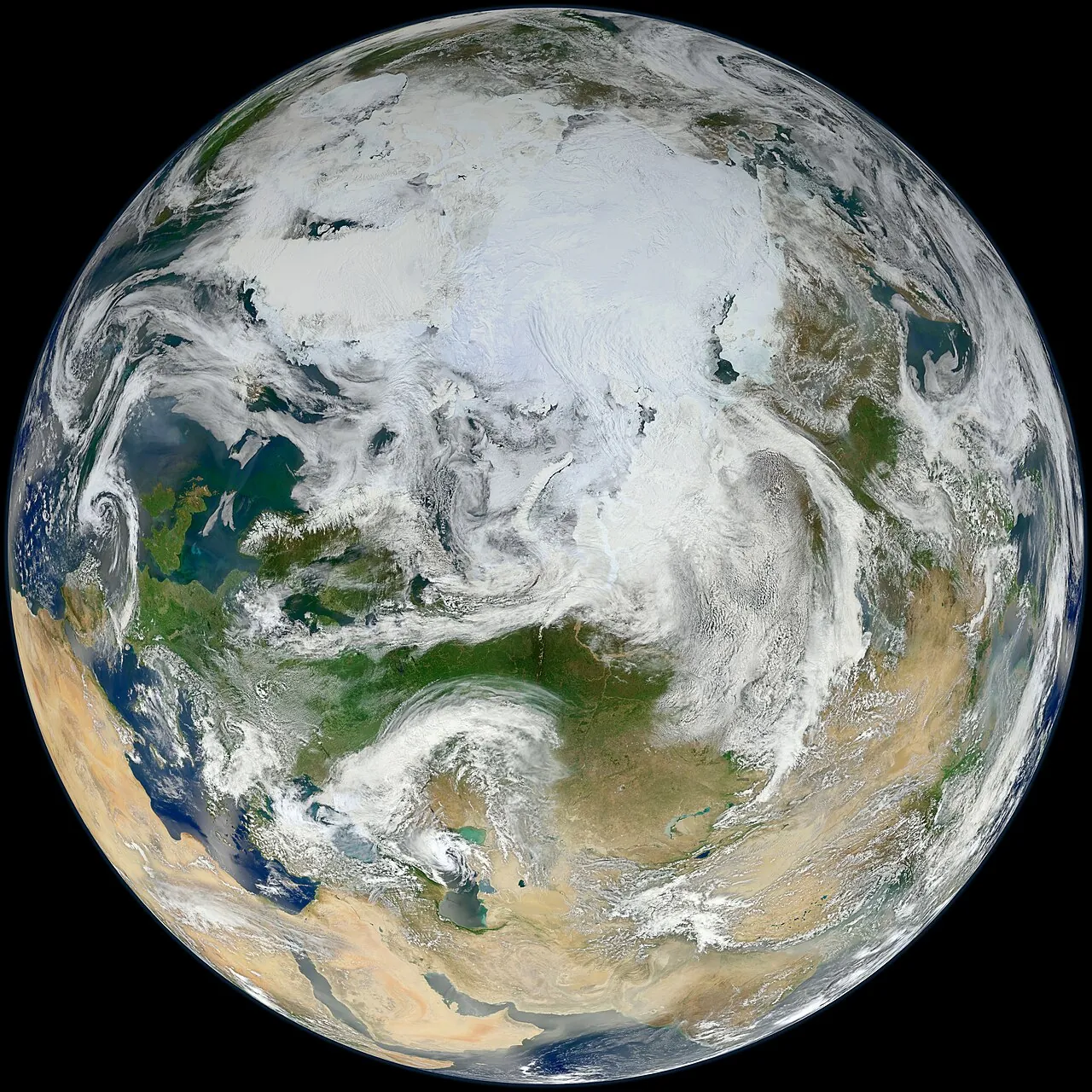
In Jablonski and Chaplin’s Table 1, which hemisphere holds most of the people living in zones with at least one month without enough UVB?
See the table
| Zone | People (millions) | Percent of world population | Percent of land area |
|---|---|---|---|
| Southern Hemisphere cold temperate and polar | 0.36 | 3.6 | |
| Southern Hemisphere subtropical and warm temperate | 95 | 16.5 | |
| Equatorial | 3,198 | 40.7 | |
| Northern Hemisphere subtropical and warm temperate | 2,392 | 15.2 | |
| Northern Hemisphere cold temperate and polar | 386 | 24.0 |
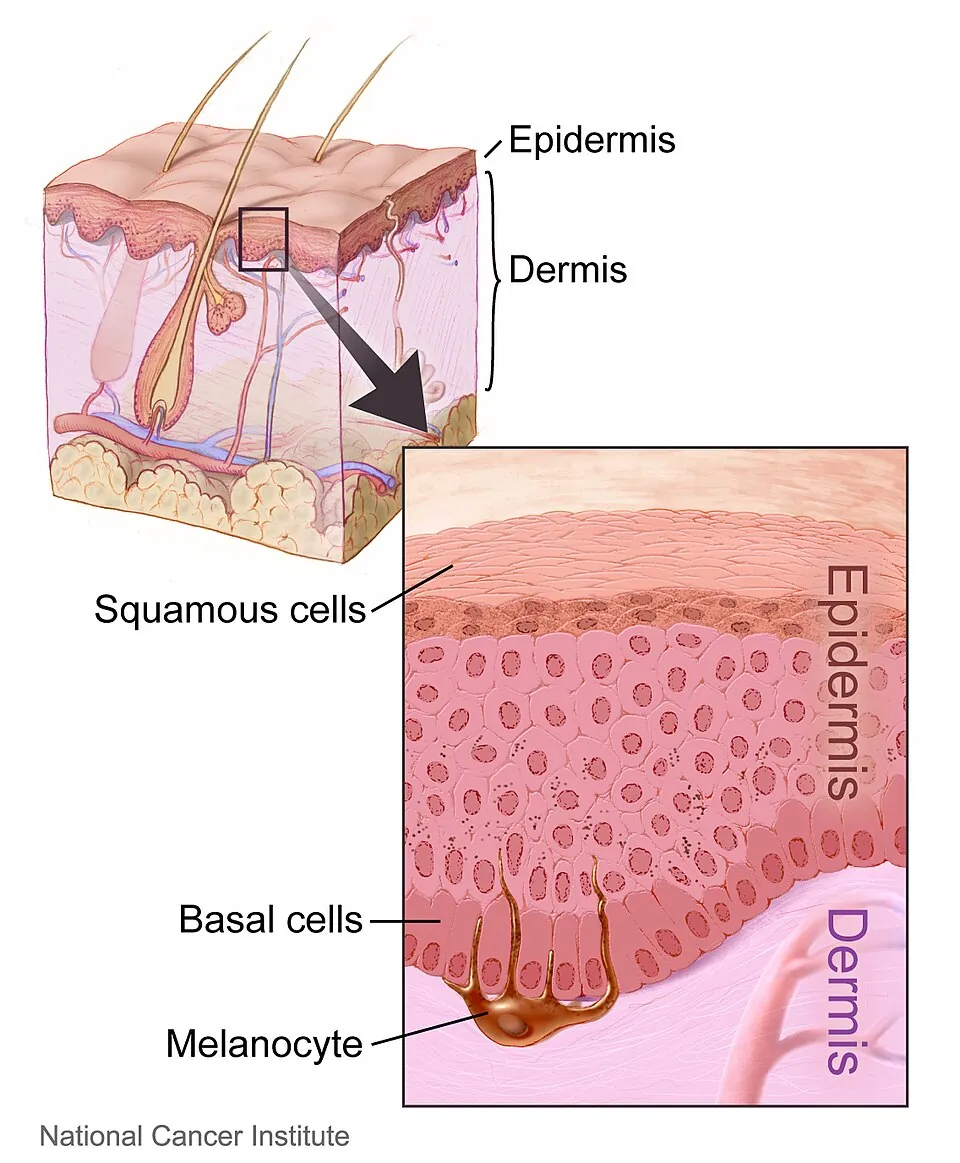
Table 1 uses zones drawn for lightly pigmented skin. The authors write that for darkly pigmented skin, the vitamin D safe zones are smaller and shifted toward the equator.
How would the numbers in Jablonski and Chaplin’s Table 1 change for darkly pigmented skin?
See the table
| Zone | People (millions) | Percent of world population | Percent of land area |
|---|---|---|---|
| Southern Hemisphere cold temperate and polar | 0.36 | 3.6 | |
| Southern Hemisphere subtropical and warm temperate | 95 | 16.5 | |
| Equatorial | 3,198 | 40.7 | |
| Northern Hemisphere subtropical and warm temperate | 2,392 | 15.2 | |
| Northern Hemisphere cold temperate and polar | 386 | 24.0 |
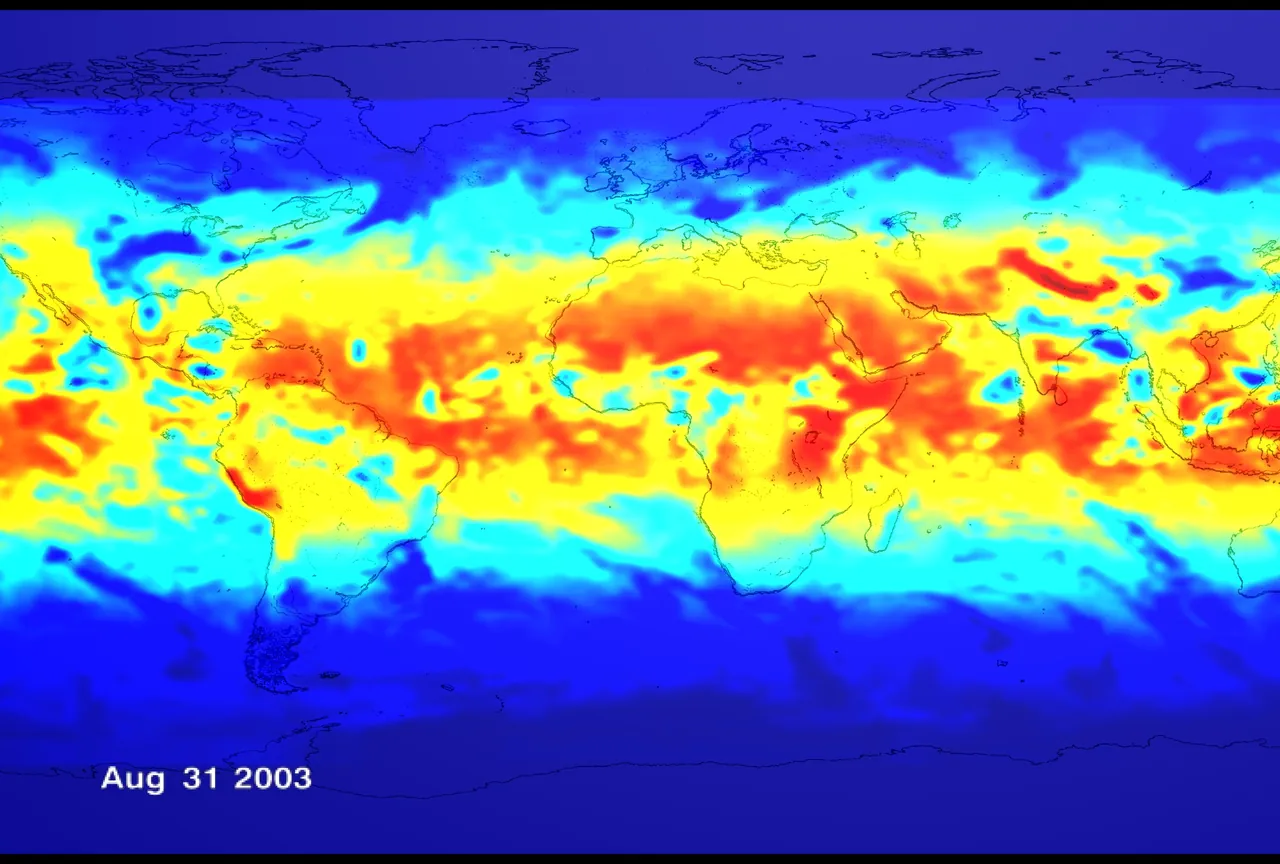
Which data would you need to make a version of Jablonski and Chaplin’s Table 1 for darkly pigmented skin?
See the table
| Zone | People (millions) | Percent of world population | Percent of land area |
|---|---|---|---|
| Southern Hemisphere cold temperate and polar | 0.36 | 3.6 | |
| Southern Hemisphere subtropical and warm temperate | 95 | 16.5 | |
| Equatorial | 3,198 | 40.7 | |
| Northern Hemisphere subtropical and warm temperate | 2,392 | 15.2 | |
| Northern Hemisphere cold temperate and polar | 386 | 24.0 |

Many people now living in the Northern Hemisphere’s low-UVB zones have moderately or darkly pigmented skin.
Which vitamin D advice for a public health department in a Northern Hemisphere low-UVB zone fits Jablonski and Chaplin’s paper?
See the table
| Zone | People (millions) | Percent of world population | Percent of land area |
|---|---|---|---|
| Southern Hemisphere cold temperate and polar | 0.36 | 3.6 | |
| Southern Hemisphere subtropical and warm temperate | 95 | 16.5 | |
| Equatorial | 3,198 | 40.7 | |
| Northern Hemisphere subtropical and warm temperate | 2,392 | 15.2 | |
| Northern Hemisphere cold temperate and polar | 386 | 24.0 |
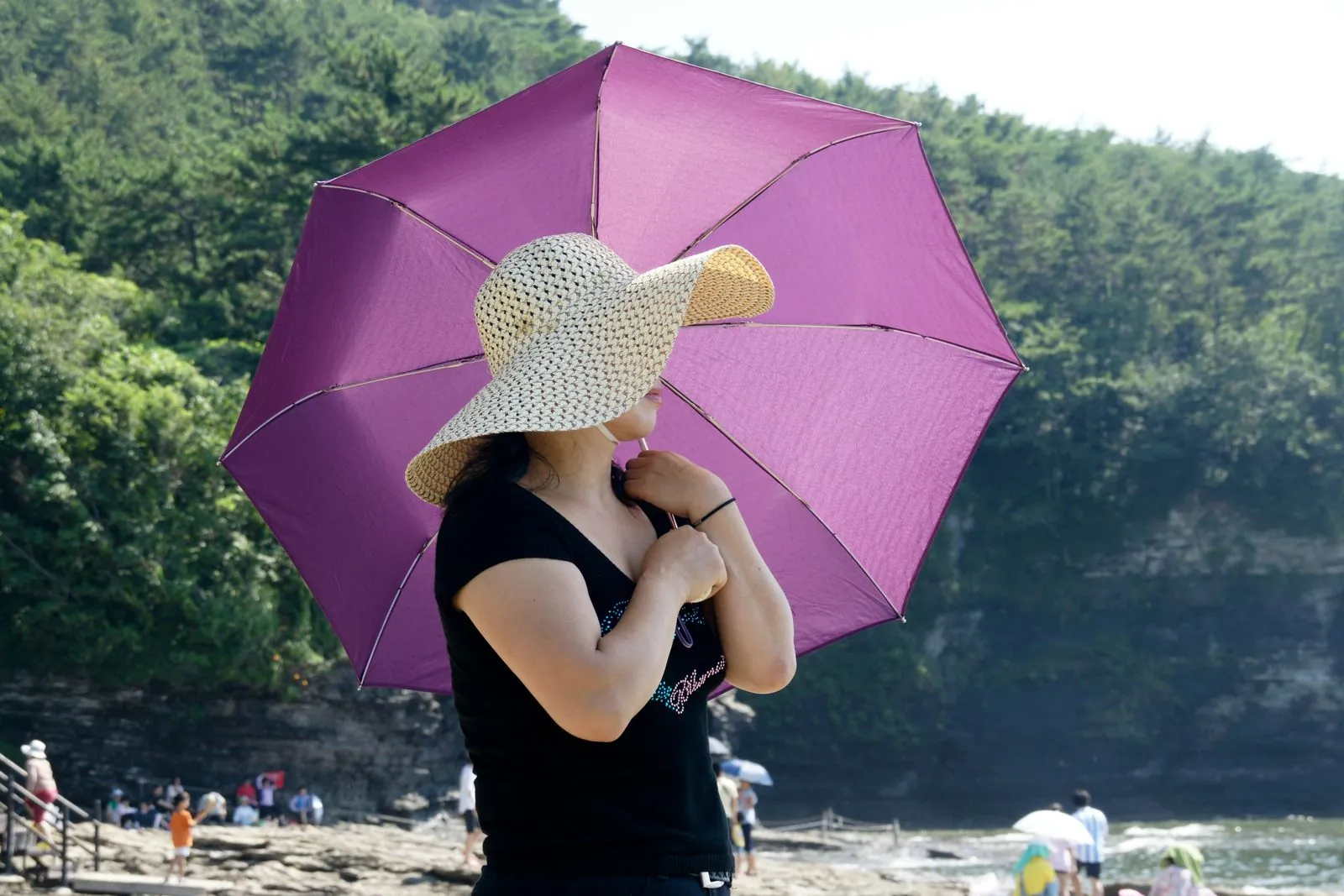
Which sun-safety advice should a public health department pair with vitamin D advice?
See the table
| Zone | People (millions) | Percent of world population | Percent of land area |
|---|---|---|---|
| Southern Hemisphere cold temperate and polar | 0.36 | 3.6 | |
| Southern Hemisphere subtropical and warm temperate | 95 | 16.5 | |
| Equatorial | 3,198 | 40.7 | |
| Northern Hemisphere subtropical and warm temperate | 2,392 | 15.2 | |
| Northern Hemisphere cold temperate and polar | 386 | 24.0 |

Table 1 counts the world’s people by vitamin D zone for lightly pigmented skin.
Which summary fits Table 1 of Jablonski and Chaplin’s 2012 paper?

Which question can’t Table 1 of Jablonski and Chaplin’s 2012 paper answer?

Lesson complete
Today’s word
adaptation
ad-ap-TAY-shun
A heritable change in an organism, resulting from natural selection, that makes the organism better suited to survive and reproduce in a particular environment.
Look at these again
You got every question right the first time.
Sources
- Nina Jablonski and George Chaplin, Department of Anthropology, Pennsylvania State University, PNAS, 2010
- Nina Jablonski and George Chaplin, Philosophical Transactions of the Royal Society B, 2012
- Nina Jablonski and George Chaplin, Philosophical Transactions of the Royal Society B, 2017
- Nina Jablonski and George Chaplin, Proceedings of the Royal Society B, 2014
- Nicholas Crawford, Sarah Tishkoff and colleagues, University of Pennsylvania, Science, 2017
- Ann Webb, Lesley Rhodes and colleagues, University of Manchester, Nutrients, 2018
- TEMIS, a satellite UV data service hosted by KNMI in the Netherlands, TEMIS UV station data
- The UV numbers average the daily cloud-free UV index at local solar noon for December, 2015 to 2024, from the TEMIS station files for Kuala Lumpur and Tromsø. TEMIS defines the clear-sky UV index for cloud-free conditions at local solar noon.
- Vision and Change core concepts and competencies, as summarized in Brownell and others, CBE Life Sciences Education, 2014
- Word origins from Dictionary.com: adaptation, adapt, ad-, apt, -ation, aptitude, adapter, adjacent, adrenal, ultraviolet, ultra-, photolysis, folate, cline
- Folate’s leaf root from Wiktionary, folic acid. Latin aptāre, Spanish and French words from Wiktionary, adaptō, adaptation, adaptación, apto