The Evolution of Skin Color, High school

Human skin comes in many shades, from light to dark. Sunlight carries ultraviolet (UV) light, the part of sunlight that causes sunburn.
Could the sun be part of the reason human skin comes in different colors?
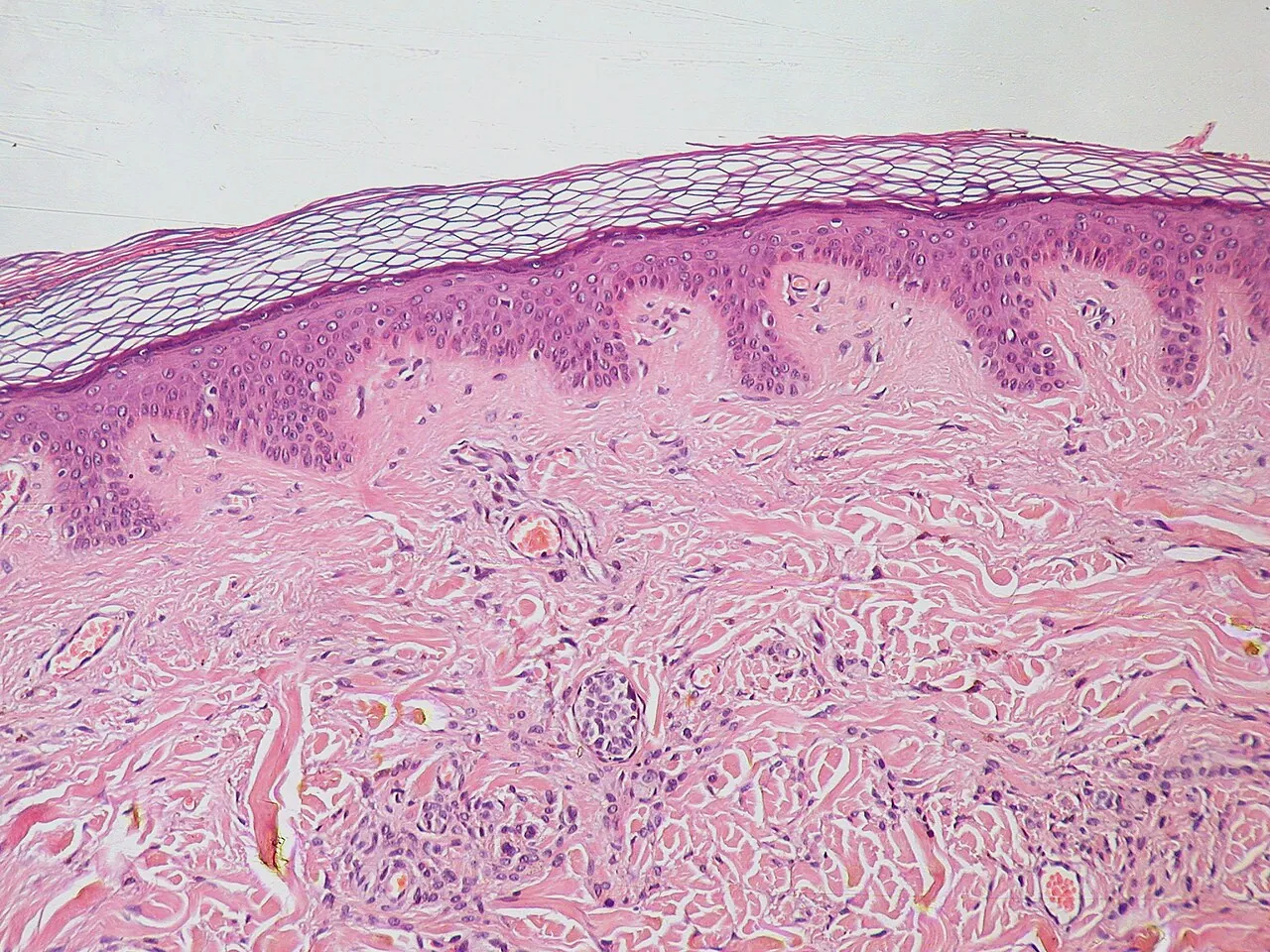
Eumelanin absorbs UV light, and skin needs UVB light to make vitamin D.
What trade-off does eumelanin create between UV protection and vitamin D?
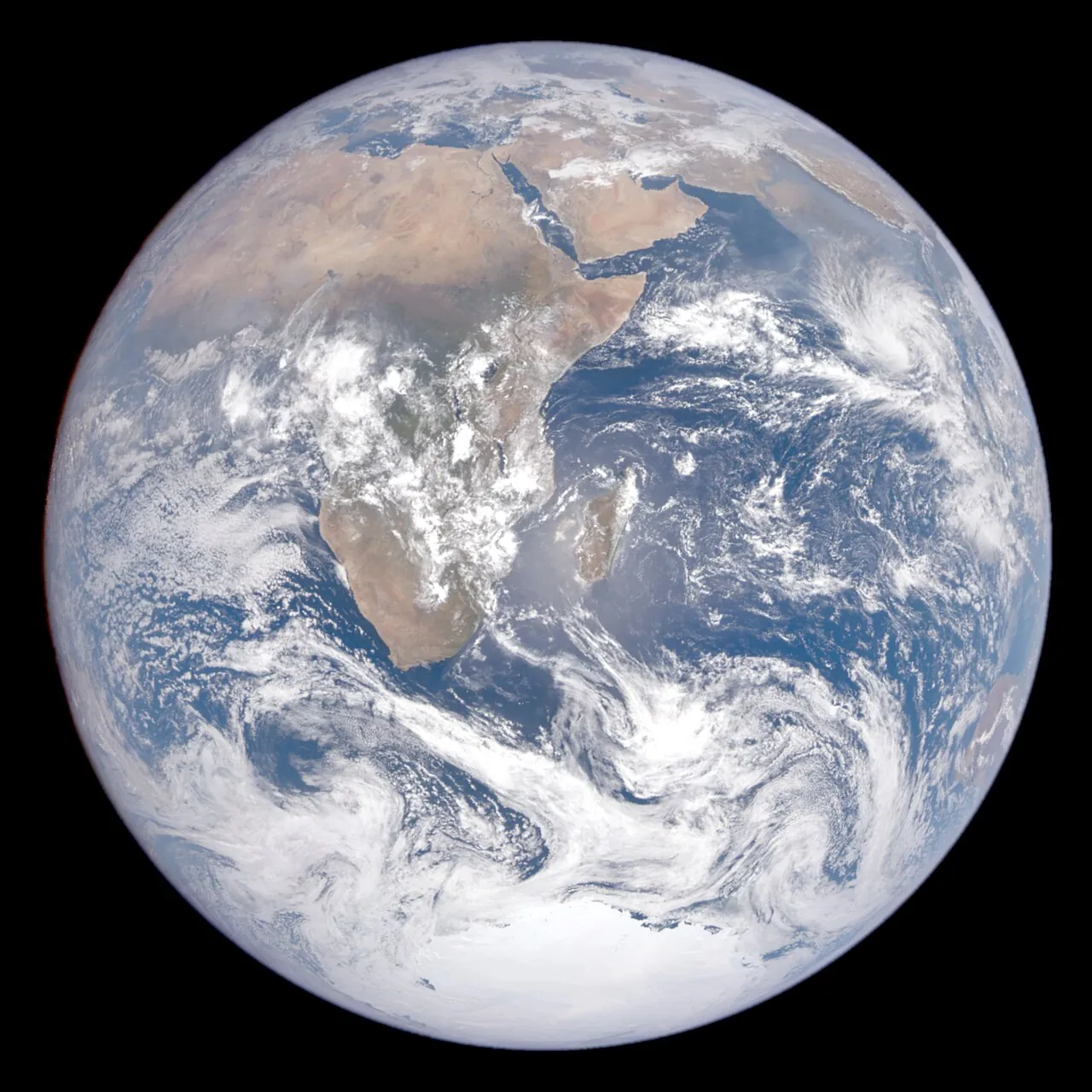
How does the eumelanin trade-off between UV protection and vitamin D change with distance from the equator?
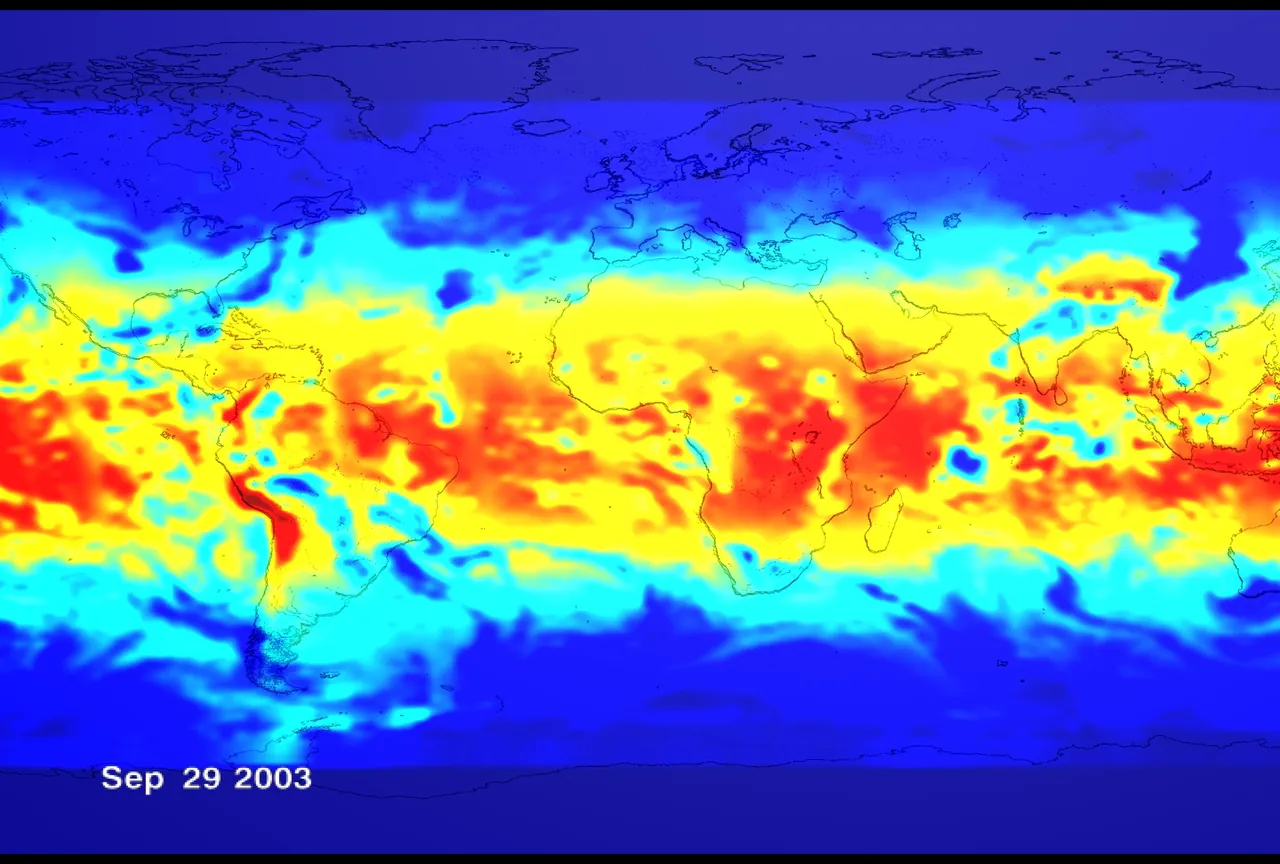
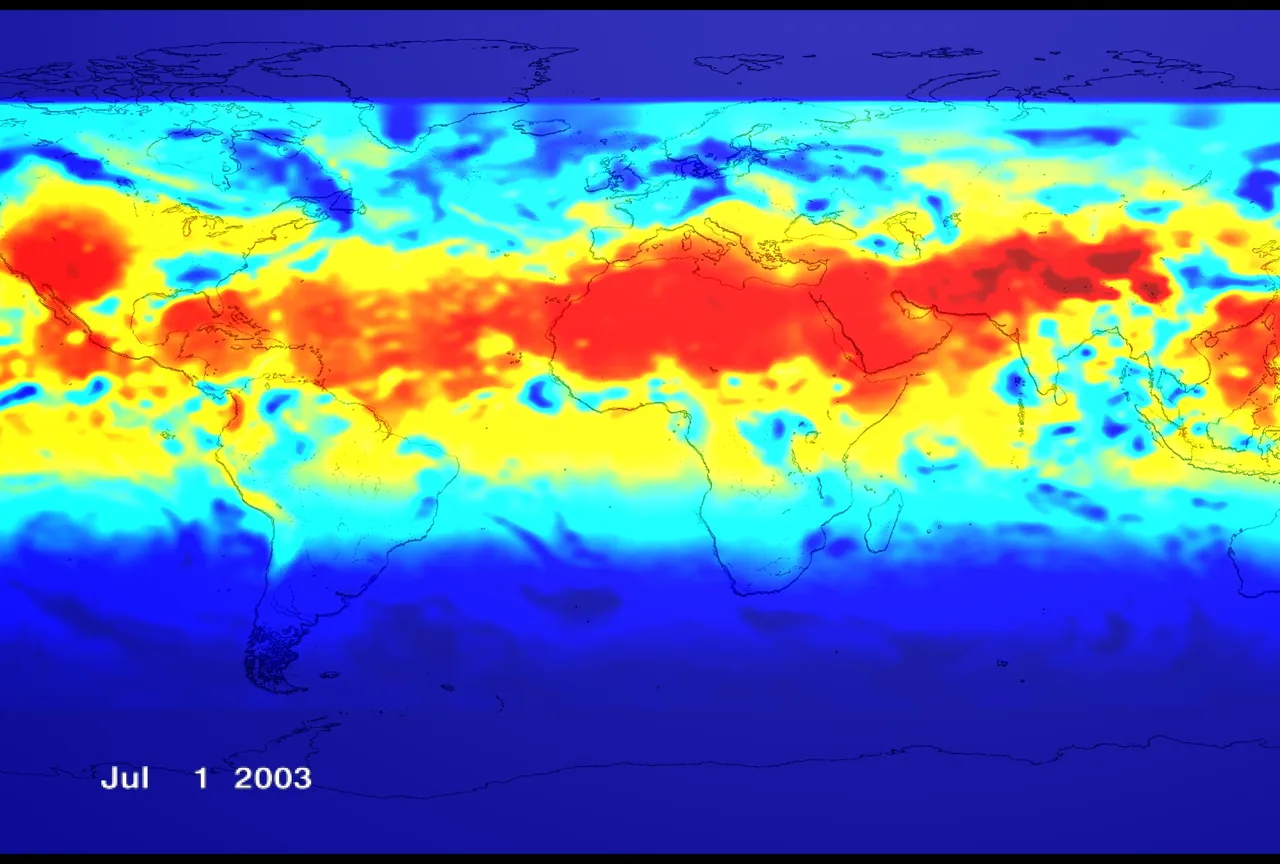
NASA’s TOMS satellites mapped UV across Earth. UV is strongest near the equator, where skin is darkest, and UV weakens toward the poles, where skin is lighter. A match alone doesn’t prove that UV caused the skin color pattern.
Beyond the match between the two maps, which evidence from the video helps show that UV caused the skin color pattern?
In the video, Raven explains that sunlight helps the body make vitamin D.
What does vitamin D do for the body, according to the video?
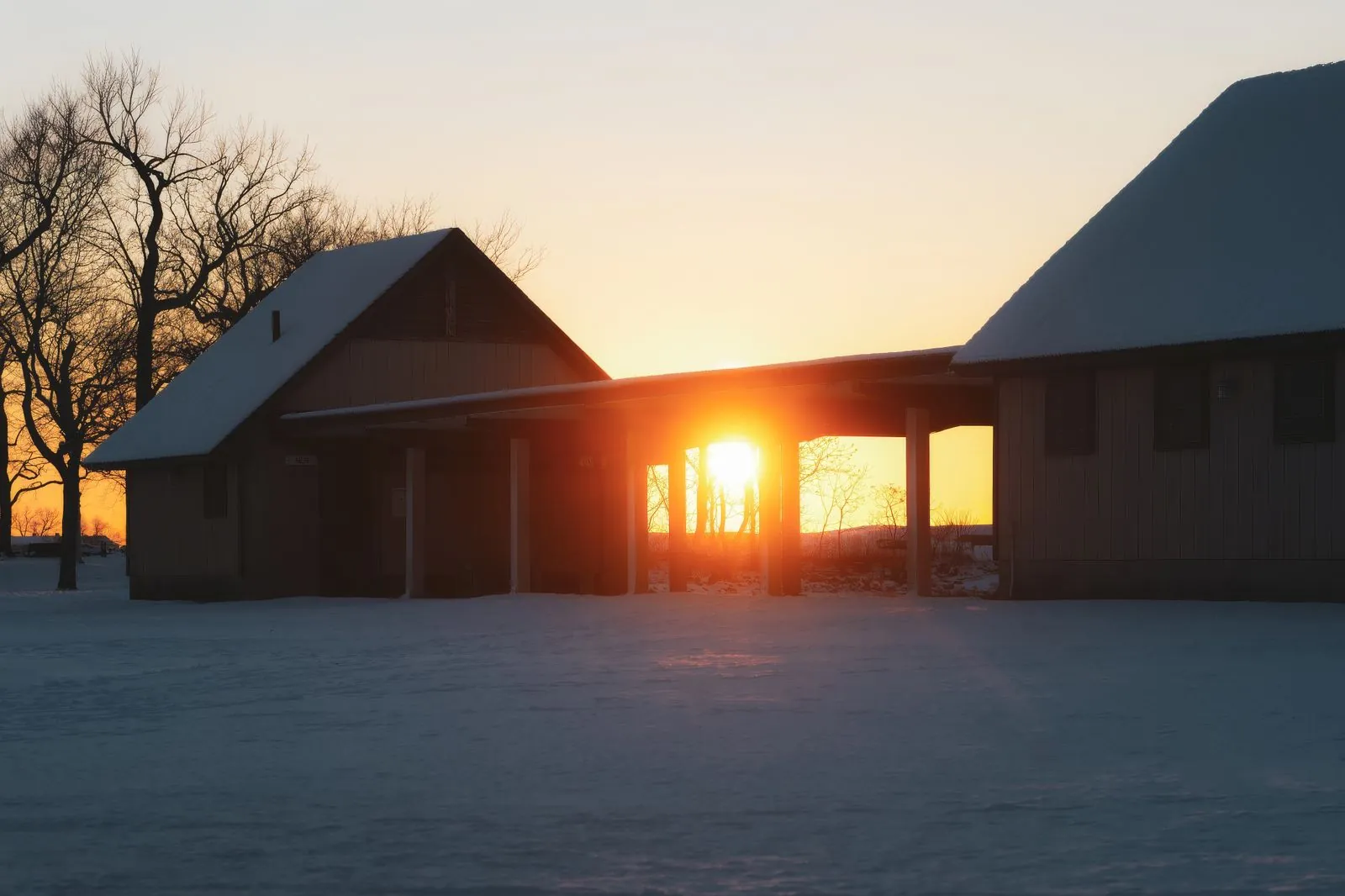
Skin uses UVB light to make vitamin D, and melanin blocks some UVB. Far from the equator, UVB is weak for much of the year.
Why did less melanin help people far from the equator make enough vitamin D?
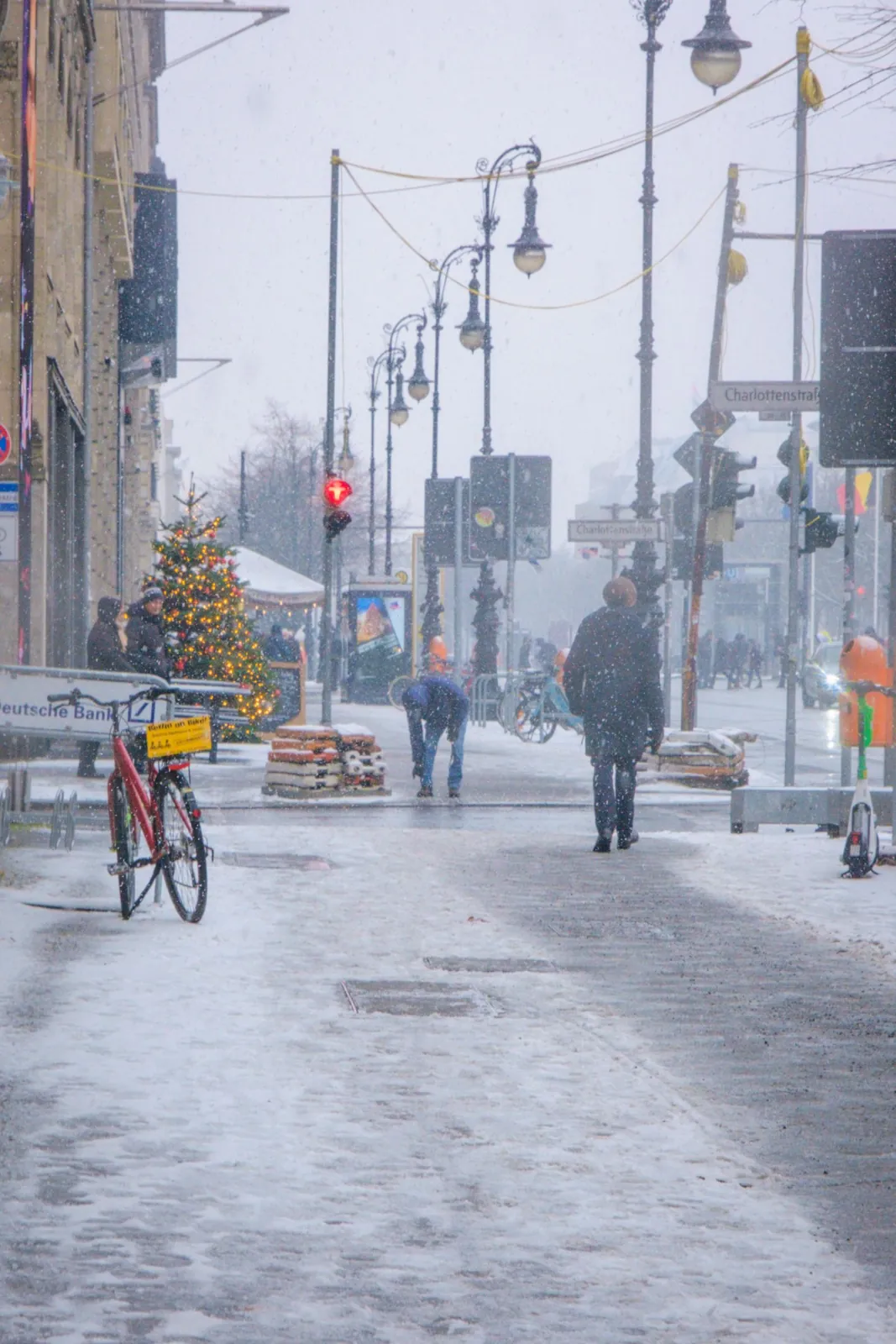
In the video, Raven says people moved faster in the past 400 years than ever before in human history. Voluntary and forced migrations took many people to places with UV far different from their ancestors’ homelands.
What health risk could a person with dark skin face far from the equator?
Claim, evidence, reasoning
Human skin color varies with distance from the equator because natural selection balanced protecting DNA from UV with making vitamin D.
Which evidence from the video backs the claim that skin color varies with distance from the equator?
Claim, evidence, reasoning
In December, the midday UV index is about 11.6 in Kuala Lumpur, near the equator, and 0.0 in Tromsø, Norway, far to the north.
Which statement about UV backs the claim that skin color varies with distance from the equator?

Claim, evidence, reasoning
Which reasoning best links the evidence to the claim about skin color and distance from the equator?

In the video, Raven describes skin color as a balance. Melanin blocks UV that can damage DNA, and skin needs some UV to make vitamin D.
Which two needs did natural selection balance to produce the range of human skin colors, and where was each need most important?

Lesson complete
Today’s word
adaptation
ad-ap-TAY-shun
A heritable trait that evolved through natural selection and makes a living thing better suited to survive and reproduce in its environment.
Look at these again
You got every question right the first time.
Sources
- Nina Jablonski and George Chaplin, Department of Anthropology, Pennsylvania State University, PNAS, 2010
- Nina Jablonski and George Chaplin, Philosophical Transactions of the Royal Society B, 2012
- Nina Jablonski and George Chaplin, Philosophical Transactions of the Royal Society B, 2017
- Nina Jablonski and George Chaplin, Proceedings of the Royal Society B, 2014
- Nicholas Crawford, Sarah Tishkoff and colleagues, University of Pennsylvania, Science, 2017
- Ann Webb, Lesley Rhodes and colleagues, University of Manchester, Nutrients, 2018
- TEMIS, a satellite UV data service hosted by KNMI in the Netherlands, TEMIS UV station data
- The UV numbers average the daily cloud-free UV index at local solar noon for December, 2015 to 2024, from the TEMIS station files for Kuala Lumpur and Tromsø. TEMIS defines the clear-sky UV index for cloud-free conditions at local solar noon.
- Vision and Change core concepts and competencies, as summarized in Brownell and others, CBE Life Sciences Education, 2014
- Word origins from Dictionary.com: adaptation, adapt, ad-, apt, -ation, aptitude, adapter, adjacent, adrenal, ultraviolet, ultra-, photolysis, folate, cline
- Folate’s leaf root from Wiktionary, folic acid. Latin aptāre, Spanish and French words from Wiktionary, adaptō, adaptation, adaptación, apto