The Evolution of Skin Color, Middle school

Human skin comes in many shades, from light to dark. Sunlight carries ultraviolet (UV) light, the part of sunlight that causes sunburn.
Could the sun be part of the reason human skin comes in different colors?
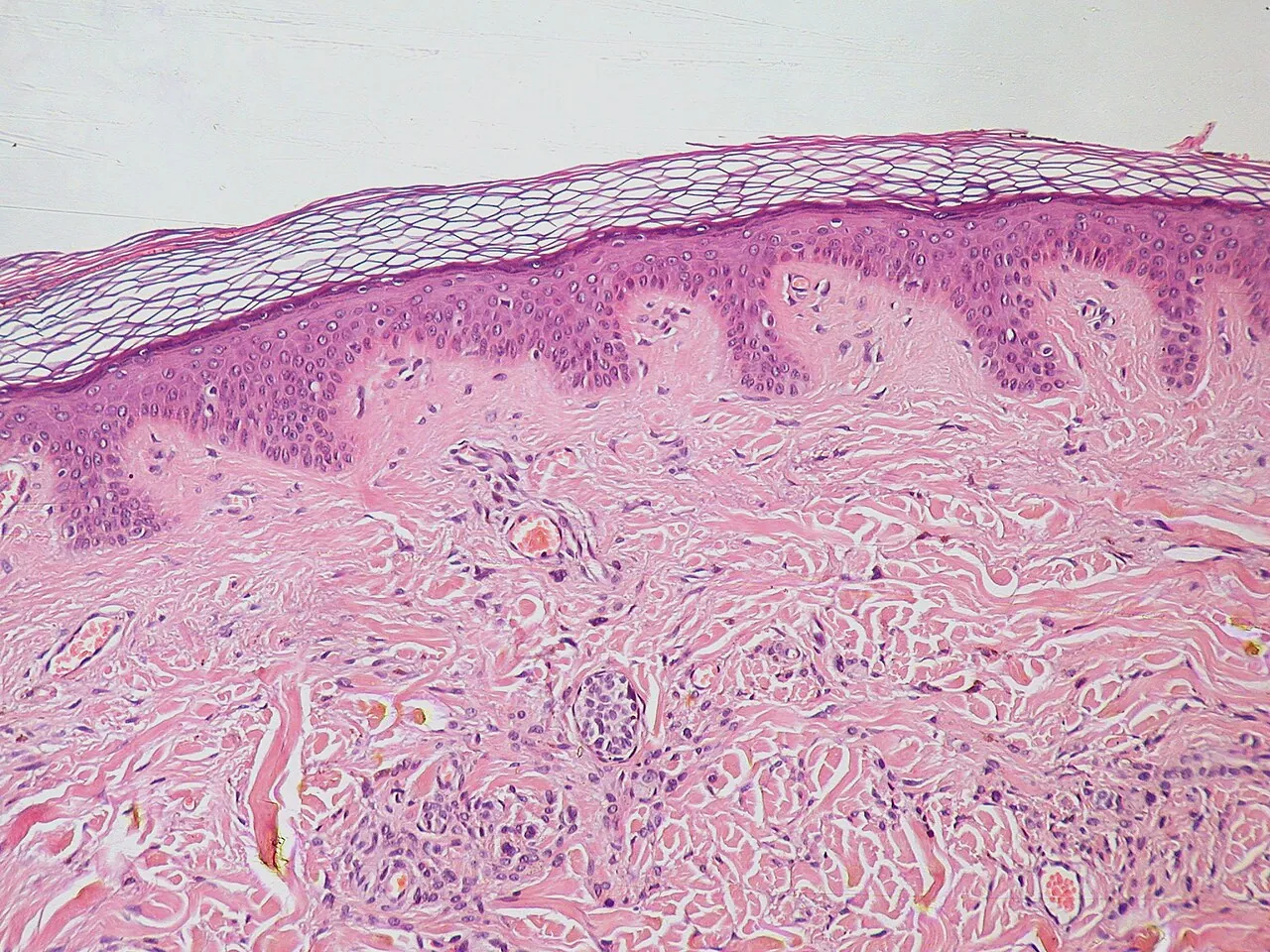
Melanin is a dark pigment, or coloring, in your skin. Melanin absorbs, or soaks up, UV light.
How does melanin protect your skin from UV light?
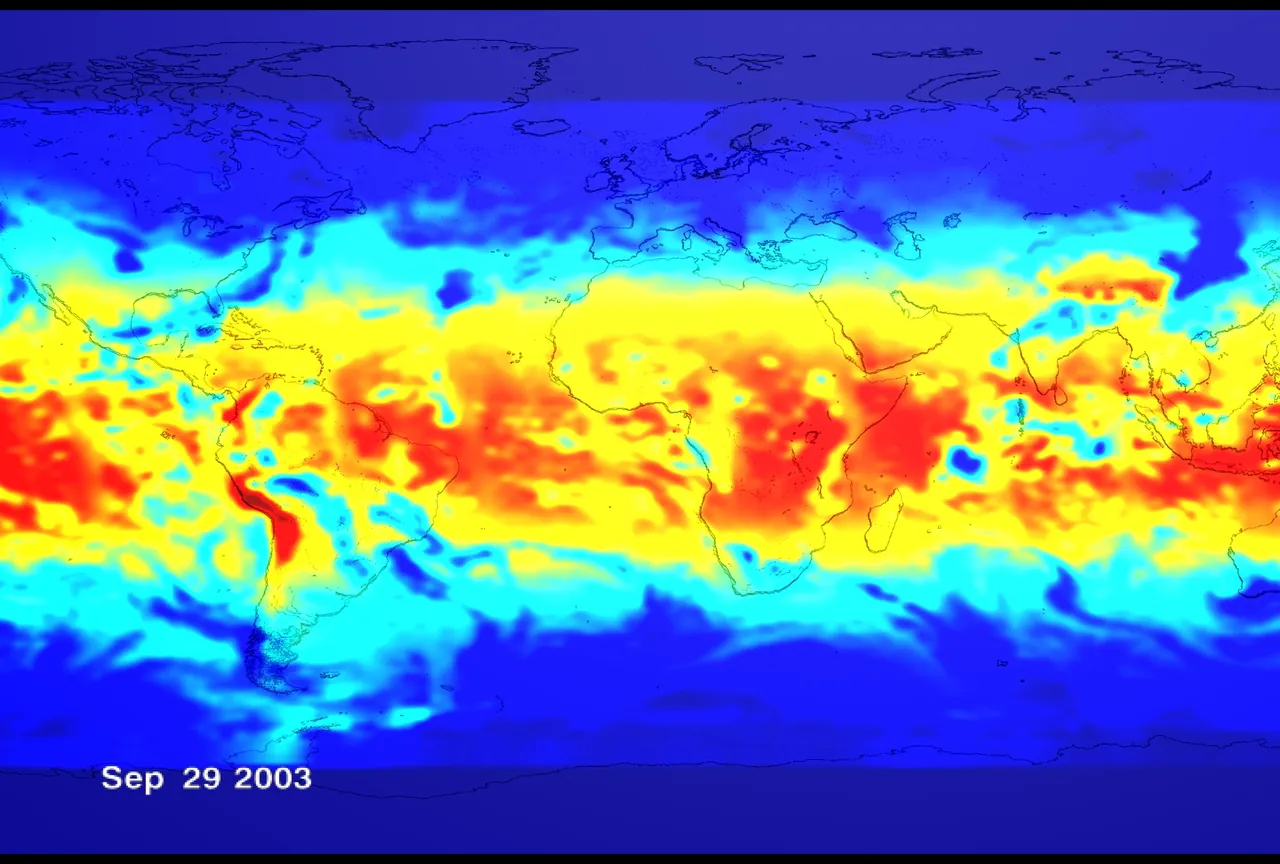
Charles Darwin wrote down that skin was darker near the equator. NASA satellites later mapped the sun’s UV light all over Earth.
What did the NASA UV map show near the equator, where Darwin found the darkest skin?
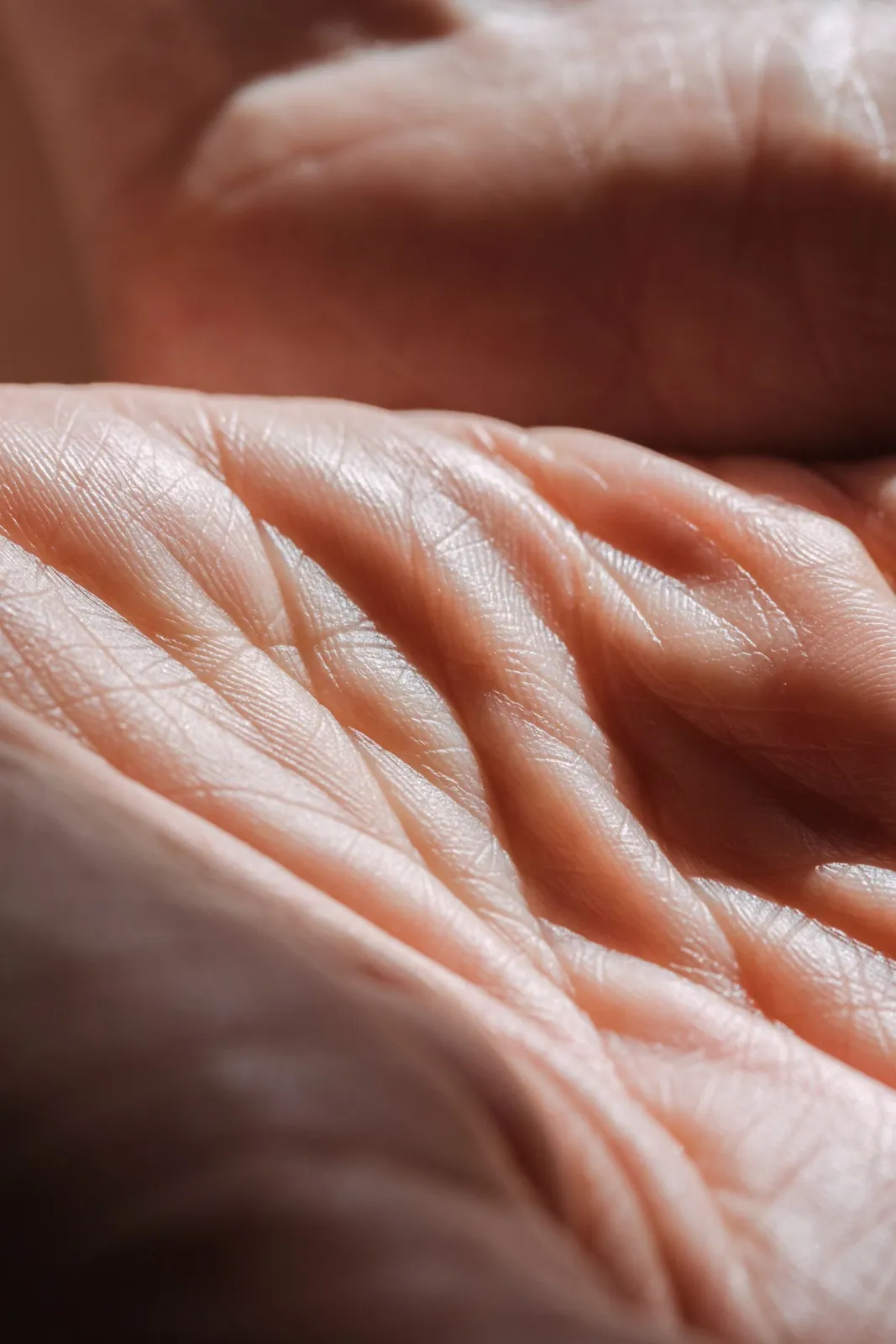
Skin uses a kind of UV light called UVB to make vitamin D. Vitamin D helps the body build strong bones. Melanin blocks some UVB.
Why would lighter skin help people who live where UV light is weak for much of the year?

Today, many people live far from the places where their ancestors lived for thousands of years.
What health problem could a person with dark skin face in a place where winter UV light is weak?

In the video, Raven explains that skin color is a balance. Melanin blocks UV light, and blocking UV protects DNA from damage. Skin also needs some UV light to make vitamin D.
Why did darker skin help people near the equator, while lighter skin helped people far from the equator?
Lesson complete
Today’s word
adaptation
ad-ap-TAY-shun
A trait that helps a living thing survive and have babies in its environment. An adaptation spreads through a group of living things over many generations.
Look at these again
You got every question right the first time.
Sources
- Nina Jablonski and George Chaplin, Department of Anthropology, Pennsylvania State University, PNAS, 2010
- Nina Jablonski and George Chaplin, Philosophical Transactions of the Royal Society B, 2012
- Nina Jablonski and George Chaplin, Philosophical Transactions of the Royal Society B, 2017
- Nina Jablonski and George Chaplin, Proceedings of the Royal Society B, 2014
- Nicholas Crawford, Sarah Tishkoff and colleagues, University of Pennsylvania, Science, 2017
- Ann Webb, Lesley Rhodes and colleagues, University of Manchester, Nutrients, 2018
- TEMIS, a satellite UV data service hosted by KNMI in the Netherlands, TEMIS UV station data
- The UV numbers average the daily cloud-free UV index at local solar noon for December, 2015 to 2024, from the TEMIS station files for Kuala Lumpur and Tromsø. TEMIS defines the clear-sky UV index for cloud-free conditions at local solar noon.
- Vision and Change core concepts and competencies, as summarized in Brownell and others, CBE Life Sciences Education, 2014
- Word origins from Dictionary.com: adaptation, adapt, ad-, apt, -ation, aptitude, adapter, adjacent, adrenal, ultraviolet, ultra-, photolysis, folate, cline
- Folate’s leaf root from Wiktionary, folic acid. Latin aptāre, Spanish and French words from Wiktionary, adaptō, adaptation, adaptación, apto