The Super Guppy, High school
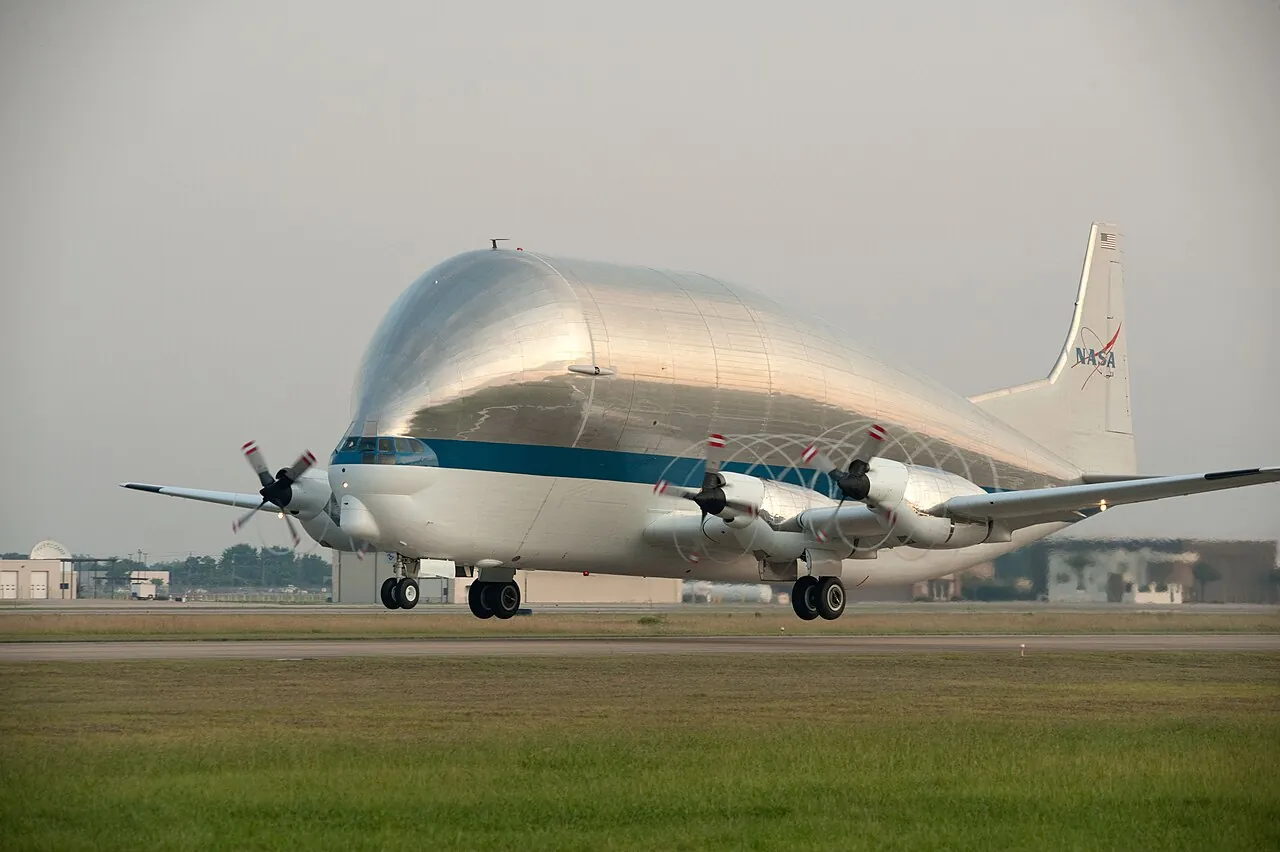
Some rocket parts are 15 to 20 feet wide. They’re too big for regular cargo planes. They’re also too fragile for a long, bumpy ride down the highway.
Could a plane carry a rocket part that big inside its body?

Your word of the day is
air-uh-NAW-tiks
The design, construction and operation of aircraft, and the study of flight through the air.
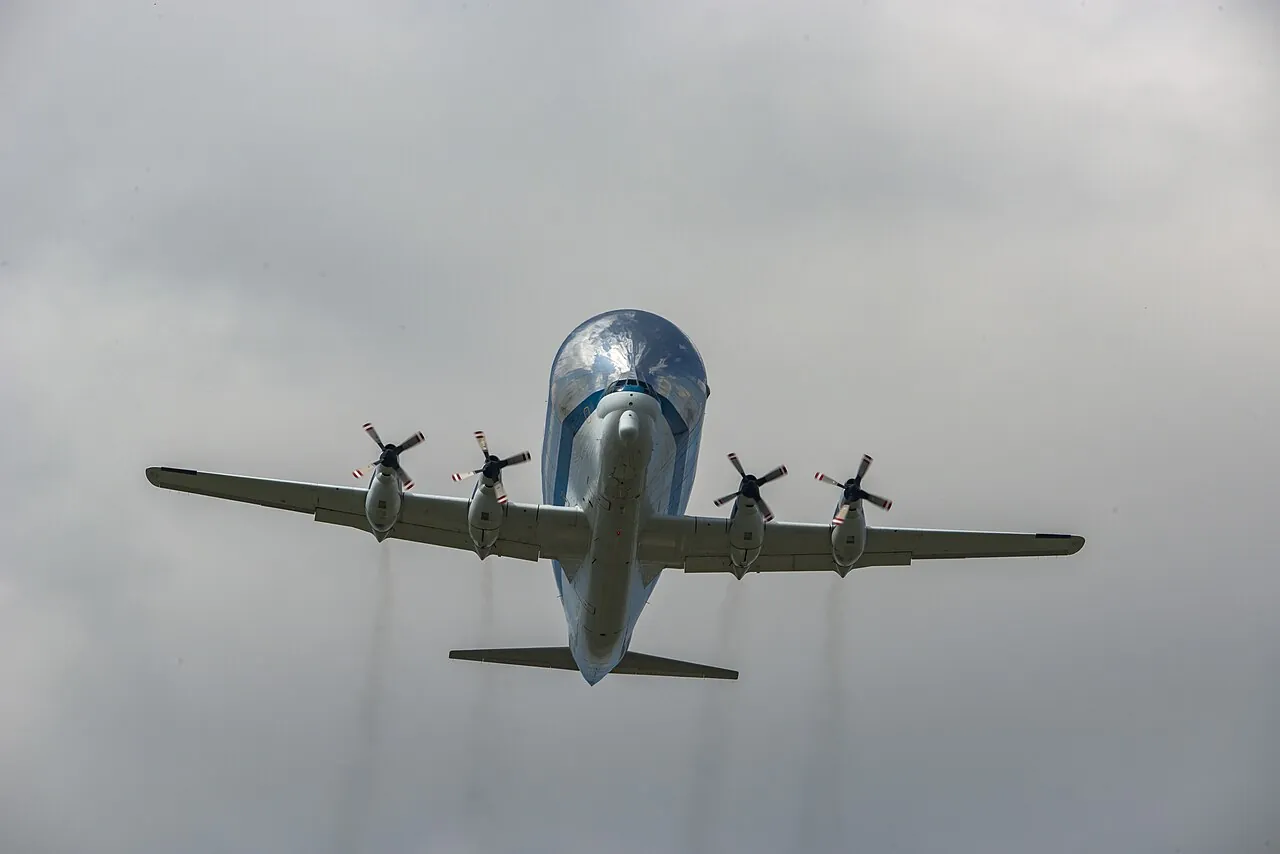
Some rocket parts are 15 to 20 feet wide. They’re built far from the launch site, and they’re too fragile for long trips on bumpy highways.
Which list matches the three constraints the video gives for moving rocket parts?
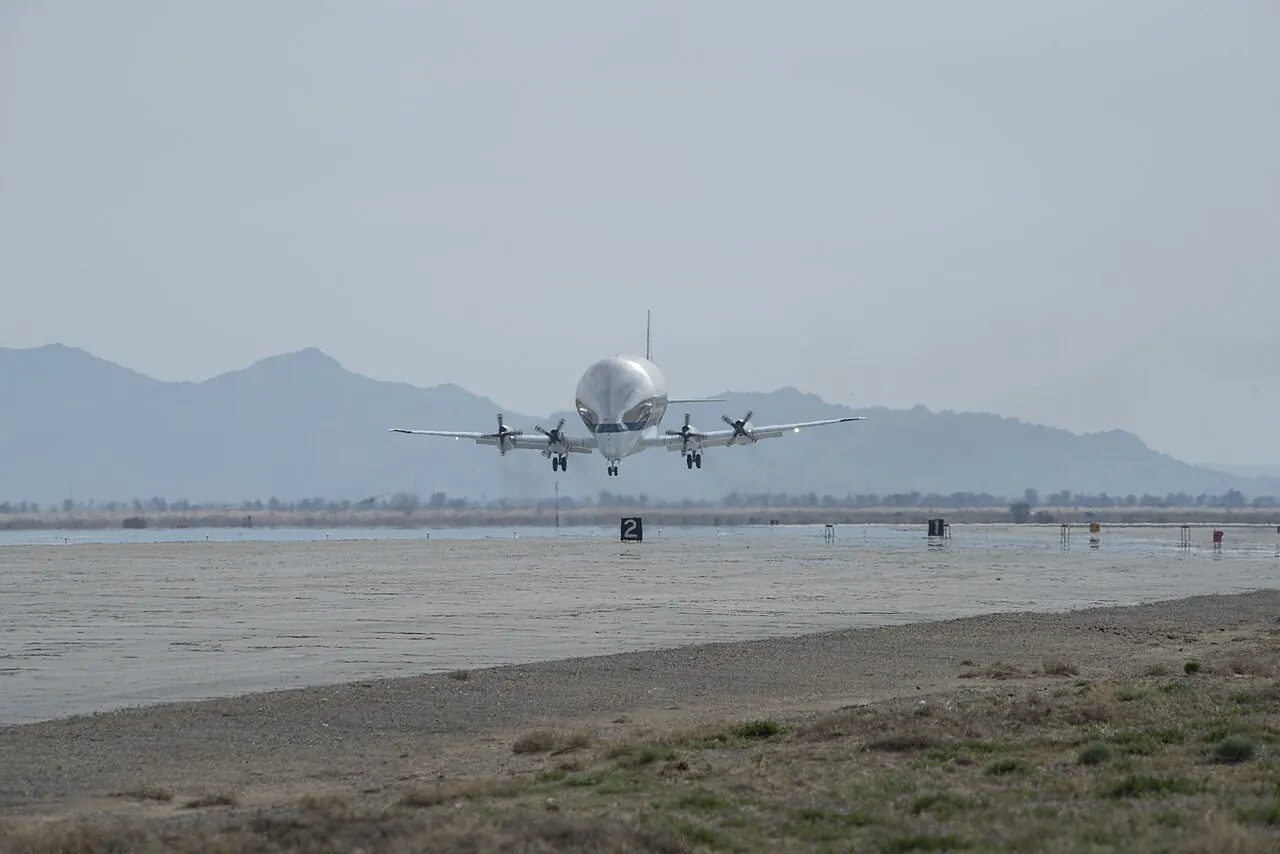
Which is a criterion, or goal, for NASA’s job of moving rocket parts?
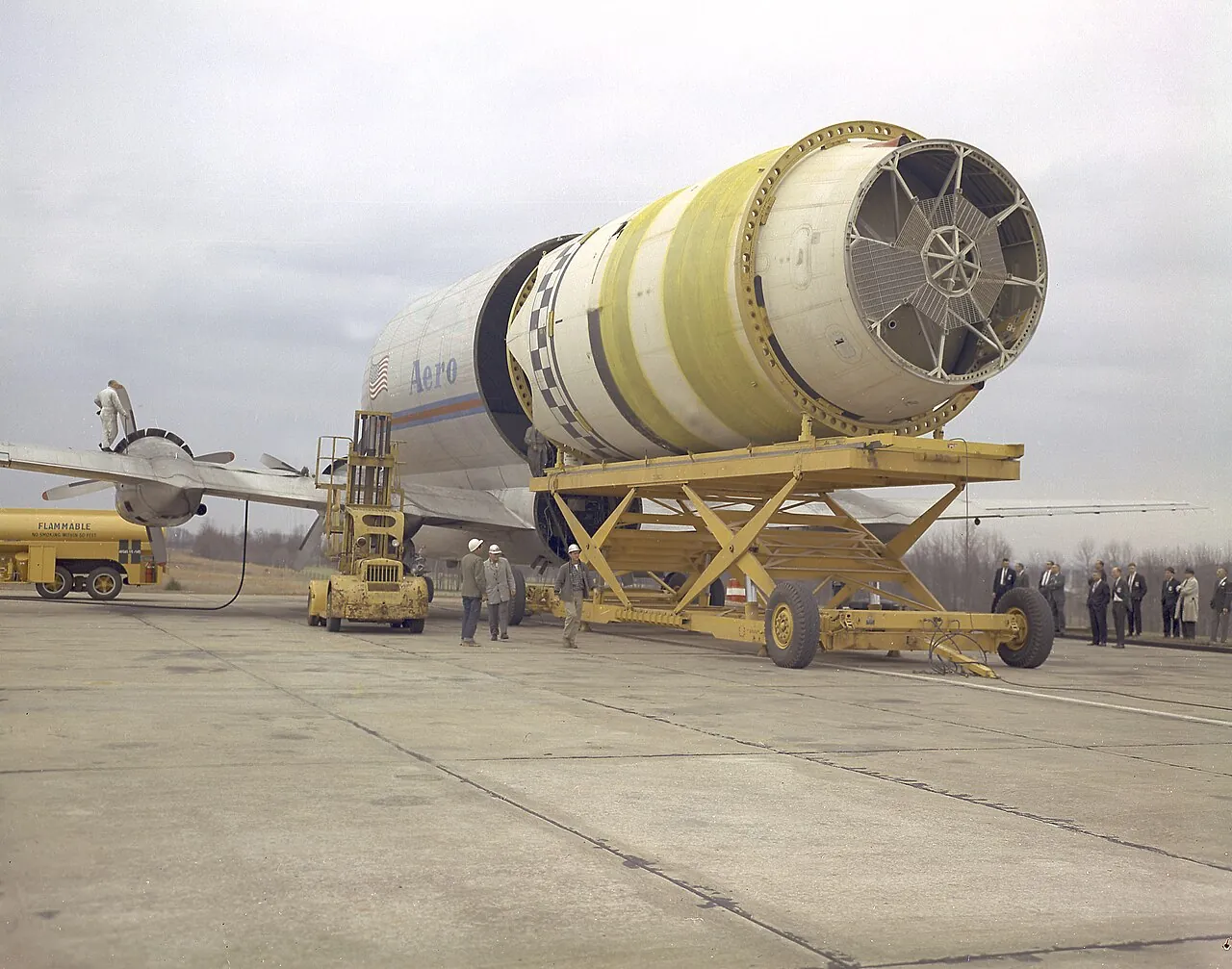
Big rocket stages went to Florida by barge in 18 to 25 days. The Pregnant Guppy flew the same kind of cargo in about 18 hours.
Why did NASA need a new plane like the Pregnant Guppy instead of a regular cargo plane?
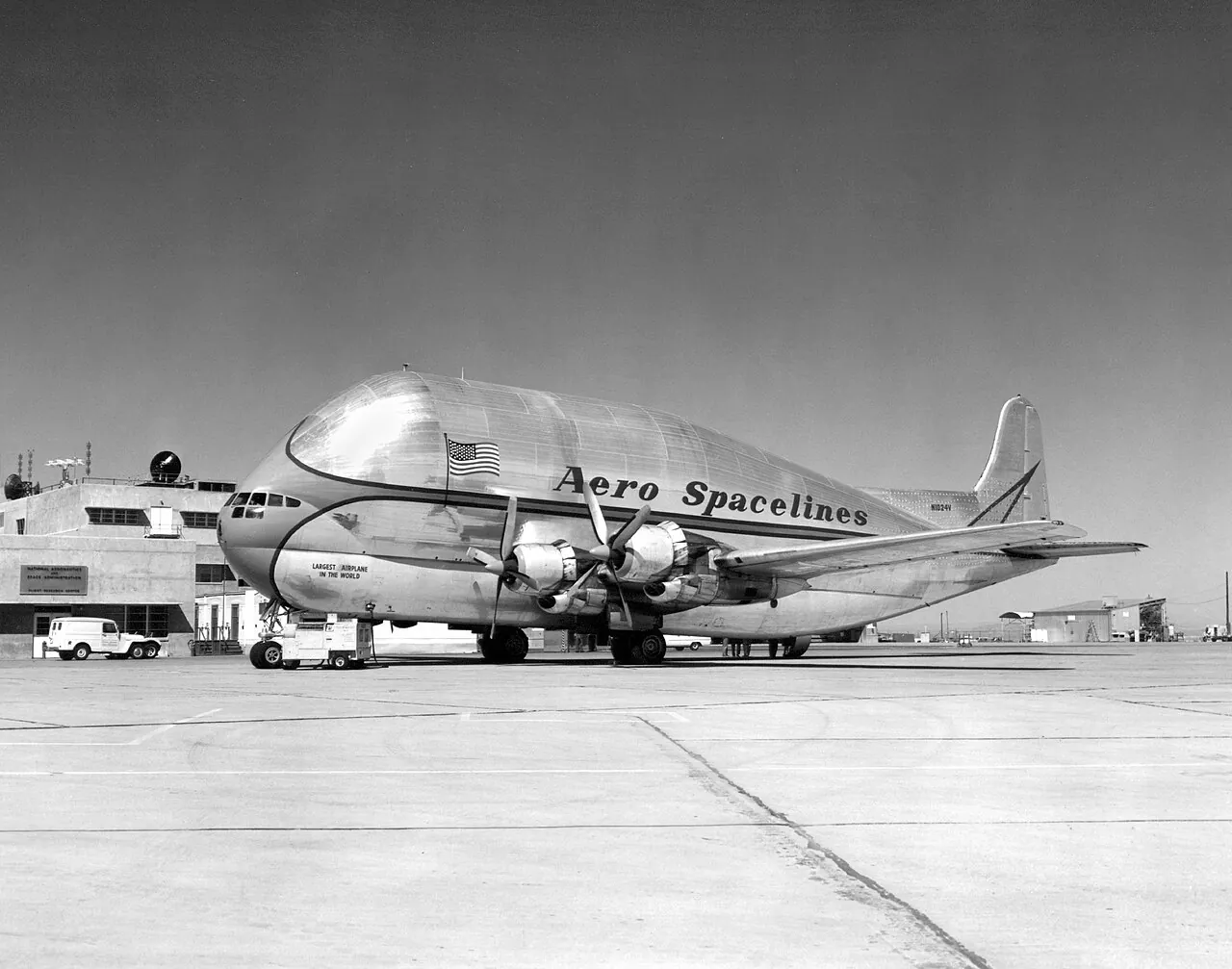
The Pregnant Guppy’s 18-hour flight was ____ times faster than the fastest barge trip of 18 days.
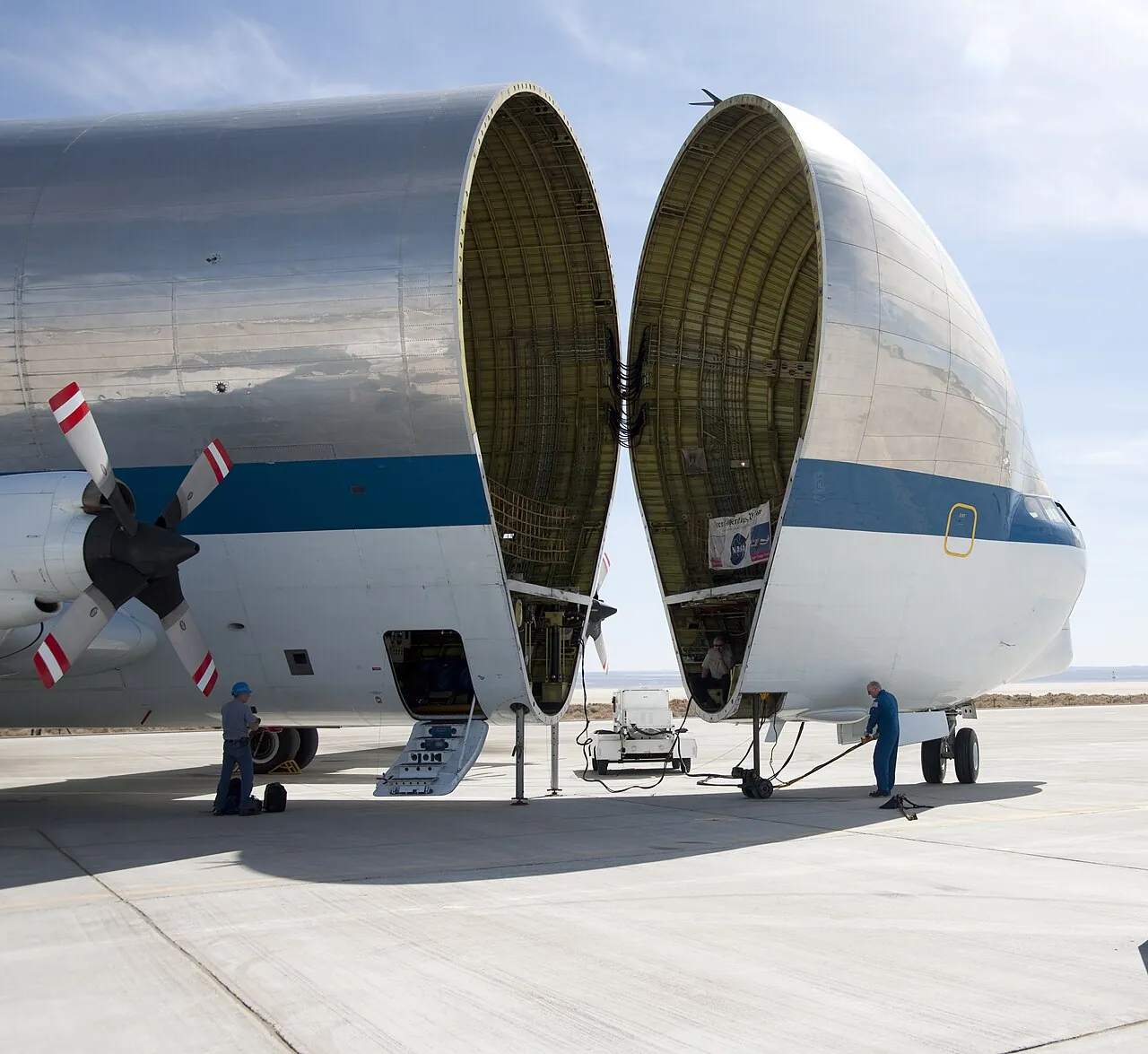
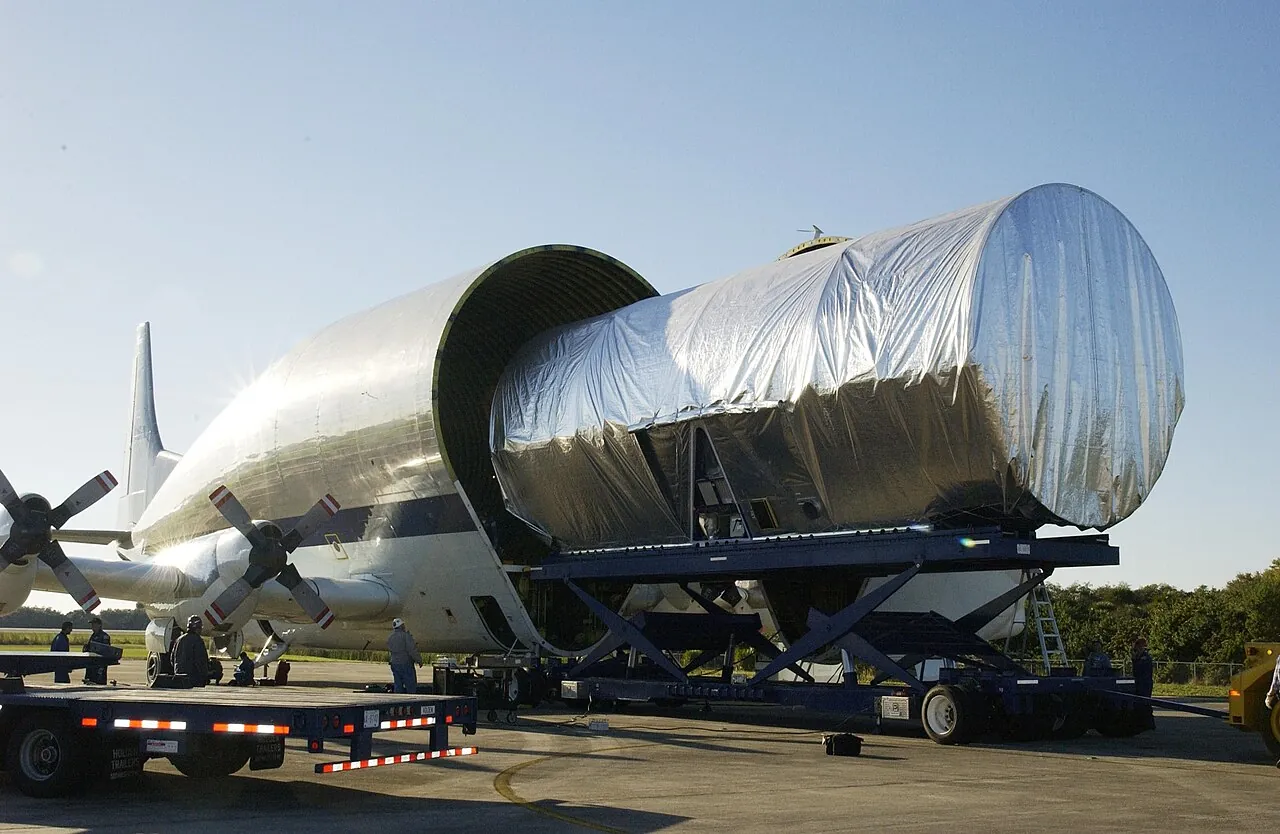
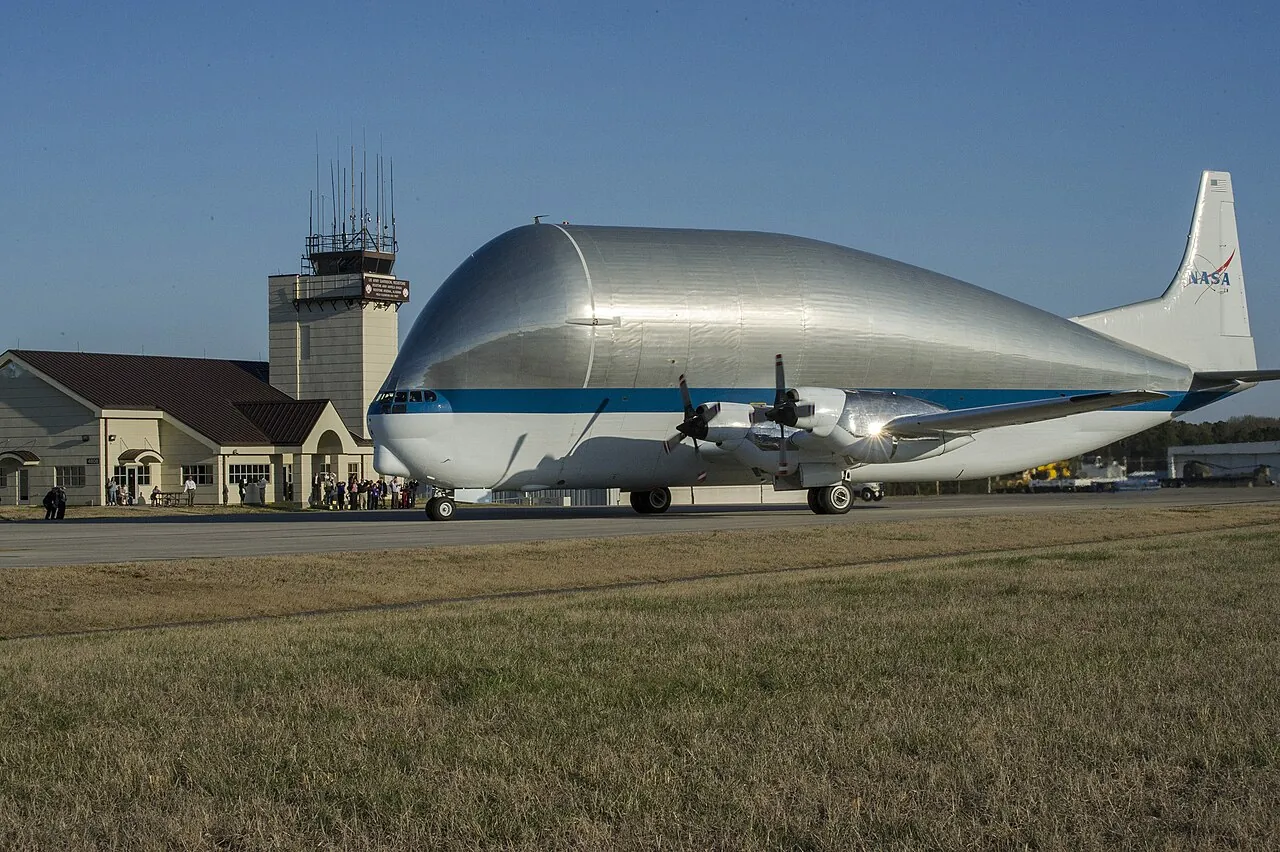
The Super Guppy’s nose hinges 110 degrees to the side, and crews drive the spacecraft straight in.
Why does a plane that carries 16.5-foot-wide spacecraft load through its nose?
Claim, evidence, reasoning
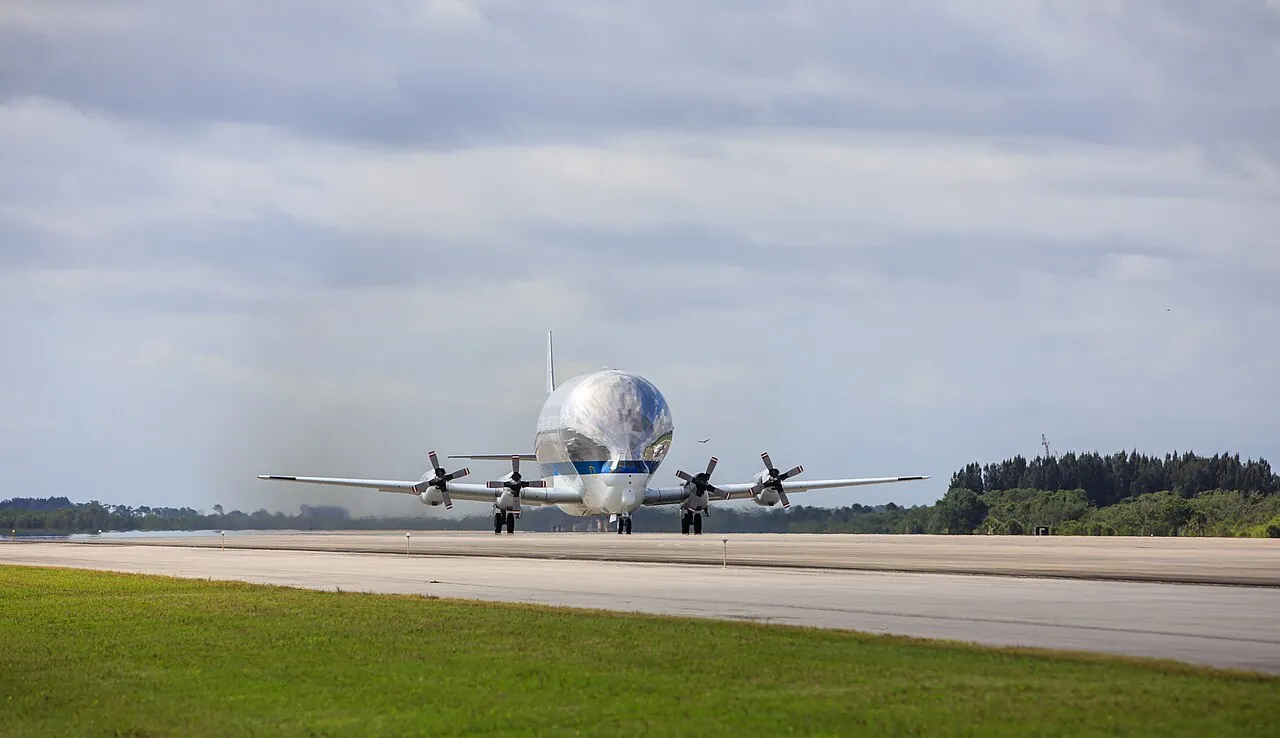
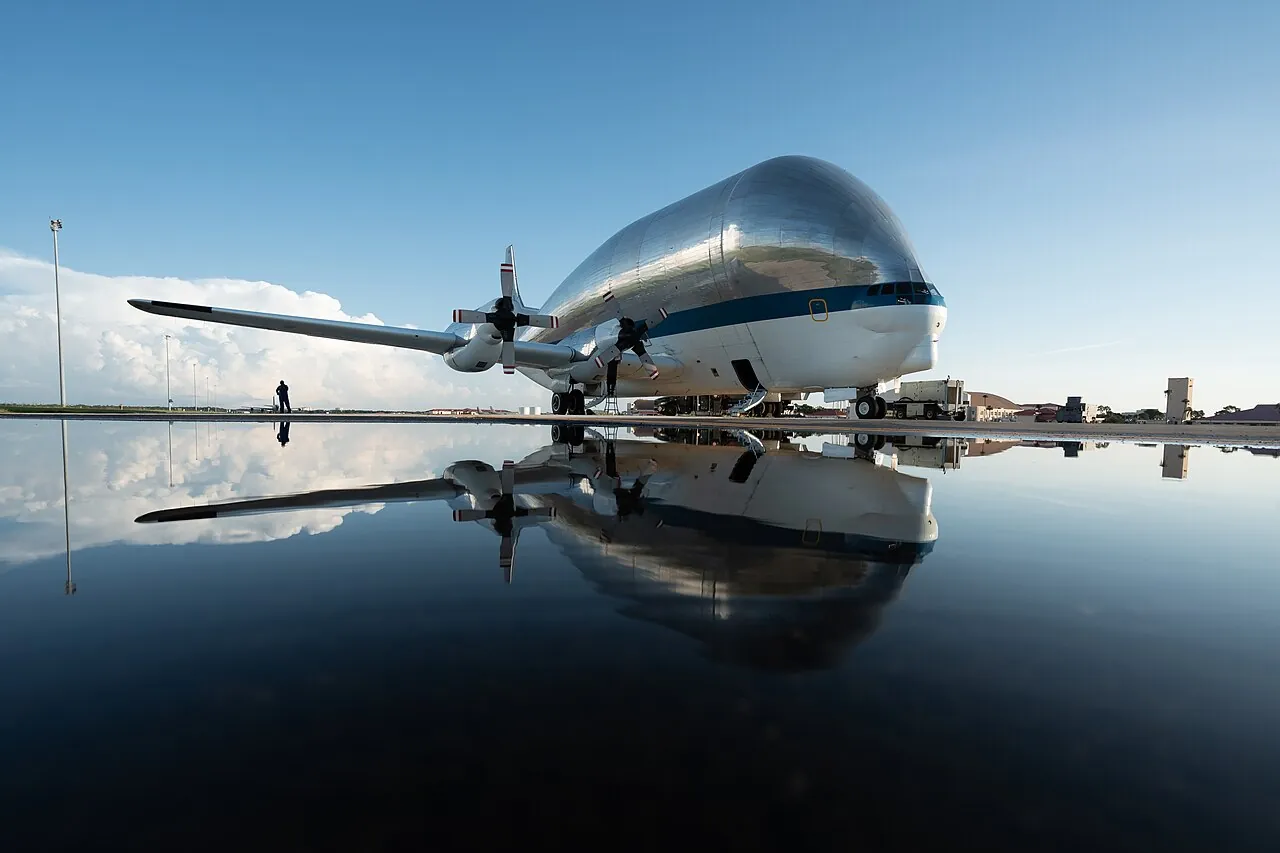
Other cargo planes can carry more weight, but few match the Super Guppy’s cargo room.
Which claim best explains why NASA keeps flying the Super Guppy?
Claim, evidence, reasoning
Which evidence backs the claim that the Super Guppy’s cargo room keeps the plane flying for NASA?
Claim, evidence, reasoning
Which reasoning connects the Super Guppy’s cargo room to NASA’s choice to keep flying the plane?
Why did NASA keep the truck leg of Orion’s trip as short as possible?
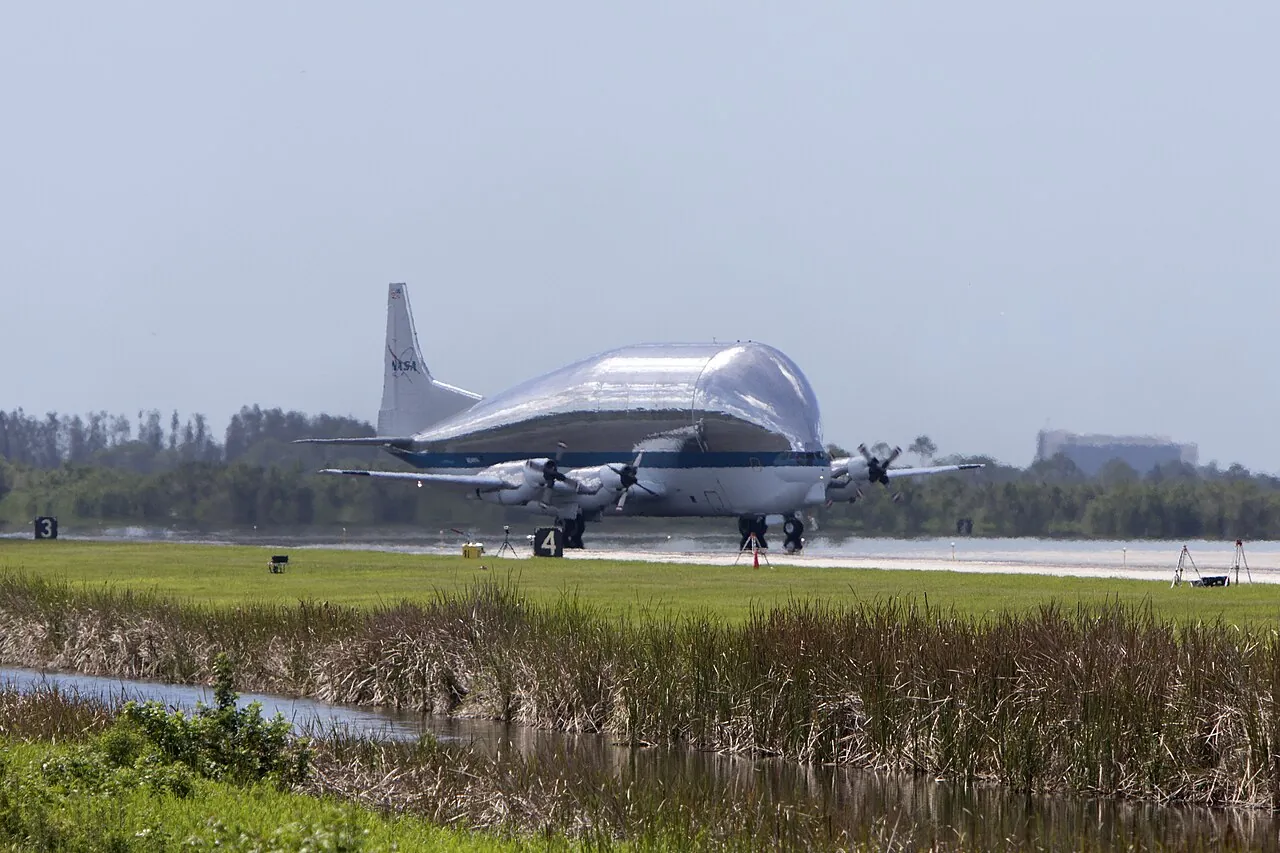
During landing, sensors on the cargo rails measured a sideways push that the old cargo rules didn’t include.
Why did NASA add a sideways push to its Super Guppy cargo rules after the Artemis I airlift?
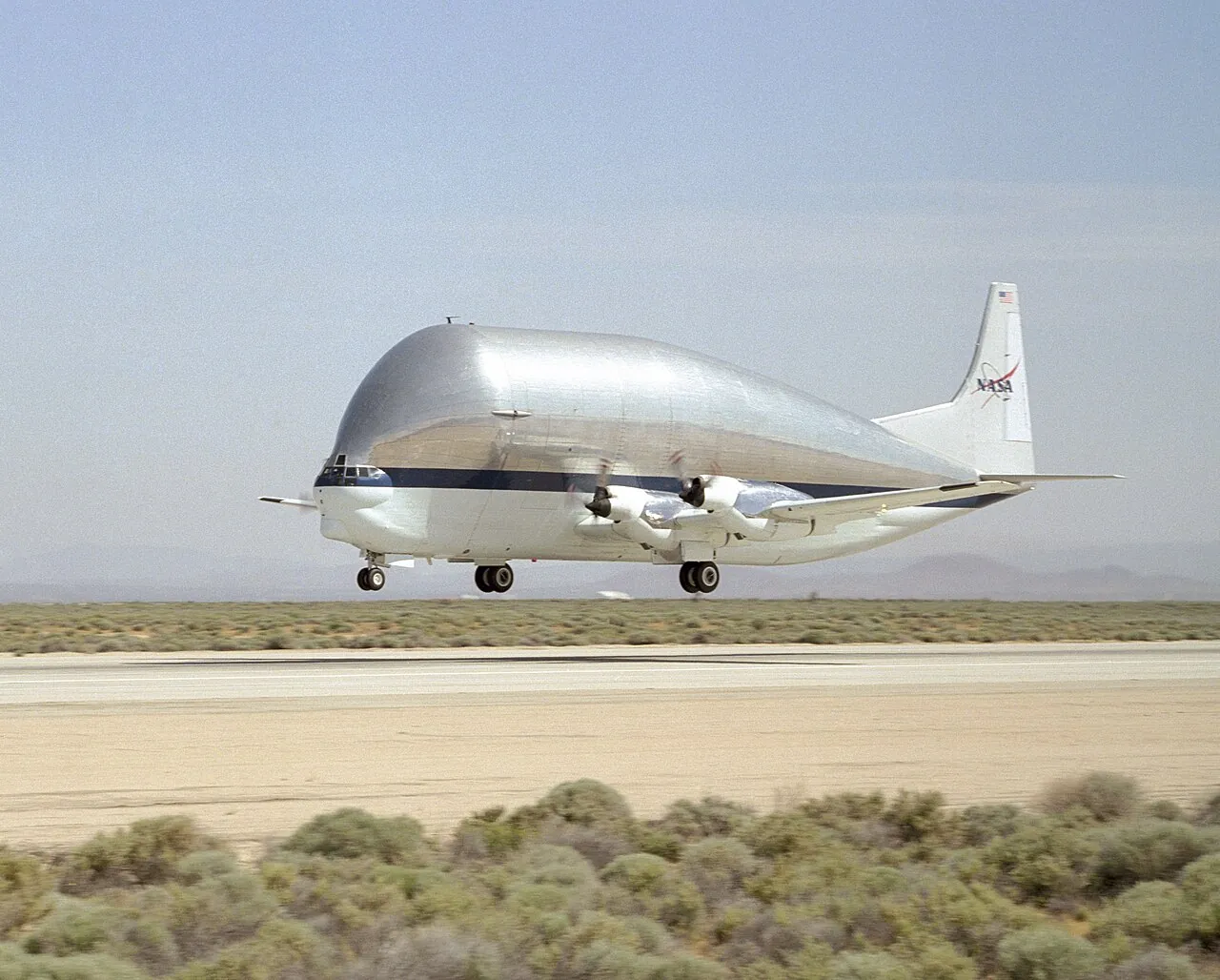
The SLS core stage is 27.6 feet wide and 212 feet long.
Which constraint rules out the Super Guppy for the SLS core stage?
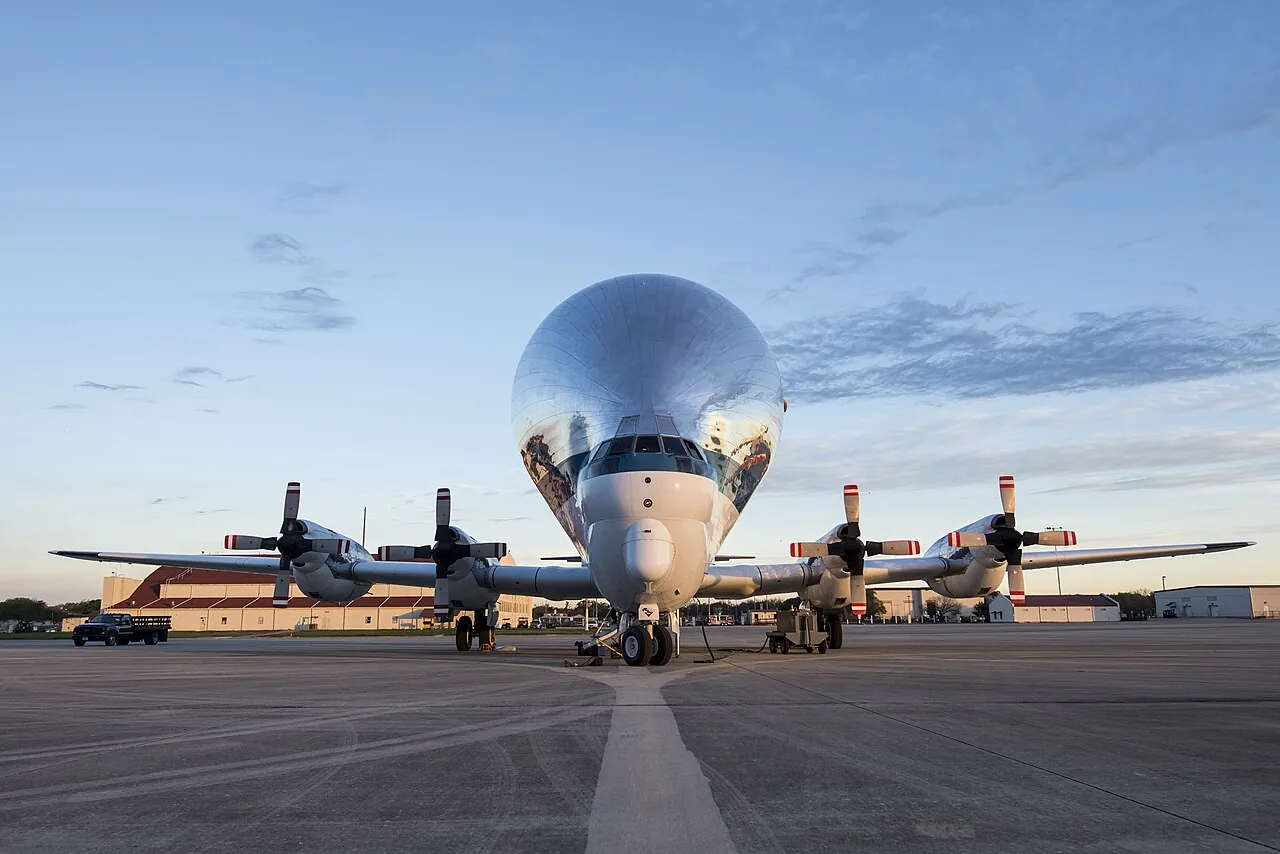
The Orion heat shield is 16.5 feet wide and was built near Denver, Colorado, far from Kennedy Space Center in Florida.
Why did the Orion heat shield fly to Florida in the Super Guppy instead of riding a truck?
Lesson complete
Today’s word
aeronautics
air-uh-NAW-tiks
Designing, building and flying aircraft, plus the study of flight through the air. It’s the A in NASA, the National Aeronautics and Space Administration.
Look at these again
You got every question right the first time.
Sources
- NASA Johnson Space Center Aircraft Operations Division, approved by division chief Raymond G. Heineman, Super Guppy Transport User’s Guide, AOD 33973 Rev C, May 2023
- NASA Johnson Space Center Aircraft Operations Division, Super Guppy Oversize Cargo Transport, NASA web page
- John A. Bakalyar, NASA Johnson Space Center, NASA Technical Reports Server, 2018 presentation
- NASA, NASA, 2016 and Orion Fun Facts
- NASA, SLS Orion stage adapter and media advisory, 2018
- Corinne Edmiston, NASA Marshall Space Flight Center, NASA, 2022
- NASA, SLS core stage, NASA reference page
- NASA, NASA’s Pegasus Barge, NASA web page
- NASA, NASA, 2019 and the flight back, 2020
- NASA, Solid rocket booster fact sheet and NASA, 2020
- Federal Highway Administration, U.S. Department of Transportation, Questions and Answers About Vehicle Size and Weight
- More NASA articles on Super Guppy deliveries: Orion pressure vessel, 2016, composite test structure to Langley, 2014 and Orion transport fixture fit check, 2019
- For classes that want the physics of flight, NASA Glenn Research Center’s Four Forces on an Airplane
- ABET, Criteria for Accrediting Engineering Programs, 2026-2027, Criterion 3
- Word origins from Dictionary.com: aeronautics, aero-, nautical, -ics, astronaut, Argonaut, aerobic, aerosol, nautical mile, aerophone, nausea, cosmonaut, fuselage, turboprop
- Instagram original, posted March 2, 2026, not linked because Instagram needs a login