The Super Guppy, Middle school
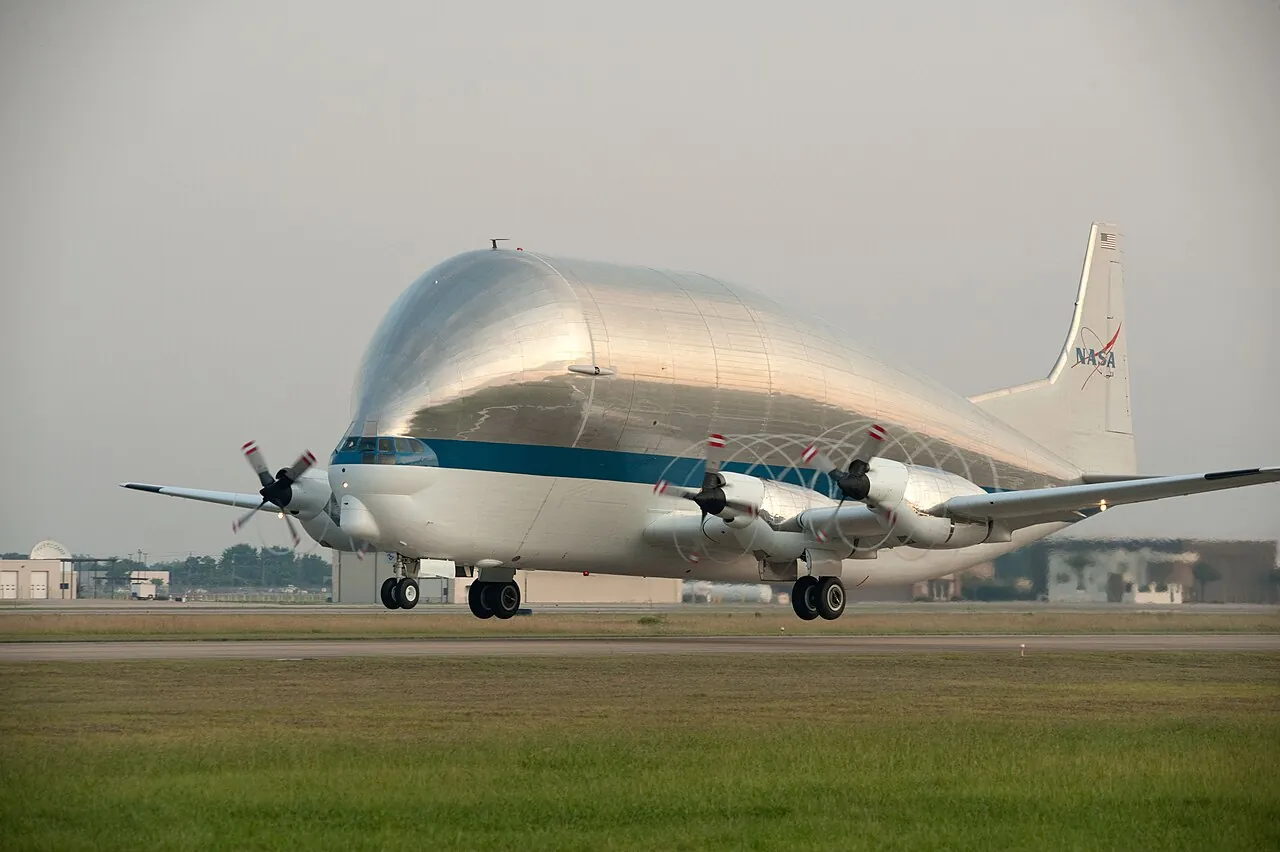
Some rocket parts are 15 to 20 feet wide. They’re too big for regular cargo planes. They’re also too fragile for a long, bumpy ride down the highway.
Could a plane carry a rocket part that big inside its body?
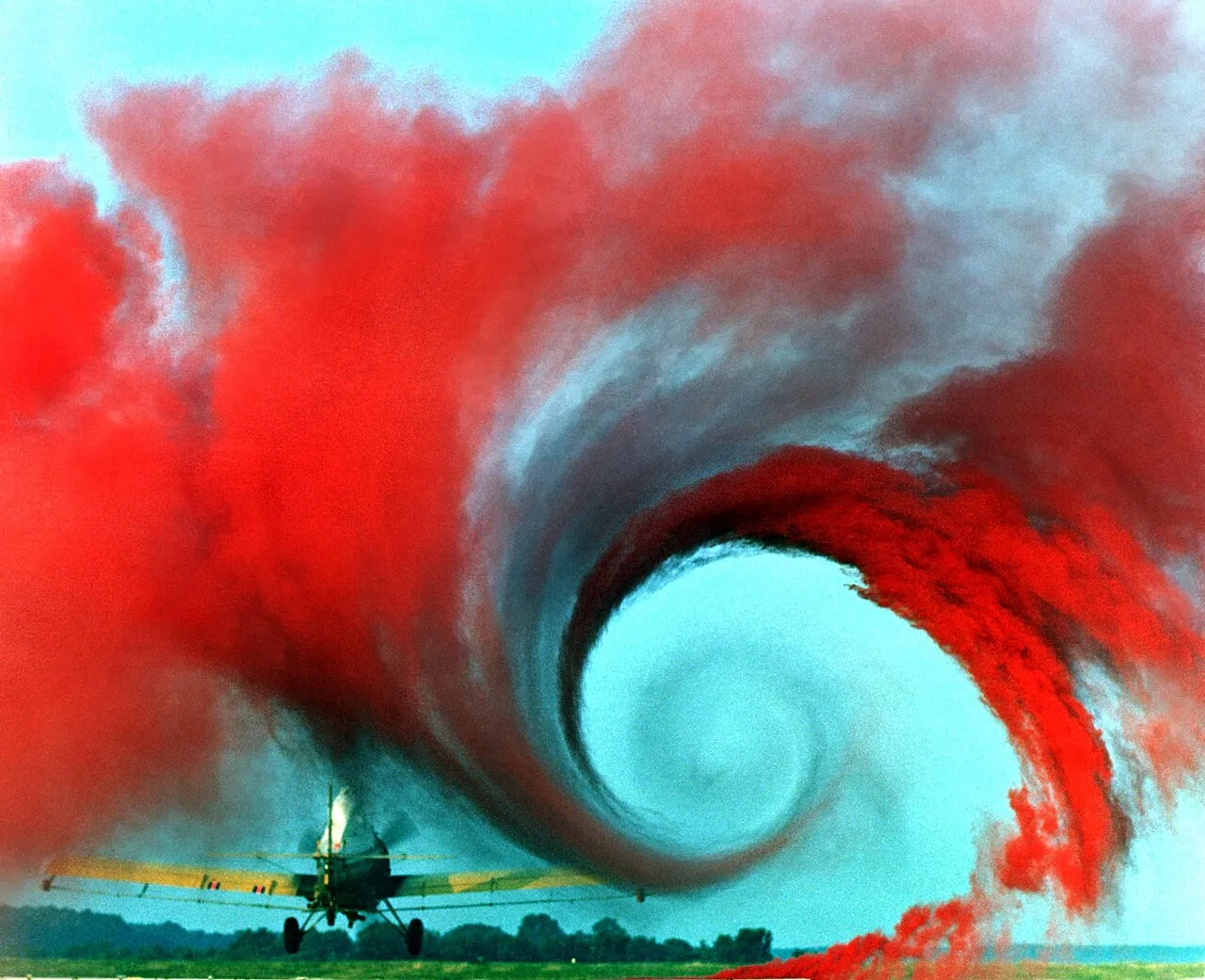
Your word of the day is
air-uh-NAW-tiks
The design, construction and operation of aircraft, and the study of flight through the air.
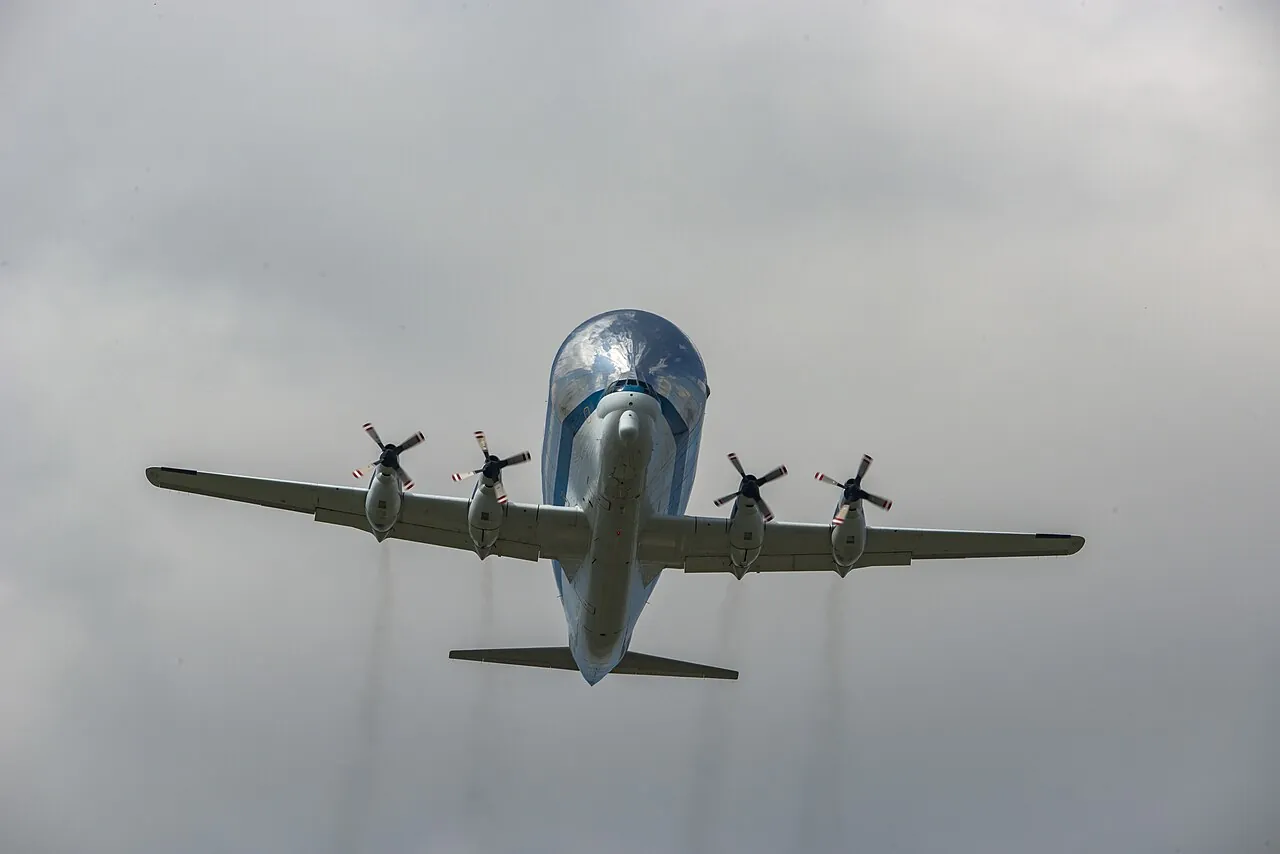
On the ground, giant rocket parts run into tunnels, narrow roads, low bridges and power lines.
How does the Super Guppy get giant rocket parts past tunnels, bridges and power lines?
Some rocket parts are too fragile for potholes. The trip to the launch site can be thousands of miles.
What makes a long highway trip so risky for a fragile rocket part?
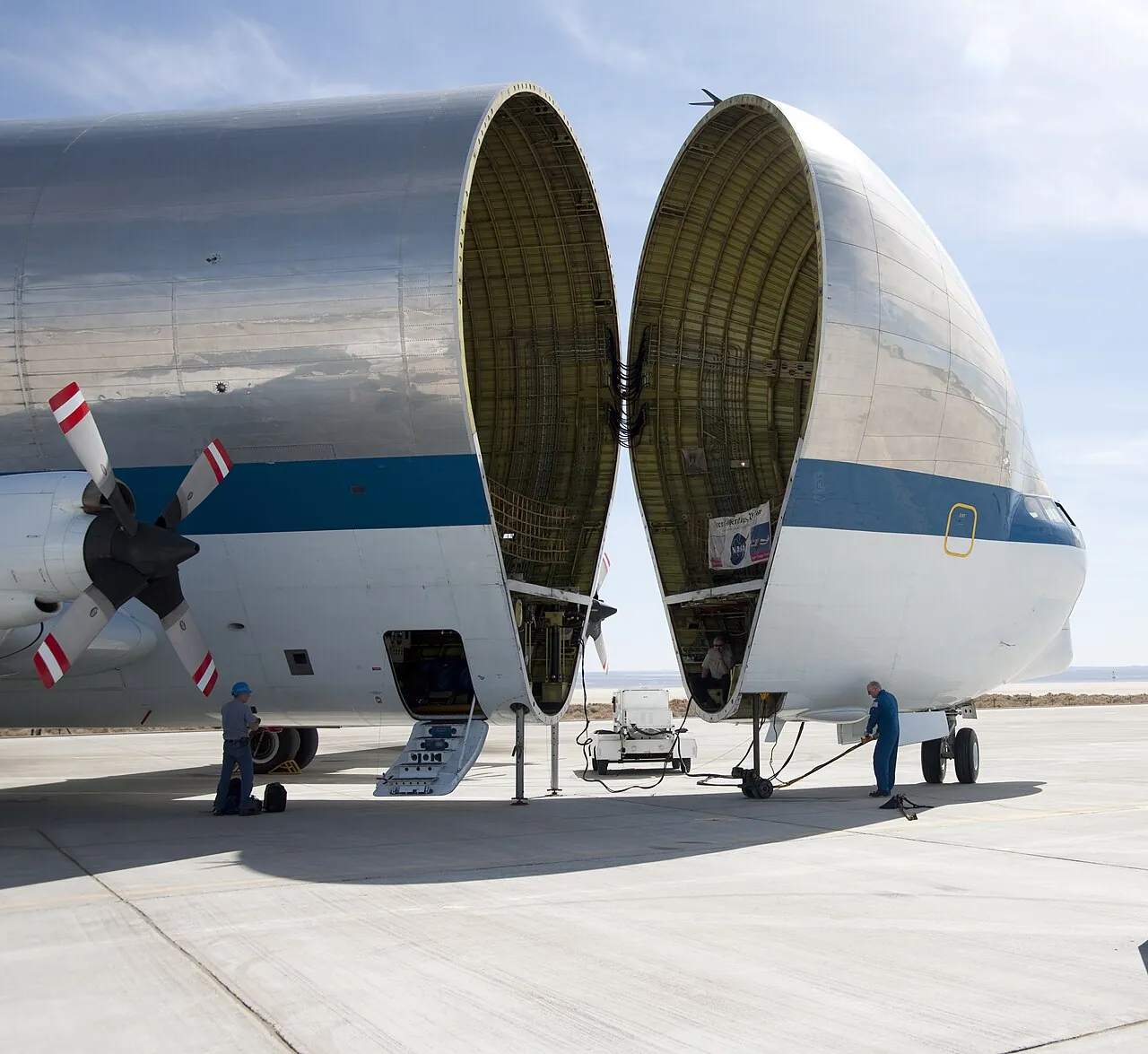
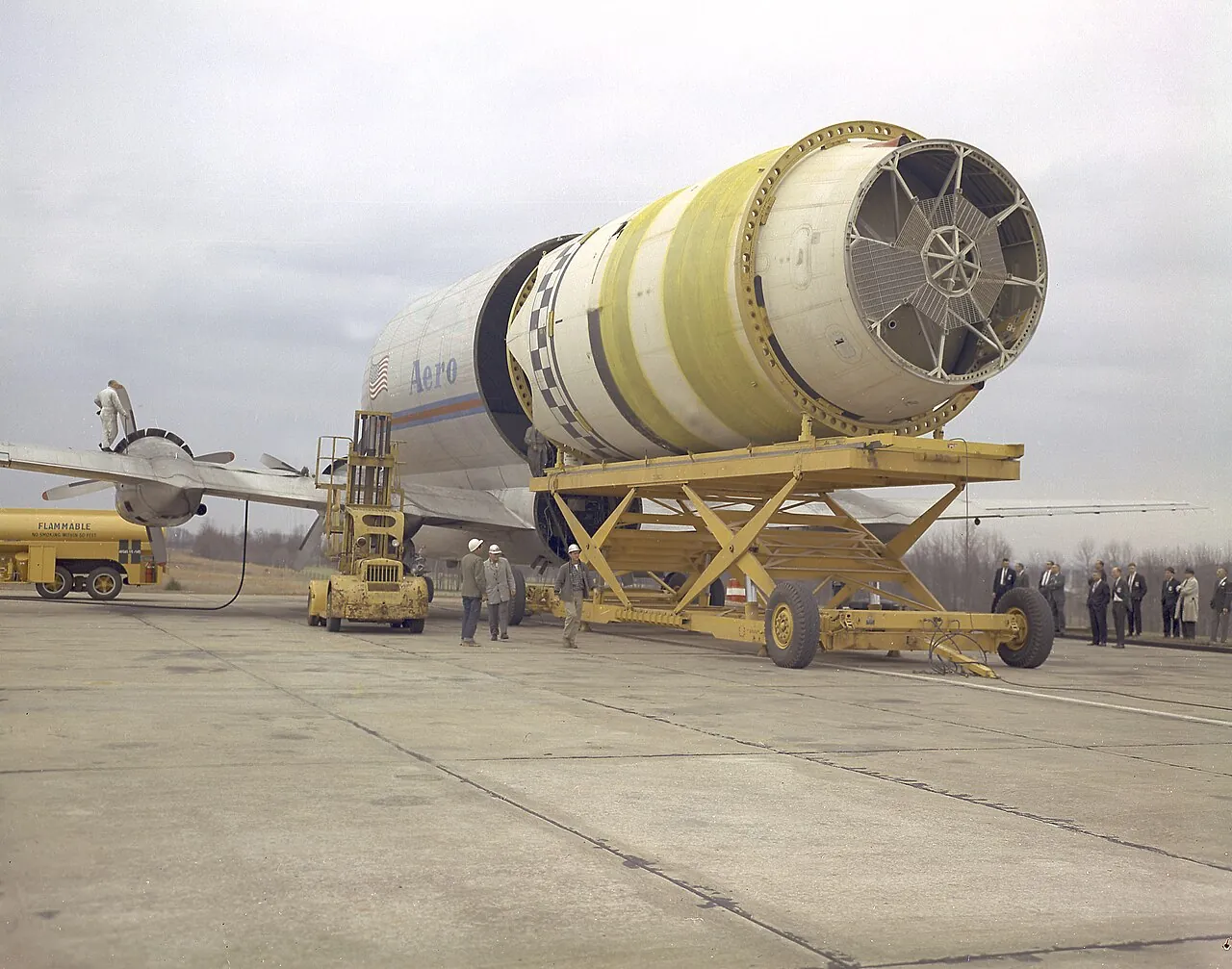
The Super Guppy’s entire nose swings open, and cargo rolls straight in on rails.
Why does the Super Guppy open at the nose instead of using a door on the side?
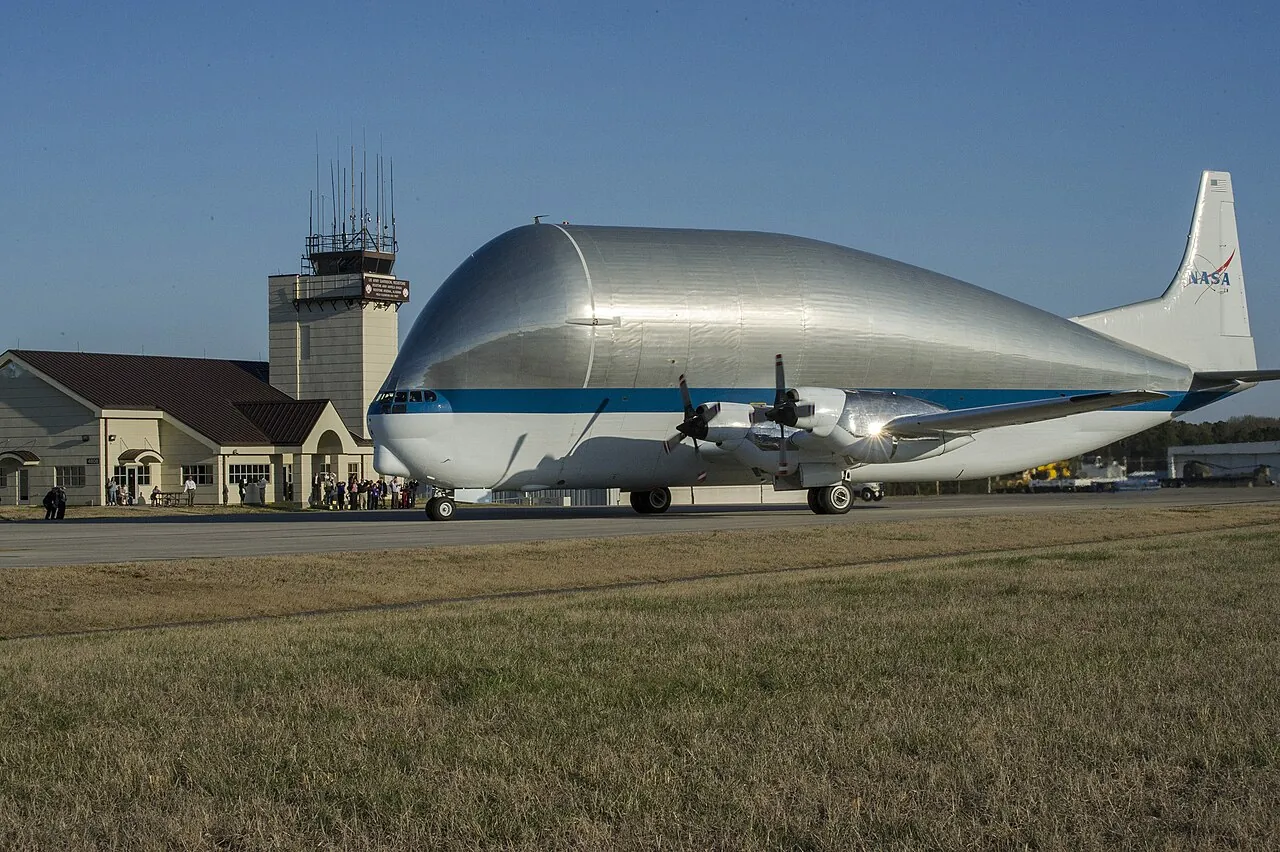
Some cargo planes carry heavier loads than the Super Guppy, but few have as much room inside.
Why would NASA pick the Super Guppy for a rocket part that’s huge but light?
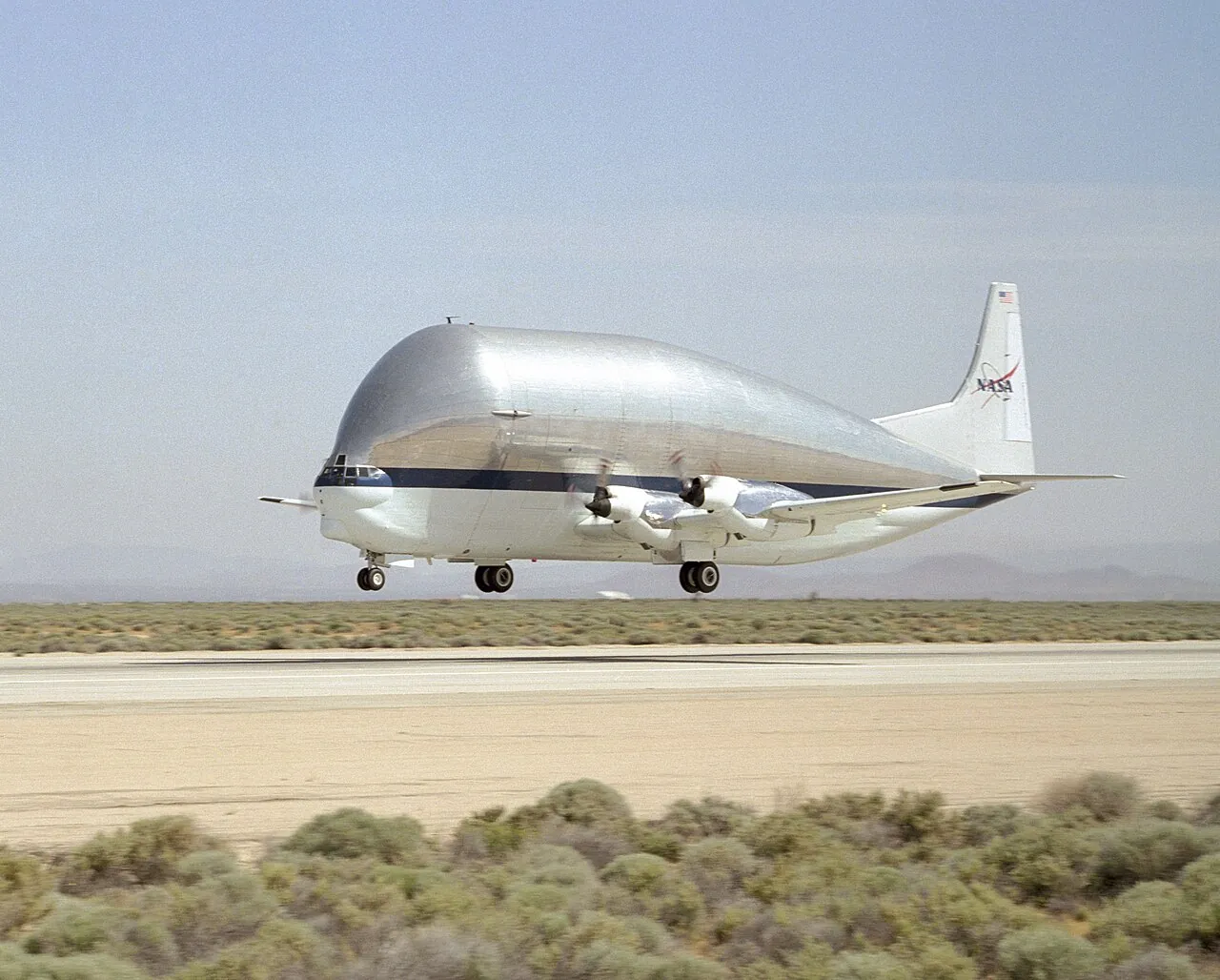
A fragile spacecraft part is 20 feet wide and has to travel 1,000 miles to Florida.
How would you move a fragile, 20-foot-wide part 1,000 miles?
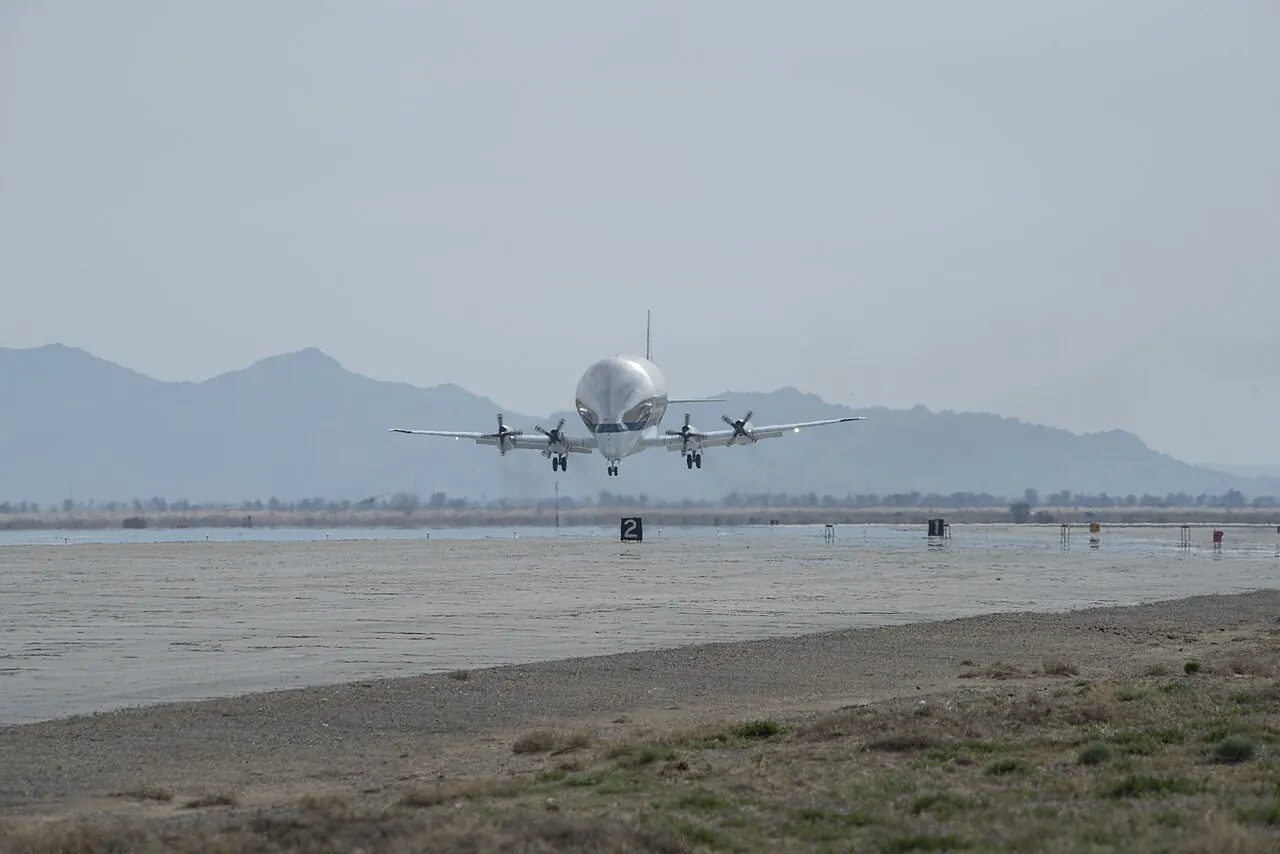
Lesson complete
Today’s word
aeronautics
air-uh-NAW-tiks
The science of flight. You’ve seen this word before, hiding in the A of NASA, the National Aeronautics and Space Administration.
Look at these again
You got every question right the first time.
Sources
- NASA Johnson Space Center Aircraft Operations Division, approved by division chief Raymond G. Heineman, Super Guppy Transport User’s Guide, AOD 33973 Rev C, May 2023
- NASA Johnson Space Center Aircraft Operations Division, Super Guppy Oversize Cargo Transport, NASA web page
- John A. Bakalyar, NASA Johnson Space Center, NASA Technical Reports Server, 2018 presentation
- NASA, NASA, 2016 and Orion Fun Facts
- NASA, SLS Orion stage adapter and media advisory, 2018
- Corinne Edmiston, NASA Marshall Space Flight Center, NASA, 2022
- NASA, SLS core stage, NASA reference page
- NASA, NASA’s Pegasus Barge, NASA web page
- NASA, NASA, 2019 and the flight back, 2020
- NASA, Solid rocket booster fact sheet and NASA, 2020
- Federal Highway Administration, U.S. Department of Transportation, Questions and Answers About Vehicle Size and Weight
- More NASA articles on Super Guppy deliveries: Orion pressure vessel, 2016, composite test structure to Langley, 2014 and Orion transport fixture fit check, 2019
- For classes that want the physics of flight, NASA Glenn Research Center’s Four Forces on an Airplane
- ABET, Criteria for Accrediting Engineering Programs, 2026-2027, Criterion 3
- Word origins from Dictionary.com: aeronautics, aero-, nautical, -ics, astronaut, Argonaut, aerobic, aerosol, nautical mile, aerophone, nausea, cosmonaut, fuselage, turboprop
- Instagram original, posted March 2, 2026, not linked because Instagram needs a login