The Tumor That Grows Teeth, College
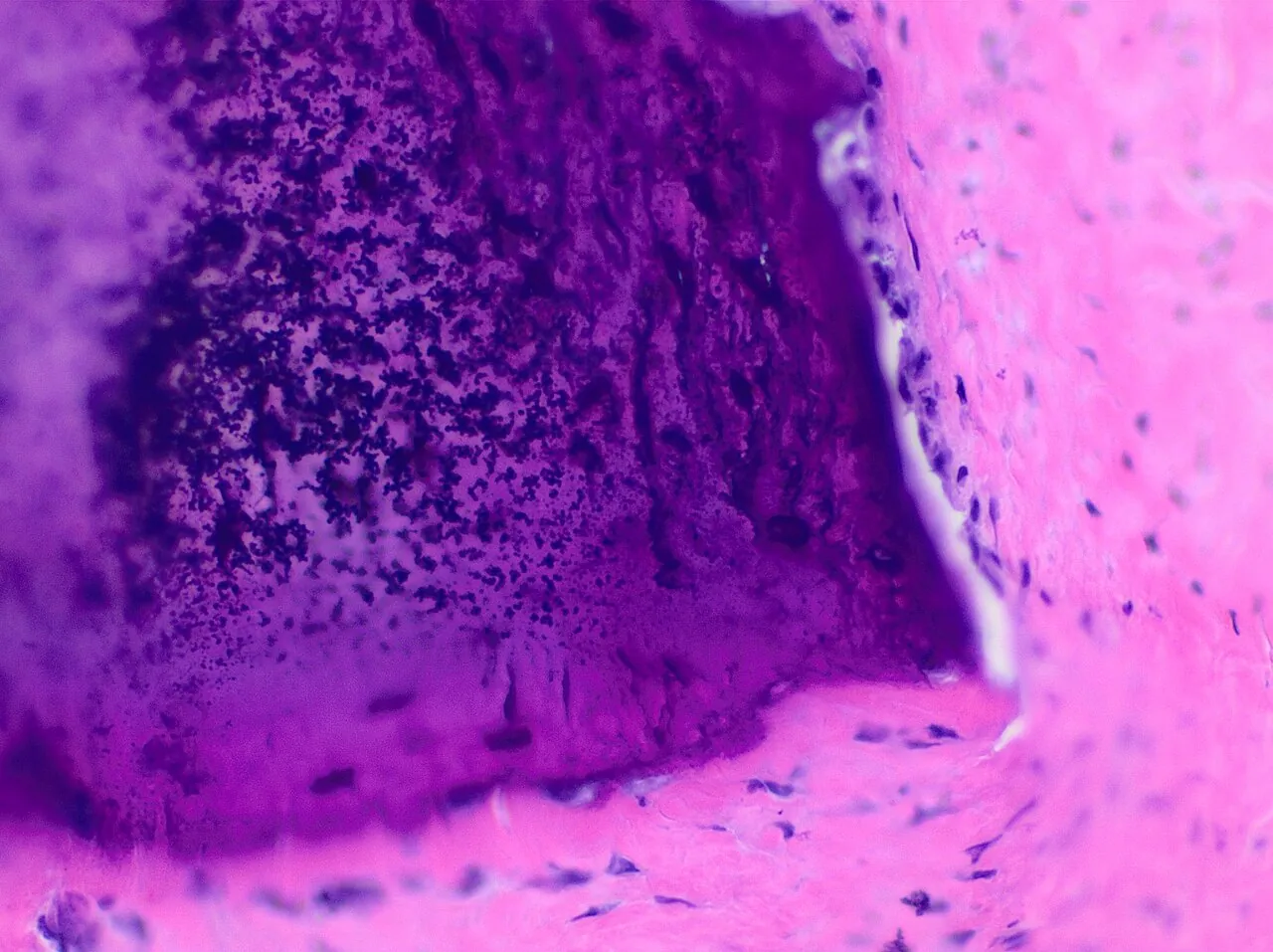
Your word of the day is
ter-uh-TOH-muh
A tumor made up of different types of tissue. A dermoid cyst is a teratoma, and doctors also call it a mature cystic teratoma.
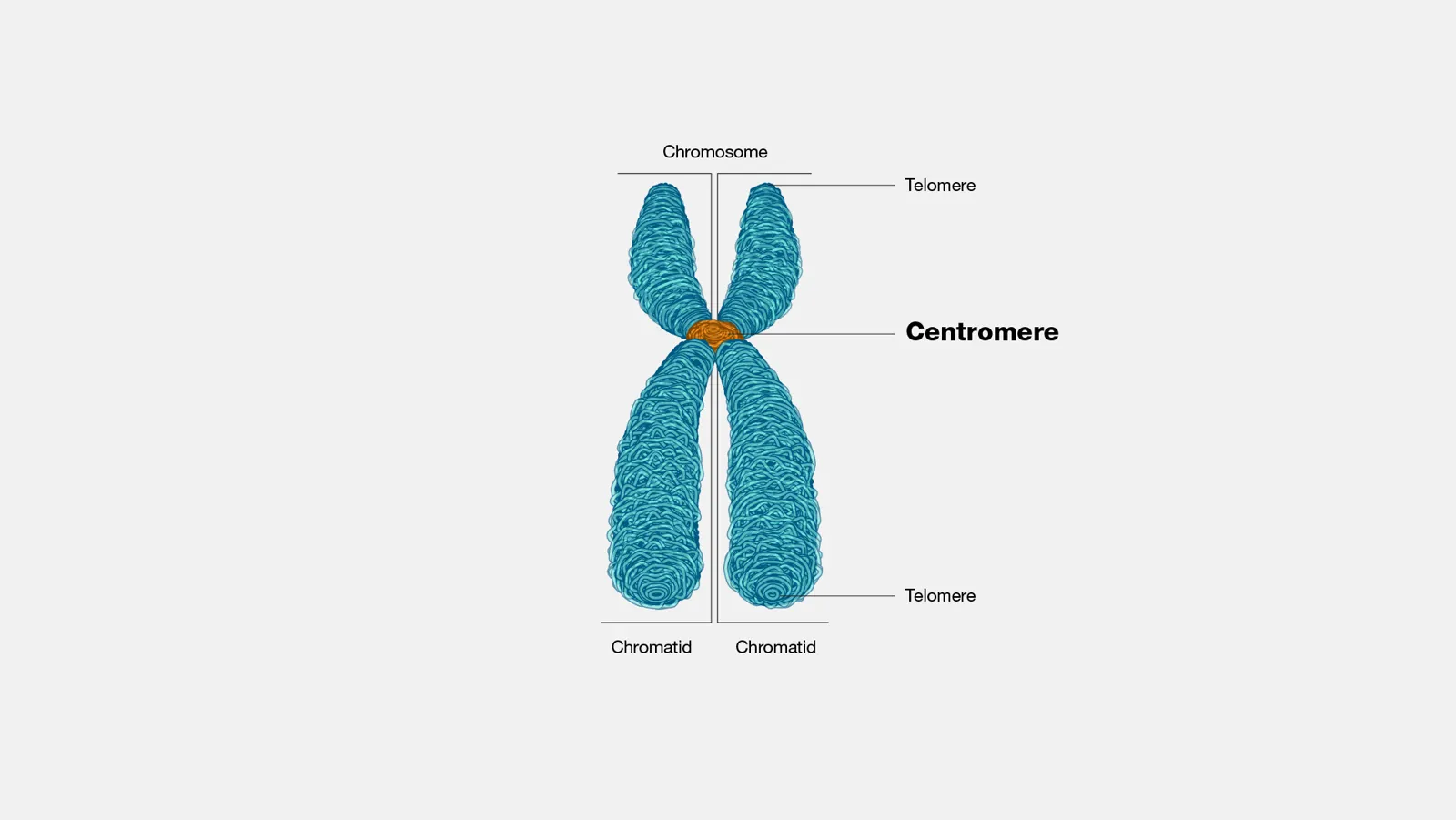
In 1990, Urvashi Surti’s team compared chromosome markers near the centromere in dermoid cysts with the same markers in each patient’s healthy tissue. They counted only markers where the patient carried a heterozygous pair. A cyst grown from an ordinary body cell by mitosis would keep that pair heterozygous.
Make a guess before you read the paper. What percent of these dermoid cysts do you think carried a homozygous pair at those markers? Give your reason in one sentence.
Hint
In the video, Raven says a dermoid cyst starts from an egg that begins dividing on its own. Think about what meiosis does to each chromosome pair.
Read the paper
Surti, Hoffner, Chakravarti and Ferrell, “Genetics and biology of human ovarian teratomas. I. Cytogenetic analysis and mechanism of origin,” American Journal of Human Genetics, 1990. The paper is free to read as scanned pages.
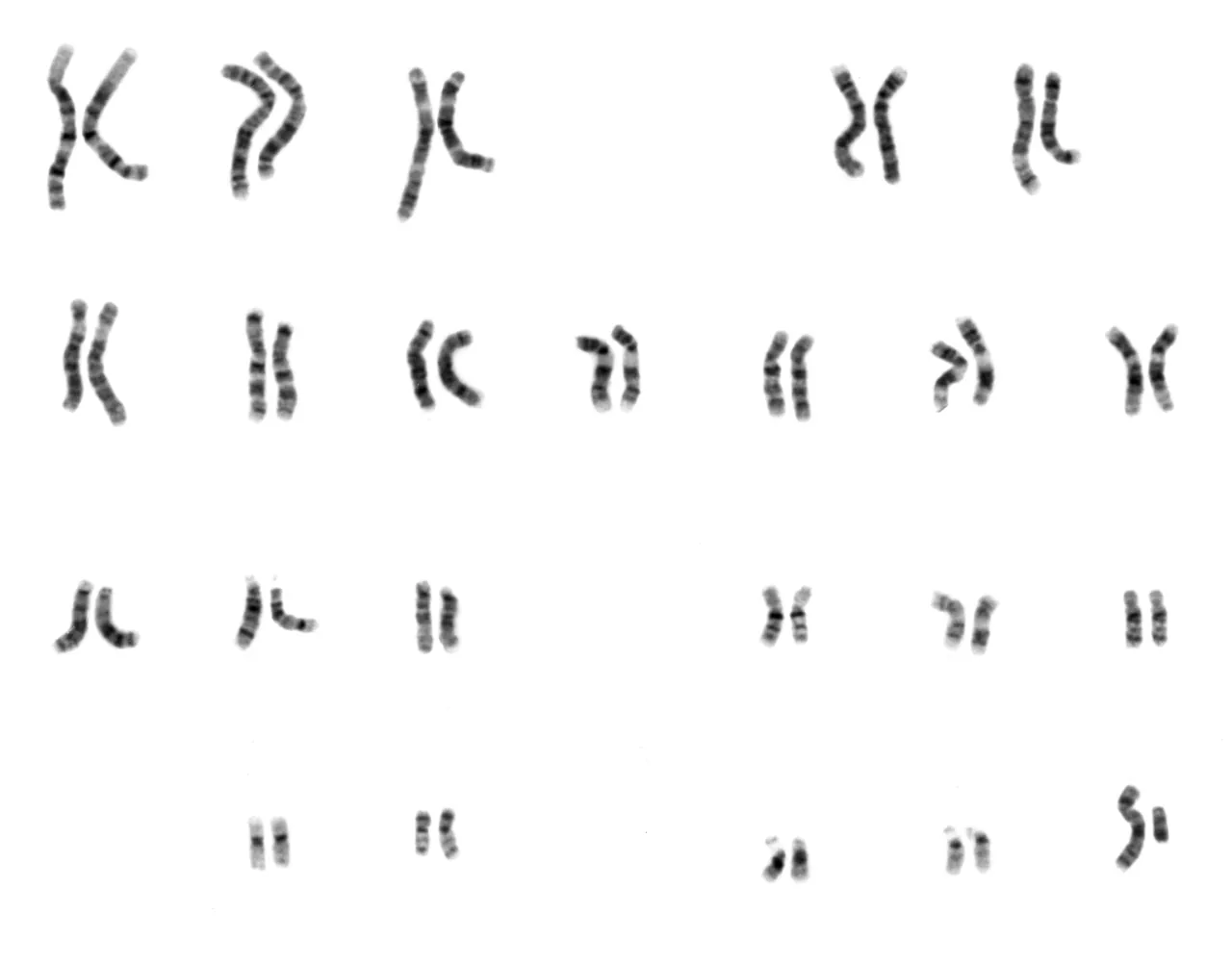
The team studied 102 mature ovarian teratomas, the tumors also called dermoid cysts, from patients at Magee-Womens Hospital in Pittsburgh. Of the 102, 95 had a 46,XX karyotype. For each cyst, the team scored chromosome heteromorphisms, visible differences in size and staining near the centromeres, in the cyst and in the patient’s own normal tissue. A marker is informative when the patient’s two copies differ, and 13 cysts had no informative marker. The table gives the counts from the paper’s Results.
| Centromere markers in the cyst | Number of cysts | Percent of informative cysts |
|---|---|---|
| Homozygous where the patient is heterozygous | 58 | |
| Heterozygous, like the patient | 31 | |
| Total informative cysts | 89 | 100% |
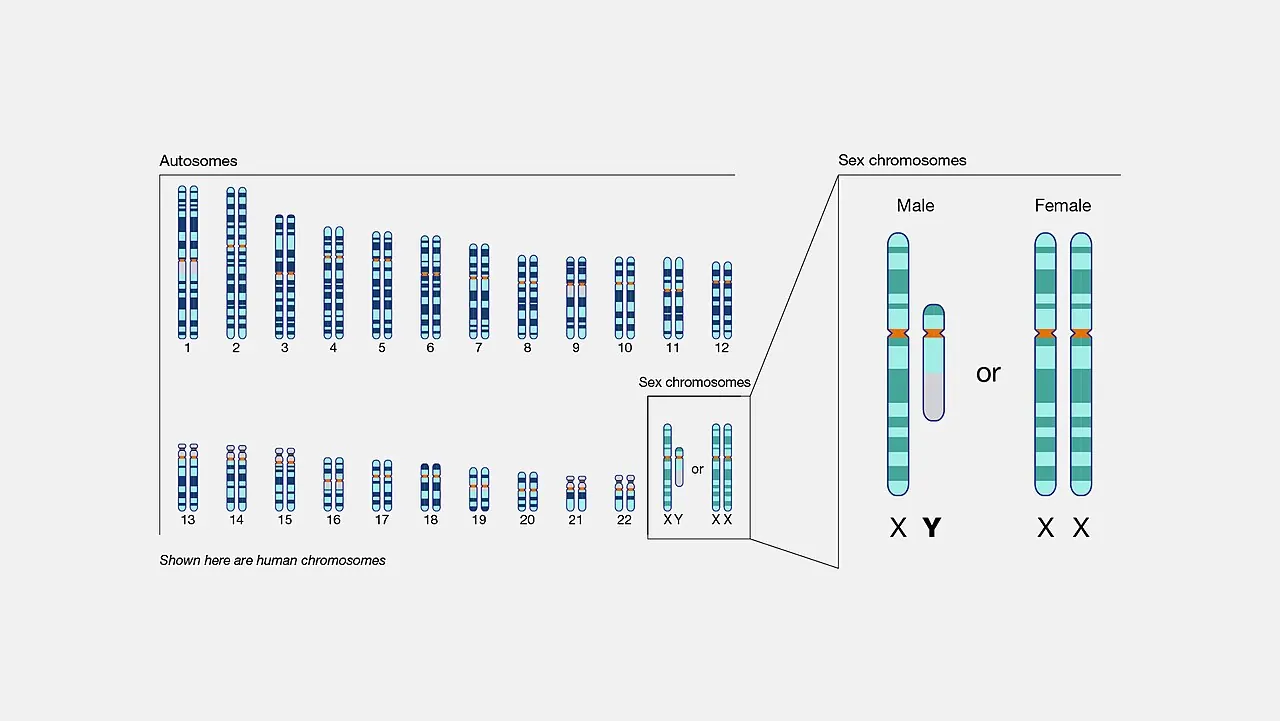
In Surti’s 1990 study, 58 of 89 informative dermoid cysts were homozygous at the centromere markers.
In Surti’s study, ____ of informative dermoid cysts were homozygous at the centromere markers.
See the table
| Centromere markers in the cyst | Number of cysts | Percent of informative cysts |
|---|---|---|
| Homozygous where the patient is heterozygous | 58 | |
| Heterozygous, like the patient | 31 | |
| Total informative cysts | 89 | 100% |
Why does the homozygous percent in Surti’s study use 89 informative cysts instead of all 102?
See the table
| Centromere markers in the cyst | Number of cysts | Percent of informative cysts |
|---|---|---|
| Homozygous where the patient is heterozygous | 58 | |
| Heterozygous, like the patient | 31 | |
| Total informative cysts | 89 | 100% |
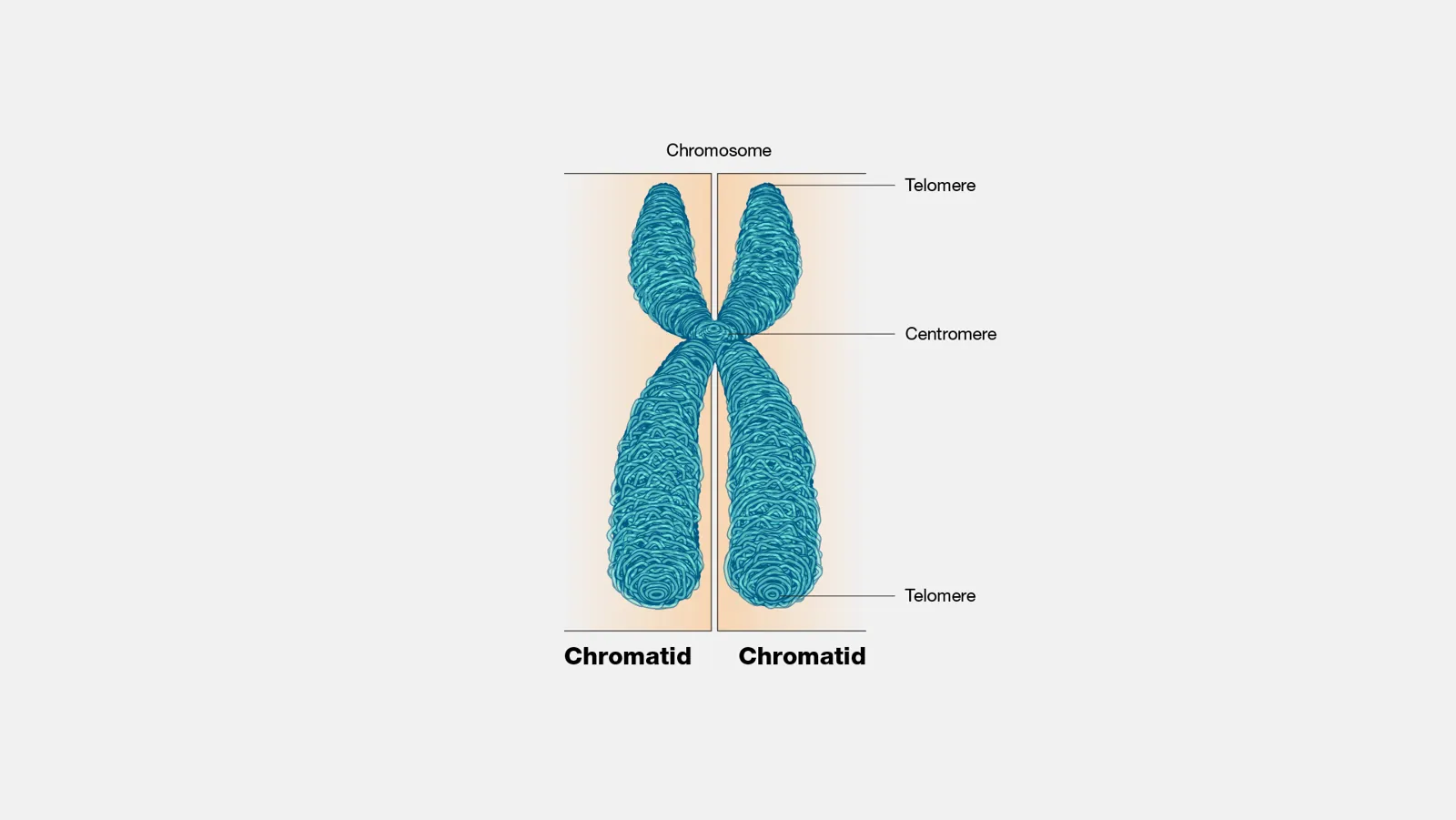
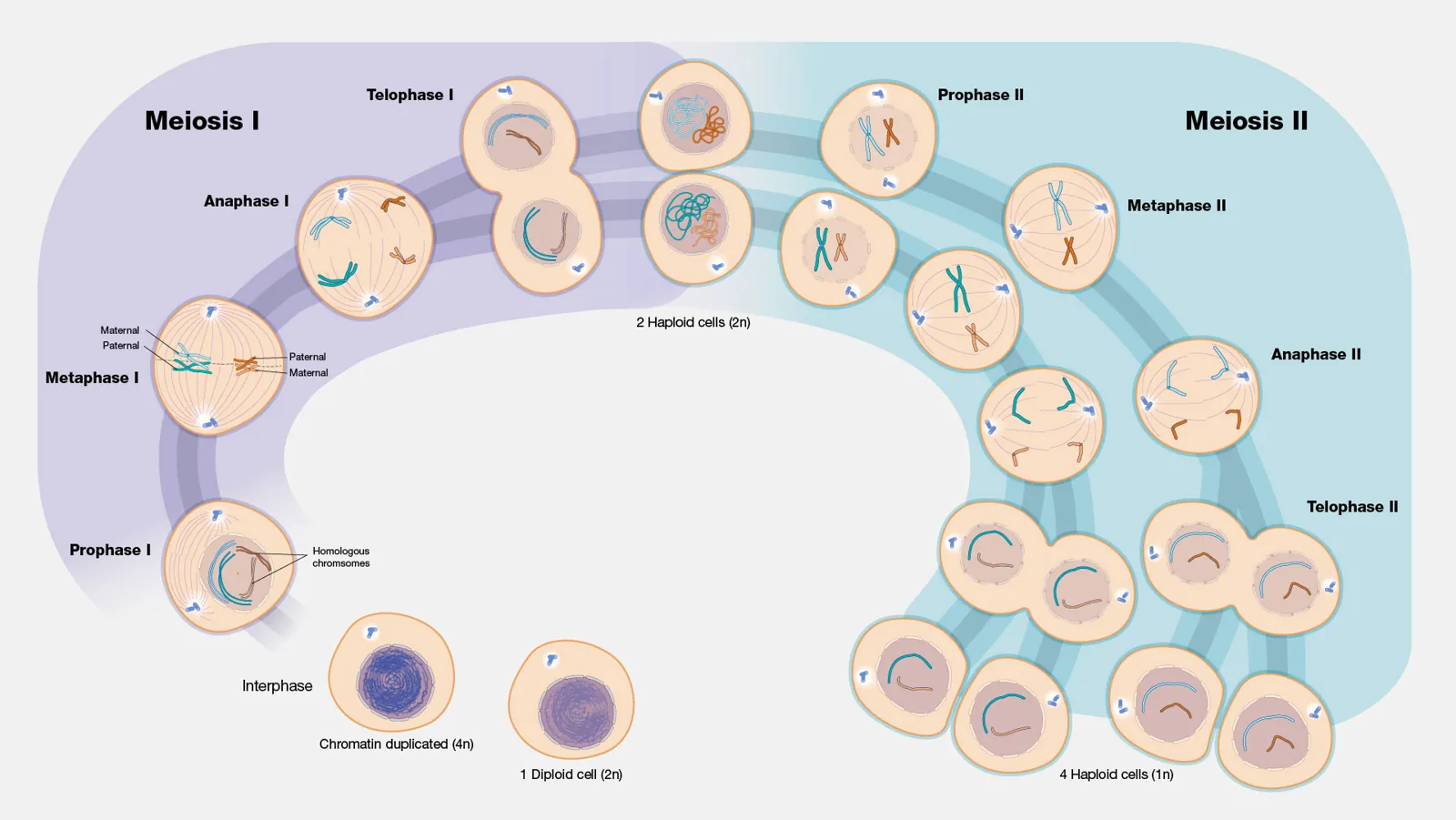
Mitosis keeps both chromosomes of each pair, and meiosis I separates them.
What does a dermoid cyst that is homozygous where the patient is heterozygous tell you about its starting cell?
See the table
| Centromere markers in the cyst | Number of cysts | Percent of informative cysts |
|---|---|---|
| Homozygous where the patient is heterozygous | 58 | |
| Heterozygous, like the patient | 31 | |
| Total informative cysts | 89 | 100% |
In Surti’s study, 31 of 89 informative dermoid cysts stayed heterozygous at the centromere, like the patient.
What can centromere markers alone tell you about the 31 heterozygous dermoid cysts?
See the table
| Centromere markers in the cyst | Number of cysts | Percent of informative cysts |
|---|---|---|
| Homozygous where the patient is heterozygous | 58 | |
| Heterozygous, like the patient | 31 | |
| Total informative cysts | 89 | 100% |
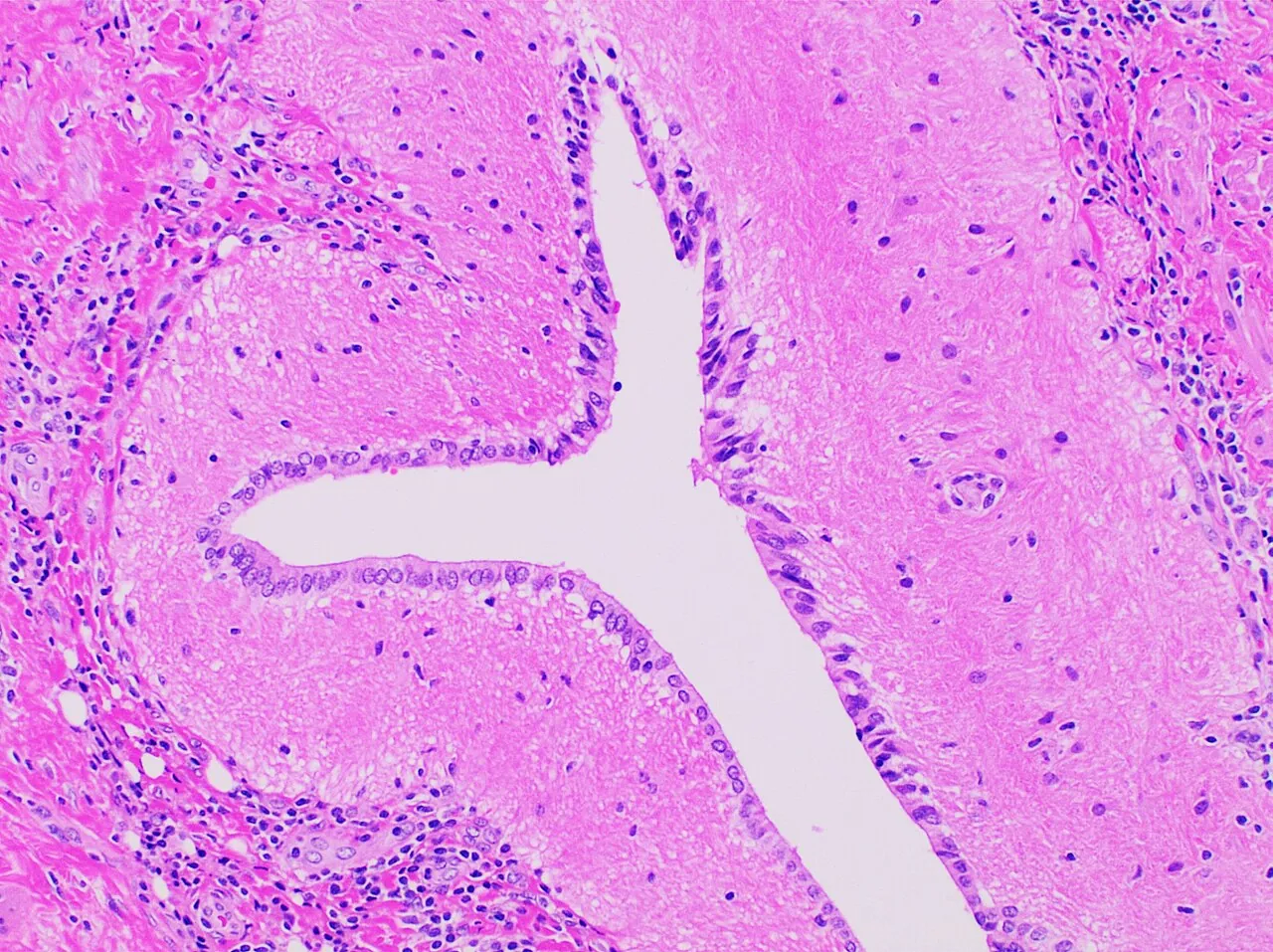
Surti’s team describes ovarian teratomas as germ cells that differentiate without a father’s genome.
Why does differentiation without a father’s genome make tissues but not an organized embryo?
See the table
| Centromere markers in the cyst | Number of cysts | Percent of informative cysts |
|---|---|---|
| Homozygous where the patient is heterozygous | 58 | |
| Heterozygous, like the patient | 31 | |
| Total informative cysts | 89 | 100% |
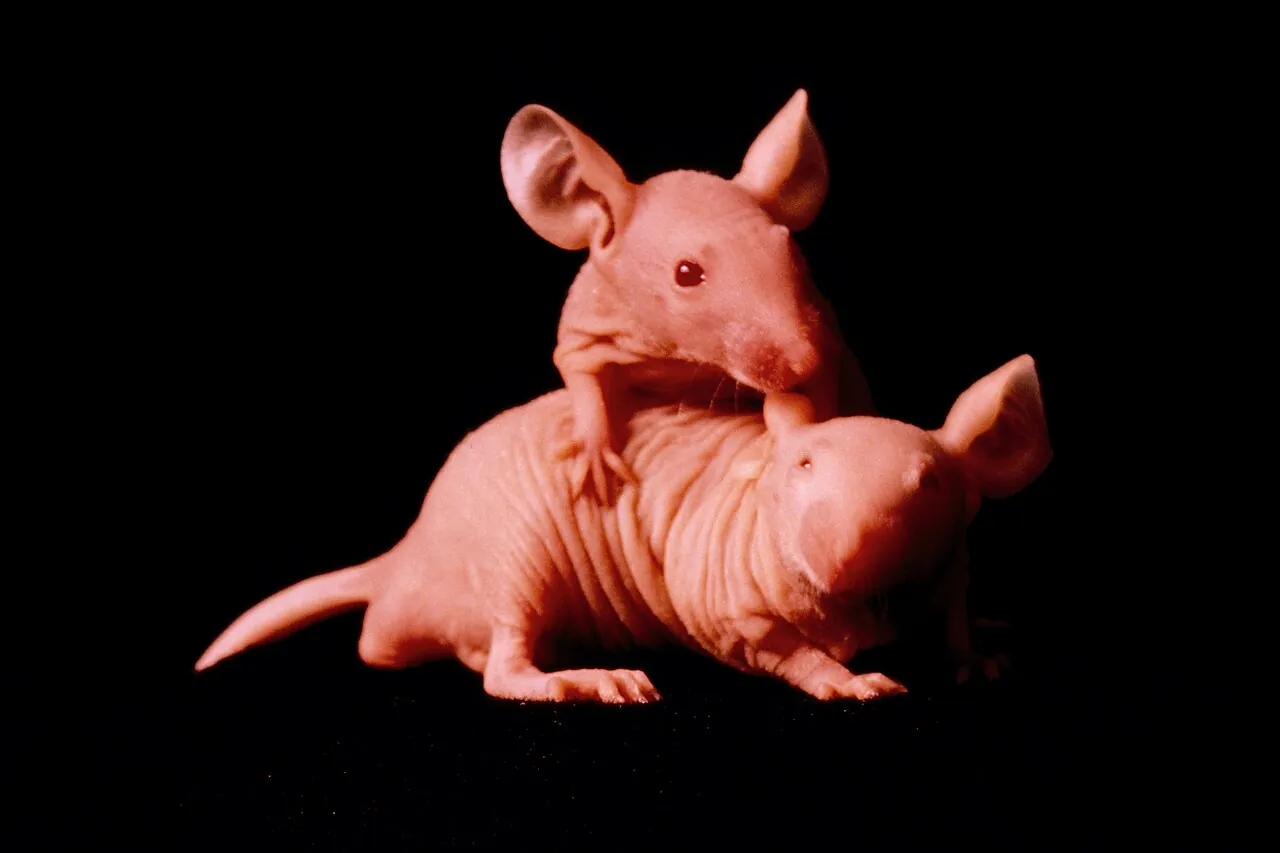
Kono’s team made Kaguya from two maternal genomes, one from an immature egg with an H19 deletion.
What does Kaguya add to the explanation for why teratomas make tissues but not an organized embryo?
See the table
| Centromere markers in the cyst | Number of cysts | Percent of informative cysts |
|---|---|---|
| Homozygous where the patient is heterozygous | 58 | |
| Heterozygous, like the patient | 31 | |
| Total informative cysts | 89 | 100% |
Surti’s team compared each cyst’s centromere markers with the same markers in the patient.
Which summary of Surti’s 1990 zygosity data backs Raven’s claim that a dermoid cyst starts from an egg cell?
Lesson complete
Today’s word
teratoma
ter-uh-TOH-muh
A tumor made up of different types of tissue. A dermoid cyst is a mature cystic teratoma.
Look at these again
You got every question right the first time.
Sources
- Urvashi Surti, Lori Hoffner, Aravinda Chakravarti and Robert Ferrell, Magee-Womens Hospital and the University of Pittsburgh, American Journal of Human Genetics, 1990
- Ruchi Rathore, Sonal Sharma and Deepshikha Arora, University College of Medical Sciences, New Delhi, Journal of Clinical and Diagnostic Research, 2017
- Luping Cong, David Yiu Leung Chan and colleagues, The Chinese University of Hong Kong, International Journal of Molecular Sciences, 2023
- Tomohiro Kono and colleagues, Tokyo University of Agriculture, Nature, 2004
- D. P. Barlow and M. S. Bartolomei, Cold Spring Harbor Perspectives in Biology, 2014
- Warren Booth and colleagues, Biology Letters, 2023
- Vision and Change core concepts and competencies, as summarized in Brownell and others, CBE Life Sciences Education, 2014
- Word origins from Dictionary.com: teratoma, terato-, -oma, carcinoma, dermoid, derm-, -oid, tera-, teratogen, metalloid, asteroid, homozygous, heterozygous
- “Swelling” for -oma and the 1600s history of ovarian teratomas from the Surti paper’s discussion
- Spanish spelling from Wiktionary and French spelling from Wiktionnaire